Advice – Page 5 – Global Man

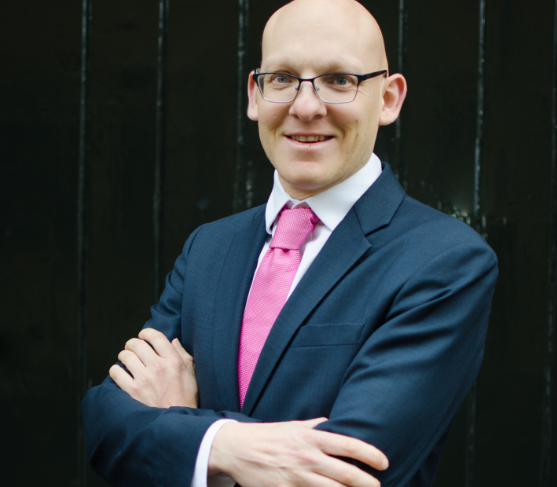
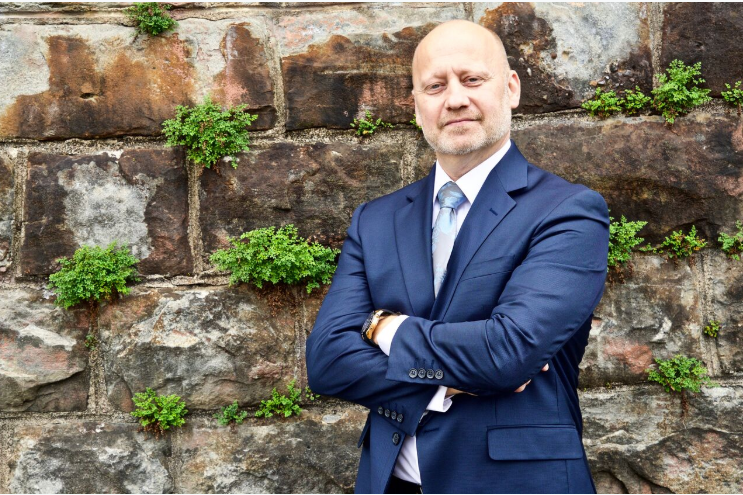
Anders Eklund– In the noble business creating successful leaders

By Fati Gorezi

Anders Eklund is the co-founder and Managing Director of “Geneswiss Consultancy”, an international Coaching and Consulting firm headquartered in Zurich Switzerland. They develop, improve and empower organisations by using their own S.P.E.A.K.™ methodology (Systems, Purpose, Excellence, Analysis, Knowledge).

What started as a burning interest to anything engineered, made Anders a successful leader, whose purpose today is to improve the world through excellent leaders. As team leader, Anders was recognied as very trustworthy and target-oriented with the ability to co-operate smoothly with people from different cultures. His great leadership qualities include strong team building and change management skills. Tools, which he has used to build up his wide and global network for optimising and delivering results.

Can you tell us more about your entrepreneurial journey?
My entrepreneurial journey started in my childhood. In the village where I grew up, my late father was a shop owner and it was the only grocery store in the area. I can vaguely remember when I was with him in the shop, how he was jotting down prices on paper and counting the final sum together for the client. By the time he passed away the store was closed. I was then seven years old – a lively first-grader. As the youngest, still living at home, I had to step up the game and help my mother with everything around the house. The following years taught me responsibility and gratitude. Early on, I was the ‘man in the house’. If I wanted something, I had to work for it. Today I can appreciate this; it drove me into many entrepreneurial endeavours very naturally and sculpted me into an action-taker.
In my teenage years, I had a very clear vision about one day becoming a schooled, mechanical engineer. By that time, I had already taken apart and assembled probably every machine and engine in the house. Even our old ‘Telefunken’ television and other apparatus were often spread out on the floor for “improvements”. It was simply my “thing” – a talent of mine. A decade later I finally had my university diploma of ‘Mechanical Engineering’ in my pocket, which yielded me a 25 year-long successful and rewarding global career in the corporate world.
One could say that two years ago my circle had become full. I had returned to my entrepreneurial early roots and was finally ready to start my own Company – ‘Geneswiss Consultancy’. I love Coaching people around the world to become successful leaders. It is very rewarding.

Did you always aspire to reach a leadership role in your career?
Early in my career, becoming a leader was not my target. My focus was on becoming a very good Design Engineer, to learn all the tricks and to be an ‘improver’. In early 1993 my career took a swift turn, when I was promoted to the position of ‘Design Manager’ for one of the most important projects, at that time, in a Finnish Company called ‘Wärtsilä’ – world leader in the Energy and Shipping sector. Looking back, I think I landed this, my first leader position, because of my impeccable engineering skills combined with good people skills, my integrity my willingness to learn more. In addition, I was also striving for good results and wanting to help others succeed.

What are the biggest challenges that you have faced in life?
We all face challenges in life. It is a part of living, “growing”, if you will. If I had to pick one big challenge, it would be the one when we moved from Finland to Switzerland in 2008. Our daughters were 8 and 12 years old. Coming from a Finnish school system and with no or very little English language knowledge, it really was a tough move for our girls. As I was working and often travelling, my wife spent long nights and all weekends helping them with English, homework and to simply adapt to the school requirements. We almost gave up and were seriously considering returning back to Finland after one year. Those were tough times for the whole family. But fortunately, we managed to push through and we are all very happy that we stayed on course. This episode in our lives gave me an indelible understanding of the challenges which expats meet. What their families go through, how everyone is affected, how challenging it is to create balance between work-related travelling and home-time. Without life-balance one can’t reach his/her highest potential. There simply has to be balance. We all are in the ‘people-business’.

What defines a great leader?
To describe a great leader, I want to quote Chris Hadfield, a Canadian astronaut who was the first Canadian to walk in space: “Ultimately, leadership is not about glorious crowning acts. It’s about keeping your team focused on a goal and motivated to do their best to achieve it, especially when the stakes are high, and the consequences really matter. It is about laying the groundwork for others’ success, and then standing back and letting them shine.”
In other words, great leadership is about serving others before oneself. This, one must whole- heartedly understand and live by. You see, it is like this: Great leaders act with others in mind. Great leaders give. Great leaders “live on” and leave a legacy. In my “Leadership 2 Success” Coaching programme, I focus on three core-elements which cover all the above traits and qualities: Purpose, Life-Values and Communication. Successful leadership always starts from within.

What is keeping people from living their best life?
This is one of the most important questions one can ask. There are so many on this Earth who are not living their fullest lives. I think that people are not listening to their inner voices and what their hearts are telling them – their true purpose in life. So many are stuck with what they somehow “landed on” mostly due to circumstances or pressure from the “outside world”. Whether it derives from parents, siblings, peers or friends. Even when people feel and know that a change is a must in their lives, in order to feel happier, in order to be fulfilled and enjoy life, they don’t make changes.

Why is this?
I am a trained Coach and I utilise the latest knowledge of neuro-science for helping in leadership, management and organisational transformation. Meeting with teams and people, I see from close up how difficult it is to change and how a great deal of effort needs to take place in order for it to happen. Normally, only when it is an evident “must”, a “forced” change takes place. Why wait so long? 95% of our time is guided by our earlier habits and behaviours and our learned attitudes. This means that change doesn’t come naturally to most people. We prefer to stay in our comfort zones. We ourselves are our worst limitations. That’s why it is so difficult for us humans to seek, find and embrace our best lives.

Why are you in business?
I am really glad that you asked this. As I see it, great leadership is a dying form of art. What do I mean? Today’s business environment doesn’t properly recognise the imminent fact that leadership skills must be learned, trained and most of all, practiced with dedication and with one’s fullest heart. Being a great leader is a ‘calling’, not a job. Great leaders inspire us all to be better humans and propel us to reach our highest potential. As the best versions of ourselves this world will be a better place to live for everyone.I am passionate about my programme, “Leadership 2 Success”. Not only business-wise but also personally. Through my own hard work and gained experience, I know that great leadership inevitably leads to success stories. That is why I love to share my experience and teach this important art to as many as I can around the world. I say to my students “Leadership is simple, but it is hard work”. Good leadership always starts from the man, or the woman, in the mirror. This is why I am in the noble business of creating great leaders.

What inspires you most?
I am very inspired by the fact that I can start and establish positive improvements in people’s lives. To see when the “light bulb” goes on and someone really gets, when I am explaining, what great leadership truly entails. Great leaders in business, and in life in general, inspire us to find our strengths and missions and help us to go through challenges. Witnessing this happen is great and it inspires me the most. During my long career, I have also had the great privilege to work with different kinds of people from all parts of the world. Together we have created many success stories, and leading such driven and multi-cultural teams consisting of the smartest people I know is awesome! What can I say!? Achieving outstanding results is my passion!

What are the secrets behind your success?
Can we even call them secrets? I am very privileged and lucky, too, to be where I am today. There are many people I have to thank for my success. First of all, my Mother. I can truly thank her for the words she always used to say to me: “If you lie, you will always fail. If you tell the truth, whatever the situation, you will succeed beyond belief”. Those words of hers have truly guided me throughout the years.
Another person who has greatly influenced me on my path to success is my wife Marja. Today she also is an entrepreneur (@ marjaK). She is a remarkable woman and she has always supported and believed in me – ever since I started my career as a young engineer. Even when I did not fully believe in myself, she always did. Without her unwavering help and insight, I would not be the leader I am today.
I also need to mention Berit. She is a Norwegian Leadership Coach. I will never forget that two-hour coaching session with her; it truly turned ‘my lights onto full beam’. Berit made me fully understand the importance and the amazing power of “Life-Work-Balance”. How it can create great leadership, and how the lack of it can ruin everything – everything! Looking back, it is a perfect example of the power of Coaching and how crucial it is to be coached by the right person at the right time.
People behind the concepts of “Behavioral Theories” claim that people can become leaders through the process of teaching, learning and observation. According to them leadership is a set of skills that can be learned by training, perception, practice and experience over time. Learning Leadership skills is a life-long project. I have never believed in the saying that “Leaders are born.” All leaders are made! Hence, it is crucial to surround yourself with the right kind of supportive people. People who genuinely and wholeheartedly want to help you grow and become a better person – a better leader.
However, that is not enough. One must also want to become a better person by their own will. There are way too many people in managerial positions who unfortunately will never reach a leadership level. Why is this? It is because they don’t like (even want!) to listen to other people’s advice and recommendations. Their ego just doesn’t allow it. They spend their days living in their own “bubble”: and it prevents them from exploring and reaching their truest and highest potential as leaders. Also as human beings, to be honest.
I have always worked hard to learn from my mistakes and I have always kept an eye on how good leaders behave and how they do things in order to make their teams successful beyond expectations. Such leaders are wonderful role models and offer valuable “coaching” sessions in real-life-situations – for free!
How can more women become successful and start their own businesses? Can you share some advice?
To me it seems that, one of the biggest challenges many women struggle with is to believe in their own strengths, skills and capacities. I am convinced that this has much to do with the past. We don’t need to go far back in time when it was men who went to work, and women were expected to run the homes. When in truth, running a home is an extremely great entrepreneurial achievement and a lot of hard work.
I think that women are really great leaders and very creative thinkers – fantastic problem solvers! We men are “one target at a time” people, but women are able to juggle many things at the same time, staying focused, handling a crisis and still staying calm until the desired results are achieved. As an entrepreneur and business leader these capacities are priceless.
If I am to share my advice, it would be that all women who want to start their own businesses should simply trust their instincts, their skill sets and “just do it”. At the same time, we men must support all the women out there! It is rewarding to help someone overcome their fears in order to become a business owner. The secret is: “togetherness”.

What do you love most about Speaking and Coaching?
It very inspiring to contribute to others to help them grow and achieve their goals in becoming better leaders and happy human beings. It makes me feel good. My purpose is to create great Leaders so that we can all strive and thrive. It is that simple.

Do you have projects that you are currently working on?
Yes, I have. Through my “Leadership 2 Success” Coaching program I meet and work with people from different occupations and circumstances. It doesn’t matter whether we are talking about a CEO, a VP or a start-up business owner or a “private” person, they all need a Coach. Mind you, even a Coach needs a Coach!
Currently I work with two senior leaders who want to make changes in their lives; not only in business, but also on a personal level. My Coaching is always holistic and tailor-made; be it 1 on -1- Coaching or team Coaching. Creating a sustainable and purposeful change always starts from the personal level. To be a successful Coach one must be “all-in”, to give his/her fullest heart and attention to the client. How else can one understand the other person, his/her situation and what is hindering him/her from achieving the desired changes? This is my niche; this is how I differentiate myself from big Coaching firms and their programs. And this approach of mine has gained me many wonderful testimonials; the very best feed-back and reward one can ask for. I am truly working in the right business! I love my work as I’m sure you can see!

Contact info:
[email protected]
leadership2success.com

Photo credits to “MarjaK.me / Marja Katajisto-Eklund’’
RJ Harper- Leadership and Living Your Best Life

RJ Harper- Leadership and Living Your Best Life

By Fati Gorezi

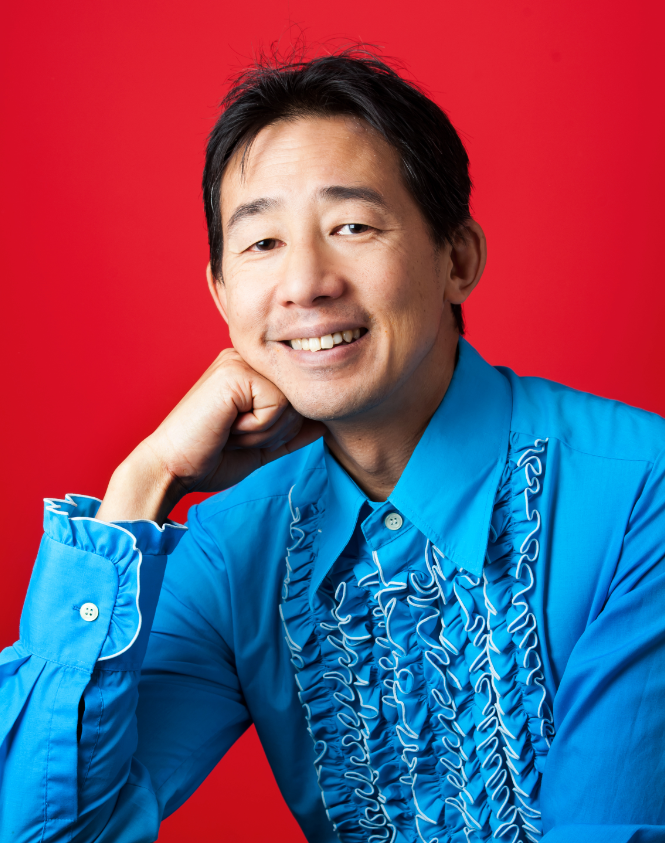
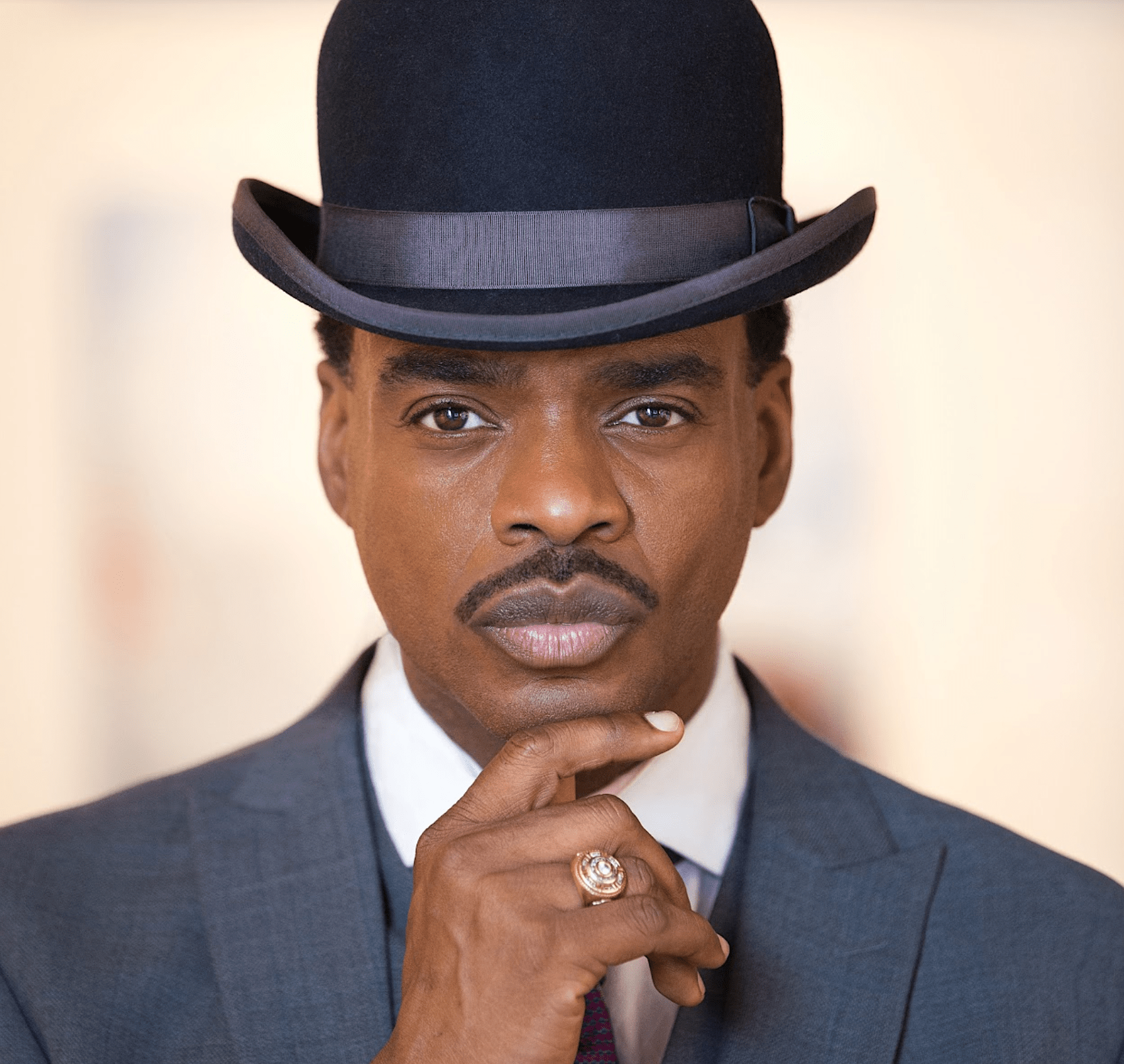
Robert Harper Jr, is a NYC- based award-winning filmmaker and producer from Germany. He is an alumni of Brown University, Digital Film Academy and Harvard Business School where he studied film, finance and international economics. He has also worked on Wall Street at Goldman Sachs in their prestigious investment banking division as an Associate and later developed and managed international banking conferences while with Euromoney, LLC in both NYC and Hong Kong. In 2007 he produced the film “Typecast,” an “Official Selection” at that year’s Cannes Film Festival. He is a passionate environmentalist and has appeared regularly on American television with MSNBC, NBC, VH1, MTV, TeIeMundo and Dateline NBC. I had the pleasure of speaking to him and asked him to tell us more about what drives him, the challenges he has faced, his future plans and more!

Tell us about your childhood, your parents, and what shaped you into who you are today
I was reared in Nuremberg, Germany, the Bavarian town famous for the Nazi tribunals of 1946. I have, since then, always had a keen sense of right and wrong. During my youth, I spent some quite idyllic summers romping around with friends and family in the Black Forest, France, Switzerland and other parts of eastern Europe. My nomadic family moved a lot but I still call places like California, Italy, Texas, Kentucky, Georgia, Oklahoma and Germany home. I also lived in Costa Smeralda, Italy for a time as well and after visiting more than thirty countries, I don’t think there is a more paradisical place on the planet than the scattered islands of the Mediterranean. The summer of my junior year in high school, I was a student at Columbia University Graduate School of Business in their LEAD Program. Living in NYC that summer changed my life and I have cherished living in the NYC area ever since. It’s great for children to experience the planet in their youth and those many live-abroad experiences still govern much of how I see the world today.

How would you describe your career as a filmmaker and producer?
I took the career road less travelled and wouldn’t change it for anything. My career has been a winding road, a path that no other professional has been down before. I’m proud of that fact on many levels. I’m very curious by nature and firmly believe our existence as humans is a life-long learning process. I worked on Wall Street as an Investment Banking Associate at Goldman Sachs for a time doing $300M municipal bond deals in cities across America. However, filmmaking was my real passion, so when I barely survived the World Trade Center bombing in 2001, I went back to film school in NYC at Digital Film Academy to brush up on my skills in editing and directing. I’m an alumni of Brown and Harvard University and Brown, in particular, has one of the best Semiotics departments on the planet. I’ve been spending time recently filming underwater as well. I just edited some great shark footage from the ‘National Association of Black Divers’ (NABS). A few years ago, a film I produced and directed won the “Audience Award” and “Best Musical Score” award as part of the NYC Film Race where more than 200 experienced film professionals compete to make a film in just 24 hours. That film contest is a gargantuan production and planning undertaking and I had thirty crew members working for me. It was great to win those filmmaker awards in NYC and many doors opened for me in the film business after that because I think I’m still such a Goldman Sachs-type workaholic.
Sometimes filmmakers make sense of things in their own lives through their work. Do you feel you do that?

On some levels, modern life in America doesn’t make a lot of sense but having a great sense of humour about it all often keeps me smiling. Passionate, filmmakers strive to tell unique stories, so our lives do show up in the work. I produced an award-winning comedy that screened at the Cannes Film Festival a few years ago and it centered around two Italian-Americans trying to make it big in Hollywood. The film was a combination of fiction and non-fiction but some of my own comical adventures in the entertainment industry was certainly thrown into the plot. I have a very funny (and random) story about me and Robert DeNiro drinking solo for an hour at the Supper Club that, looking back, became a life-changing interaction for me. DeNiro is the nicest Hollywood icon ever but during our conversation he made me realise that, in many ways, anyone is acccessible to me in the movie business. Eventually, I went on to work with acclaimed music video director, Hype Williams, NAS, MethodMan and Diddy on “Belly” and many other independent films as well. Senator Cory Booker also hired me to do a lot of very successful Democratic political Ad work in New Jersey and now there are several politicians in office who I’m proud to say, “I helped win their elections.”

Photo: Jon Stulich / Location: (Novado Gallery) / Stylist: Thorne Nugent / Designer: StevenLand.com
/ Hair: Felicia Verna – EllureZion

What has been the biggest challenge you faced and how did you tackle that challenge?
In 2011, a group of environmentalist friends and I sued multi-national, PPG Industries in federal court for dumping over one million tons of toxic chromium 6 waste in a largely Black community in America. Chromium 6, if you don’t know, causes lung cancer and the toxic waste had been there for more than thirty years. Critics said we were crazy and would never win in court because that multi-national firm makes about $14 billion dollars a year and Jersey state courts are very corrupt. I, however, kinda knew we could win because I understood the power of the media and social media and I felt like we were on the right side of justice as well. And Obama was in the White House. I made some shocking environmental Youtube films about chromium that got the national press interested and five years later, one of America’s top polluters, settled that federal case in record time to the tune of $600M. That chromium 6 case was really the Erin Brocovich story on steroids.

How important is having the right motivation to be successful?
Passionate motivation is critical for success! Cutting corners never really works out too well. You just have to always want to outdo the competition. Be smarter, be more curious, be more strategic and most importantly, do your homework better than everyone else. I’m confident I learned that formula in high school and from my parents because I graduated third in my class. Adult life really begins in high school and many adults wake up to that fact too late in life. I have worked alongside some of America’s top billionaires including Alex Rovt, David Tepper, Michael Bloomberg and Bill Rudin. I’ve learned those industry titans are principally motiviated by the work they are passionate about. Bloomberg will go down in history as one of the best mayors of NYC and he was earning a $1 a year from that job. His passion was fixing the fixable things in New York City while in office and you can only do a job like that for so long with the right motivation.

Who have been your greatest influences in life and why?
God, Sade and time! British/Nigerian singer Sade had been my wife in way too many dreams of mine (lol). My parents and grandparents have also certainly influenced me most intimately but my personal heroes are an eclectic group of global icons of history like: Shaka Zulu, Huey Newton, Queen Amanirenas, diver Carl Brashear, Thomas Sankara, Piye (Nubian King of Kush), Hannibal (the Godfather of Strategy), Steven Biko and boxer, Muhammed Ali. They were all pretty unapologetic and proven leaders with a vision. They were true BOSSES!! And that’s a rare commodity today. And as for film influences, my favorite films are “Cinema Paradisio” and “The Red Balloon.” My former girlfriends have accused me of being a mushy, film romantic sometimes. I’m also a big fan of the legacy of films by Jean-Luc Goddard, Helmut Lang and Akira Kurosawa. I’ve come to realise that my tastes in film tend to be a curious mix of film genres. I gotta say that director, NYU professor and Hollywood activist: Spike Lee also impacted a large part of my early inspiration.

The world is being shaken up with some momentous changes coming. How do you see the future, the role of women, and is it bright?
I’m a realist. Thanks to the internet, world communities are waking up and organising revolutions and I think some of this global turmoil presents an incredible opportunity for visionary female leadership to emerge and there is now, more than ever, room for broader diversity in our global, state and local institutions. Women wield incredible power on this planet. Some of that power is still untapped though and I’m not completely sure why. I’m excited to see more women working together and prospering. I am very inspired by the incredible life story of Global Man founder, Mirela Sula. She is such a big personality and business trailblazer for women around the world. It’s so refreshing to see leaders like her that fully understand that diversity matters. I look at women like Meghan Markle, the new Queen of America, and have high hopes that women’s growing influence will continue to shape a better, more peaceful and sustainable planet. I really like that t-shirt that says “The Future is Female” because global power surely can’t be “all-male” forever if we as a species intend to stick around.


Photo:Jose Pagan (Hunks4Hope.com)/ Location (NYC)/ Stylist:Lila Green

Can you tell us a little about your out-of-work life and your personal interests?
I’m a proud PADI-certified scuba diver and a board member of the ‘National Association of Black Scuba Divers’ (NABS.org). I hope that global marine conservation is part of my legacy but equally as important, I hope more Americans learn to swim and/or teach their children to swim. Statistics show that about “65% of Americans can’t swim the length of an Olympic pool.” My fantasy is to make basic swimming a requisite for high school graduation – starting with Americans. “Nine people die each day from drowning in this country and six of those nine people are minorities.” These alarming statistics have to change! It’s July, summertime, so let’s teach our youth to swim. Save a life! Promoting scuba diving all over social media to my 60K followers and beyond is my way of nudging people softly to “be cool” and learn to swim because you can’t get to certified scuba diver status without knowing how to swim.

What is your experience of working with women? And what is your opinion about their talents and skills?
I have some incredible and talented sisters whom I love very deeply. Throughout my career I have worked closely with women and I have high hopes that the brilliant global women leading the charge for equality in the workplace will continue to prevail. As an African-American male, I understand the role that discrimination plays in the workforce against women. Businesses need to be held more accountable in our court systems for the on-going global wage discrimination that is a sad fact of life for too many women. However, women need to continue to band together and support each other on all levels of the corporate, political and financial landscape in order to make meaningful and lasting changes. A tremendous opportunity was potentially lost for all women when Trump won the presidency but the tide is turning on many fronts for women internationally and the #MeToo Movement has driven a necessary stake in ground that frankly says, “Enough is enough!”

Can you tell us more about “MEN AGAINST DOMESTIC VIOLENCE”?
I was selected by activist, Lila Green to be Mr. October 2018 for the annual ‘Hunks4Hope’ calendar (www.Hunks4Hope.com). The calendar’s mission is to raise awareness and critical funds for persons (both women and men) affected by domestic violence. I’m honoured to be among such a committed group of sexy male model “Hunks” who stand as advocates and spokesmodels against domestic violence. The calendar has been a great way for many of us men to finally talk openly about our personal views when it comes to domestic violence. My journey with this very successful annual calendar has been educational and very inspiring. There are so many complicated layers to the constant struggle of trying to address these kinds of traumatic relationships that I have found myself being called in the middle of the night numerous times this year because someone heard about the calendar and had a friend that needed to be rescued. I certainly don’t have all the answers yet but its been been great working with a network of organisations that support our mission. Abusers themselves often require an intervention themselves. Too many men grow up watching loved ones get abused and think that is tolerable behaviour. At the end of the day, domestic violence is really an issue of trauma…and it affects both sexes. I have learned a lot in the last year and actively engaging men in this controversial conversation is frankly critical. Men do have views on domestic violence and it’s important to explore those experiences as well. For far too long, men have been seen as the potential enemy when it comes domestic violence but ‘Hunks4Hope’ is actively challenging that notion in a big and very refreshing way. The “Hunks” have supported all of the annual galas celebrating domestic violence survivors and when we show up, all the ladies in the room invariably want their calendars personally signed. I gladly sign but I always give a kiss too. The 2018 calendar I’m in has been ‘Hunks4Hope’s’ best-selling year and I’m happy to have been given the opportunity to represent the growing community of males standing up against domestic violence and sexual harrassment in any form.

THE TOP BUSINESS AND PR TRENDS FOR 2018

THE TOP BUSINESS AND PR TRENDS FOR 2018

By Kicki Pallin

What do you need to know as a business owner, to continue expanding in 2018? What pitfalls should you avoid, and which kind of knowledge is essential when growing your business?

We have asked four business owners in Sweden, Germany, Denmark and Poland about the future in business and PR. By knowing this you will be more prepared to meet the challenges and opportunities that lie ahead, when this year moves into its second half.

As an introduction to their predictions, we’ll give you some facts about these four business specialists, who are more than happy to share some of their entrepreneurial wisdom.

The Swedish entrepreneur Robert Dragovic from Gothenburg says that, to do business and build values is the best thing he knows. He is not specialised in one single business, instead he walks in where he sees possibilities. He is the founder and owner of KappaBar, a chain of eSport restaurants.

Oliver Meier is an entrepreneur in Frankfurt, Germany, who after 20 years in sales and training and coaching some of the top sales people in the world, created a new business method. It shows how to get new customers, grow existing clients – and keep them forever.

Victor Fasahati is a business owner from Copenhagen, Denmark, who has bought and sold products, clothes or anything that could turn into some kind of profit, since he was 11 years old. As he couldn’t find any good accountants or advisors, he turned himself into one, and now runs Dansk Selskab.

Dr Mateusz Grzesiak is a Polish entrepreneur and lecturer from Warsaw. He graduated from Law and Psychology, and holds a Doctoral Degree in Economics in the specialisation of Management Science. He is the author of 14 books and has been providing training internationally for the same amount of years.

Robert Dragovic (Founder and Owner of Kappa Bar in Sweden)

The Power of Online Influencers and Company Ambassadors

Traditional media is going to become less and less relevant. In a world where people distrust institutions and phenomenons such as fake news, this will also become more relevant to the world of traditional marketing. Customer segmentation is also becoming of greater value. It is not enough to separate your customers into a couple of groups, instead we need to create micro groups. This will give us the ability to reach out to the customers that actually care. Marketing through influencers will become a lot more common. In a recent inquiry we could see that 88 % of the people participating trusted online influencers recommendations as much as they trust recommendations from close friends.

Social media is the reason to all of this change. Ordinary people have simply taken over the job from the advertising companies. It’s the feed that decides if you should be shared or killed. Companies today needs to stop using only traditional media and start creating entirely new content. This content needs to be worthy of noting, reading and spreading. You simply have to be so good that people turn into personal ambassadors for you. Companies also need to start understanding their customers better and then apply this to their marketing. As there might be hundreds of different reasons to why each specific client wants to buy from you in particular.

Oliver Meier (Founder and Owner of Get More Academy in Germany)
Be Authentic and Join Forces to Succeed

In 2018 it is no longer just a matter of your product or service and the customer service you provide. Customers want an experience and a “wow“-feeling when buying from you. It is all about emotion, not only specs and hard facts. Another big trend is co-working. But this is not just sharing an office. It’s more about a lifestyle and collaboration. The elbow mentality is finally gone, join forces to succeed, especially if you have a small or medium sized company. PR trend 2018 is live streaming video content. Research shows that 80% of audiences would rather watch live video from a brand than read a blog.

The CEO 2018 should see oneself as a Chief Experience Officer. No matter, if you are selling B2B or B2C. Good product/service + excellent customer service + best possible customer experience = Success in 2018. Live streaming is growing as it’s easier to watch a video than reading an article. If the video is live. Everybody also knows that it might be planned, but not edited until perfect. So the truth of the story is much closer. Another thing is that our mobile data volumes increased over the last years. You no longer have to read a text because of limited data, you can watch a video, wherever and whenever.

Victor Fasahati (Partner of Dansk Selskab in Denmark)

Adapt and Change with New Technology and Engagement

AI and machine learning is definitely some of many business trends, that are going to have a radical impact on many businesses. Why wouldn’t a business implement AI and machine learning, if it could eliminate manual mistakes, save time and capital and memorise every action it engages with? Also, the company will get better the next time it faces a challenge, and thereby replacing the manual processes. Our jobs are going from “manual” work into “human” work. Small and medium sized businesses have a big chance getting ahead because they can adapt and change fast, while big corporations have a hard time adapting, because procedures and lack of hunger and innovation.

PR has far too long only been about press releases and media coverage, but it’s changing in 2018. It’s now about engaging, connecting and relating to people. Social media, events animation, blogging and vlogging, it’s about being much more visual and consumer engagement. People should not be connected through a PR agency and have the information handed to them in a newsletter – where is the engaging in that? The third party does not have to be a journalist anymore, it could be the carpenter, the pilot, the hairdresser or your grandmother, since we are all “citizen journalists” today on social media. More empathy, pathos and storytelling through people – and not actors – will create the engagement.

Dr Mateusz Grzesiak (CEO of Starway in Warsaw, Poland)

Outsource and Build Relationships –  Work Smarter Instead of Harder

This year looks very promising for small and medium businesses. It will offer them many modern solutions to minimize business expenses and maximize effectiveness of their employees work. Companies are suggested to outsource when needed, which means that some of the work will be distributed to other businesses. Although social media has already been exploited by many businesses in order to boost their marketing and sales, this year’s trends offer new ways of utilizing them to build stronger customer loyalty to a brand or product. On the rise this year will also be work from home, it’s an opportunity that minimizes office space while giving employees ability to cut their commute time and have work-life balance.

The main reason is that the global market as well as customers are emerging into new, more accessible and easy ways, of obtaining products. Clients have all the means necessary to evaluate a given product, company or brand before they even touch or see it at the retail store. Customer base their decisions on the opinions of others placed on social media, therefore a business should put a lot of attention on creating a strong relationship and loyalty bond with them through the use of new communication channels. The trends this year are followed by the doctrine that you should work smarter instead of harder. Listen to your client’s needs and focus on creating an emotion like experience that will be associated with your brand.

Matthieu Kaczmarek – Finding Business Success and Building Loving Relationships

By Fati Gorezi

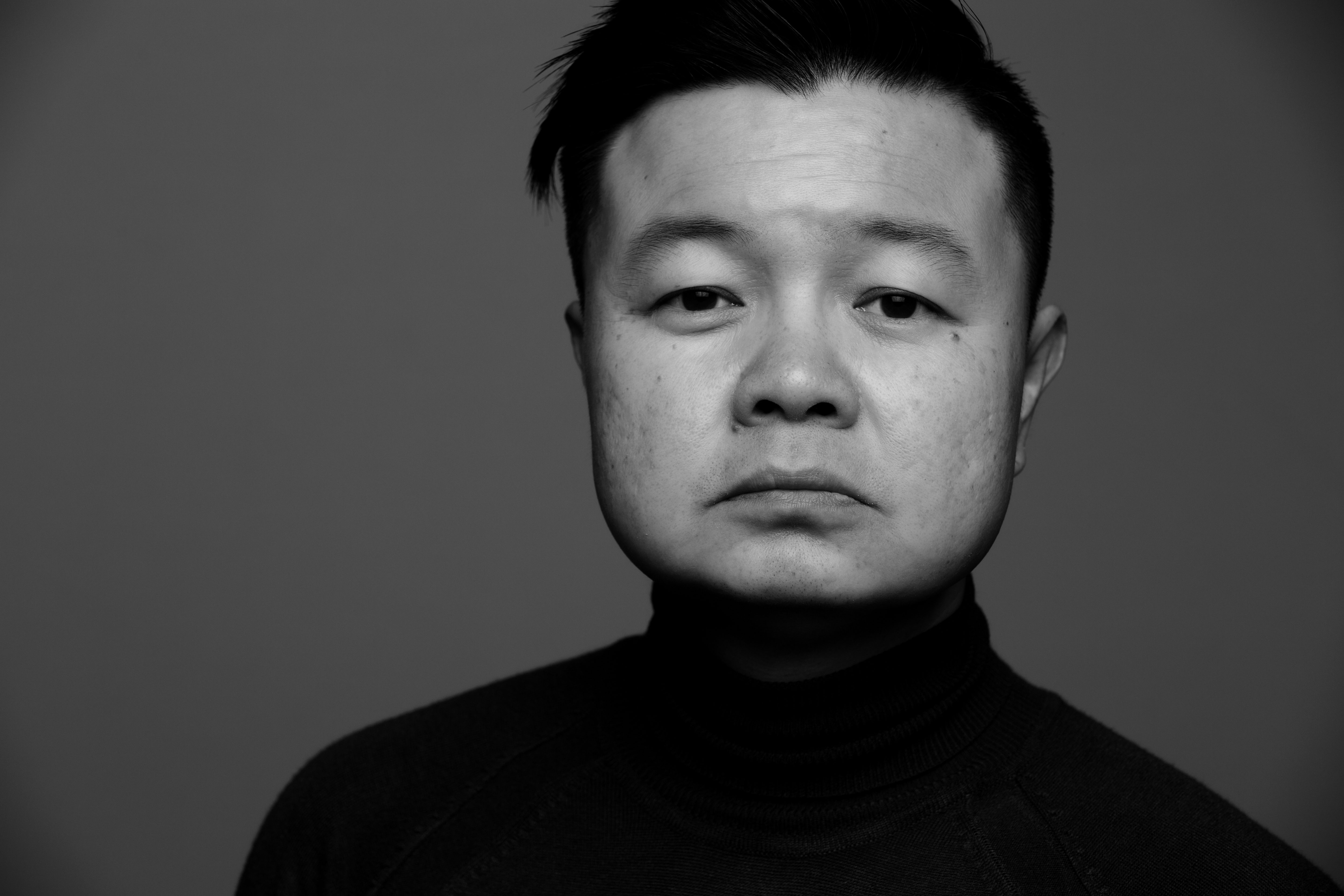
Matthieu Kaczmarek was born in Lille in the north of France where he lived until he was 20 years old. He then moved from Lille to Limoges, in central France, in order to follow a master’s degree in ‘Computer Science and Engineering’. He started his professional career in IT consultancy in Brussels in 2008 and worked for major companies such as ‘BNP Paribas’, ‘Orange’ and ‘Total’. In 2013 he decided to create his own company to continue working in IT consultancy and to generate some new ideas. He also launched ‘Consult & Event’, a wedding planning agency, at the end of 2013. Since then he has organised and coordinated several weddings in Belgium. At the end of 2016, he decided to launch ‘Le Grand Amour’, which is the brand that he is currently using for all the marriage events that he organises. In 2017, with Stella Bida, he decided to create ‘Innovation Strategy Results’, a company that helps business owners and their staff to be in control of their innovation cycle in order to get more clients.

How do you remember the beginning of your career?

During my studies I had the opportunity to travel for my different internships in the UK, Turkey and other countries. As I felt like a world citizen I wanted to continue travelling and working away from France in order to develop my mind within different cultures.

I had the choice between two opportunities: one in Columbia and one in Brussels. It was a hard choice to make but I decided to go to Brussels, the “European capital city”. It was a great symbol for me to live in a place with more than 170 nationalities in order to continue developing my mind. I have never regretted this choice as I met my wife there and built my own ecosystem there.

What motivated you to follow your dreams and to create your own company in IT consultancy?

After five years as an employee, I wanted to have the ability to choose my clients following my own expectations and to complete my own training plan from a technical point of view.

I started with a first client, then a second one and since then it has never stopped. When you have the feeling that you are doing the best for your clients then you are aligned with your mission.  Now I have accomplished one of my goals in life: having my own company.

At the end of 2016 you launched ‘Le Grand Amour’. Can you tell us more about this brand?

The objective of ‘Le Grand Amour’ is to create unforgettable moments for couples with amazing romantic surprises and marriage proposals. Frequently, men and women want to surprise their loved ones but cannot split themselves between the organisation of the event and the surprise itself – or they have an idea but don’t know how to make it happen.

My personal objective is to provide happiness to couples and special moments where they feel fully connected to one another in order to experience true love. When your partner takes time to think about your relationship and finds the idea that will make you feel in love again, that’s a beautiful situation to be in.

Since the end of 2016, ‘Le Grand Amour’ organised multiple surprises across Europe and so far, we have never heard a “No” to a marriage proposal! 2018 has now been launched with a lot of new romantic events planned and we are very excited about it!

What are some tips that you can share with us in order for people to improve their business?

The first one is to ‘WOW’ your clients in order to make them press the ‘buy again’ button. That’s why I have launched, with Stella Bida, ‘Happy Clients = Higher profits’ a Company that guides small and medium B2C business owners to improve the client experience they provide to their clients.

The second one, learned and adapted from one of my Coaches, JT Foxx, is the speed of implementation of your ideas. If you implement ten ideas a month while your competition implements a maximum of one or two how far ahead of them will you be after a year? Even if an idea is not a good one, you will grow because you know quickly if it works or not.

A lot of people see only the success that you have achieved – How many times you had to fail before this?

When I started my wedding planning company, I was struggling with the marketing and the business strategy bits and I lost a lot of time and money in trying to do things without consistency.

The most important thing is to learn from your failures in order to grow. So, when I started to learn and was coached by another business man, my sales started to grow. I also met wonderful people that are helping me to develop my skills and providing me with opportunities like Mirela Sula, the founder of Global Woman Network. From that time, I haven’t faced any major failures. As mentioned before, I implemented a lot of ideas every month to develop my businesses. Sometimes it doesn’t succeed as expected but I have limited the risk.

What is your vision for the future?

From a business point of view, I am sure that the ability of a Company to offer tailor made experiences and products to their clients will be a key factor. But most importantly the human factor will be the key element. In the hyperconnected world, it will be so easy to have everything we want in a short time that the human relationships provided by a Company will be the key differentiator. People buy from people even if there is a lot of technology involved.

From a personal point of view, the future appears exciting. The development of knowledge in all scientific domains will provide opportunities that we cannot even imagine yet. I am sure that those developments will lead to big changes in the way we think about the life we have on earth.

Q7-What are three steps that you encourage women and men to take to empower themselves?

The first step is to assume that you have to change something in your life if you want to achieve new challenges. Either you need training because you are not good in a domain or you need to change the people you are surrounded by.

For instance, regarding training, I noticed that it was important to always be in learning mode. Why is it that we concentrate so many years learning in school, but when reaching adulthood and during career years, so many people abandon training and treat it as the last level of priority? It is fundamental for me to encourage people to sharpen their actions continually, by learning critical business skills such as marketing, accounting, strategic thinking, branding or negotiation.

Regarding the people that surround you that I mentioned above, it is sometimes difficult to admit it, but there will always be some people around you that are not happy and excited by your new way of thinking or your wish to evolve. It can be due to jealousy, fear of losing contact with you, or because you might expose their own failures. So, you need to take care of your mind by filtering out the people that are don’t need advice from.

The second step is to believe in yourself. If you don’t believe in yourself or your idea it will automatically be reflected in the way that you present yourself and your Company. The first reason why customers don’t buy is because they don’t trust the credibility of the offer you have offered them. Lack of personal confidence sometimes means you will listen to anyone that might have an opinion about your business even if they have never launched a business themselves.

The third step is to find a good Coach that is a more successful than you – and that will help you to think about new ideas and prevent you from making mistakes. I started without any training or a good Coach and I have therefore lost time and money – but once you have a good Coach you will shine like the star that you are.


Luca Spaghetti- A name to remember

Luca Spaghetti- A name to remember


By Fati Gorezi

Luca Spaghetti was born in Rome, Italy. His name, but above all his nice surname, has become famous thanks to his meeting with Elizabeth Gilbert, the author of the bestseller “Eat, Pray, Love”, which then became a film with Julia Roberts and Javier Bardem, in which Luca was present as a character because of his name. Being connected to a great book (and later a film)  brought  many changes  to his  life.  Now  Luca is a  completely charming writer too. His first book “Un romano per amico”, is published in thirteen countries.

 ‘Eat, Pray, Love’, The story of Elizabeth’s life, literally, became a sensation in many countries captivating millions of readers (and later viewers) All of the “characters” in her book are real people and you are one of them. How do you feel about that?

Well, first I have to say that I didn’t know I was going to be in the book. When in 2003 Liz explained to me her project she told me that her book was going to be a ‘sort of biography’ but I couldn’t imagine a “real” biography. When she sent me the draft of EPL and I read my name for the first time I fell down from my chair. Then I started to appreciate it and the book became a phenomenon and people began to search me out and asked me: “Are you the Luca Spaghetti of EPL? Do you really exist?”

Then the movie came out where I am depicted as being bald and fat – but the problem wasn’t that I’m bald and fat in the movie but that the production team tried to make me become a Roma fan!!! Probably you know that in Rome there are two soccer teams, Lazio (The Good) and Roma (The Evil). And when we went with Liz on the movie set in Rome one night to meet Julia Roberts I met “myself” for the first time and I saw the actor who played me (Giuseppe Gandini) coming with a yellow-and-red Roma’s scarf on his (my!) shoulder.

At that time I said laughing: “I need a lawyer! It’s okay being bald and it’s okay being fat – but I’ll never be a Roma fan!” So they took mercy on me and I returned to being a Lazio fan in the movie.

You became a tour guide/guardian angel to Liz (the protagonist) How would you describe your relationship and friendship with Elizabeth Gilbert?

A gift! When a common friend wrote to me to say she was coming to Rome for three months and asked me to take care of her I was scared. I knew she was a writer and I thought of her as a very boring, intellectual, snobbish and a sophisticated person. Then, day by day, after some “penne all’arrabbiata” and a few glasses of wine I discovered how wonderful she is. I learned from her how to stop hiding my feelings and now I’m not ashamed to say: “Leave your door open always and take care of those you love.”

And we also found out a lot of things that we have in common: we have the same way of protecting our friendship deeply and strongly and we have the same sense of humour and we love eating. Most of the people remind me how lucky Liz and I are to have such a great friendship. And I completely agree. Even after her great success she’s still the same girl I used to know.

Being a person in a great book (and later film) what changes have been brought to your life?

First of all, I am now at peace with my last name! When I was child I suffered a lot, then, on becoming an adult, I learned to laugh about myself and I started to think that it wasn’t such a giant problem, and now I am a good friend with my last name. My grandmother always used to tell me, “Your last name is going to bring you luck! When people meet you it will make them happy and a little bit hungry too.” Now I can say that is absolutely true!

It has brought me luck and a lot of new friends and experiences like becoming friends with my idol James Taylor, becoming a member of the ‘Carbonara Club’ as Ambassador, and it has given me a funnier and happier life.

The book marks a revolution for women. An uprising and a rare search by Elizabeth Gilbert about how women should rise again after every failure and seek success. In your opinion what are the biggest challenges that women face today?

Probably their equality with men based on all the recent stories about abuse in the media and economic factors in terms of pay and remuneration. In a civilized and equitable world women should be paid the same as a man but I’m afraid it still isn’t so. Economically there are some tasks that have different remunerations if the worker is a man or a woman. My wife, for example, is the Director of a chemical laboratory with two hundred people. She is the first woman trusted with this task and she’s happy and appreciated. But many of her colleagues are sure that if her job was done by a man he would have better pay. Personally, I prefer to work with women. I have two girls who work for me and I would never change them for men. Every day I work with clients who are women and every day I appreciate their skills. I’m happy that Liz is a fantastic living example of every positive thing a woman could dream or plan to be.

You are a completely charming writer too. How would you describe your experience of writing books?

Thank you. A fantastic experience and the realisation of a dream. When I was a kid I dreamed of becoming a soccer player, then a songwriter like James Taylor, and at 40 years old I discovered that writing was easy for me. This was, and still is, a great lesson to me. I tried and I loved it. I started just to tell the EPL phenomenon seen through my eyes – the story of an ordinary guy with a special last name, who was born and grew up in the most beautiful city in the world and how a friendship and a book changed his life. Then I found that writing is one the best ways for me to let my emotions come out and so I went on. I’d love to write more, but often my other work doesn’t leave me so much time to do it – so I try to exploit every free minute I have.

What we should know about Italian women and men?

You should know that Italian women are the most beautiful women in the world and that Italian men are the most charming men in the world (not me of course!) Italian women and men are the funniest creatures on the planet, the best cooks, the most elegantly dressed, the insuperable wine makers and of course, the most romantic lovers in the universe. Of course I’m kidding, but I can swear we all have a great sense of humour too.

Charles Ward- Great Ideas Work

Charles Ward- Great Ideas Work


By Gulia Lucci

Charles Ward is uniquely suited to his position at the helm of IWG. With a background in TV news, public relations and advertising in Texas, Ward founded “Idea Works Global” (IWG) in 1980. From then until now, here are a few of his notable accomplishments: He changed the marketing strategies of yachting after raising $16 million in sponsorships to help Skipper Dennis Conner win the ‘America’s Cup Yacht Race in 1987’, in Western Australia. He also executed a cross-marketing strategy that aligned ‘Bombardier Aerospace’ and luxury brands such as ‘Graff Diamonds’, ‘Cartier’, and ‘Rolls-Royce Motor Cars’ to create an annual three-day party held in a hangar where private jets land to deliver business moguls and celebrities to the Super Bowl. He was also recently named the exclusive sponsorship agency for the ‘Federation of International Polo’ (FIP). Represented in 88 countries, FIP’s 19,000+ members include Royals, Generals, Business Executives, and some of the world’s wealthiest individuals. Idea Works Global is a marketing and brand-development firm focused on facilitating strategic partnerships between heritage brands to reach the most affluent connoisseurs of art, autos, fashion, travel, jewelry, spirits and sports.

Tell us about your business and why you started your business in Texas 38 years ago?

We were always interested in luxury products and services and decided to start a company that brings together the wealthiest families and unique luxury brands through strategic alliances. ‘Idea Works Global’ was born with creating corporate partnerships for America’s Cup Yacht Racing.

What has been the biggest challenge you faced as a businessman in Texas and how did you tackle that challenge?

Since we are involved in events around the world, from Australia to Sardinia, sometimes remote co-ordination is a huge challenge. We are constantly learning and improving in this regard.

Who has motivated and inspired you towards success?

I believe some of the entrepreneurs who are our clients continue to inspire me personally and I have learned so much from them in thousands of hours of meetings.

Can you tell us more about your marketing strategies and what is the formula for your international success?

We look for opportunities that are not crowded with competition already. For example, over the past two decades we have achieved an international reputation in marketing strategic alliances for the sport of polo, often overlooked by the major luxury brands. In fact, we’re told we are the only independent company in the USA with a specialty in polo branding. So, we found an incredible niche with practically no competition.

What is your experience of working with women? And what is your opinion about their talents and skills?

Our Houston office had 30 employees: 29 women and me as the only male. I find women more organised and often more creative in the fields of advertising and marketing. It has contributed to our success.

What is special about your lifestyle?

Ah, my lifestyle. It is incredible because our events are in the most desirable resorts of the world and our clients manufacture the largest private jets and most luxurious cars. And that makes up our world.

What ’motto’ in life do you live by?

Always stand for excellence and exceed client expectations and you’ll have business for life.


Adam Strong-Women are better communicators, negotiators and analysers

By Reem Soliman

Adam Strong is without a doubt, the man to be talking right now in the world of business development. As an ultra-high personal productivity authority, a former elite athlete, author and entrepreneur, he has evidently mastered the art of productivity and high performance. I got the pleasure of speaking to him and asked him to tell us more about what drives him, the challenges he has faced, his future plans and more! Read on for my interview with Adam.

You seem to have merged your love of athletics and health with high achievement in business; What advice would you give to those trying to find their passion?

Firstly, you need to have clarity and purpose. When I was younger, one of the main reasons I was so successful in my athletics career is I wanted to win and be the best. Do something that you enjoy and makes you happy. In order to gain clarity, ask yourself these questions:

“What is the goal?”

“What is it you want to achieve?”

“What is your purpose?”

Secondly, you must condition your mindset on a regular basis with positive affirmations. My advice is to read personal development books for at least thirty minutes a day, attend regular business conferences and reverse engineer the process the goals you want to achieve.

Thirdly, in order to get a head start against your competition, learn about the mistakes of people that are more successful than you, so that you won’t repeat any yourself, it will save you time and money years from now.

Fourthly, is to do your research! Create a business idea based on solving people’s problems. Richard Branson launched Virgin Atlantic because he was frustrated about the poor service that customers were receiving when flying abroad, or American businessman Vernon Hill, that launched Metro Bank to disrupt the banking industry in the UK by offering extended opening hours, great service and a pet friendly environment.

What new idea do you have? What industry could you disrupt? What problems can you solve for society? Once you have your idea execute it quickly through speed of implementation.

Lastly, you should never chase money. Create a higher purpose and you will reap the rewards in the future to come.

You’ve been named a ‘serial entrepreneur’ as you run 5 businesses, how do you keep the balance in your life while maintaining such high productivity?

You are a great advocate for supporting women; Can you tell us more about why you choose to do this, and the importance of this in today’s world?

I think that women in business are often better than men. Women have great attributes and bring a lot of different skills to the business world. One of the advantages that most women have over most men is their use of empathy and optimism, crucial in business.  Empathy in business can help you grow trust in relationships with partners, clients and customers. You can use feedback to improve and make things better. I’m a big supporter of gender equality. One of the first countries to recognise the need for gender equality was Norway. They brought in the gender equality act in 1978, giving men and women equal opportunities. In 2013 they also introduced a new act stating that both sexes shall be represented on company boards by 40%. Also, Iceland introduced a law recently that states men cannot be paid any more than women.

There is still a long way to go before we see a fair balance of gender equality. However, did you know that twenty of the top Fortune 500 companies have a fifty percent balance of men and women on their board of executives? With women like the amazing Marissa Mayer (CEO of Yahoo), Arianna Huffington (Co-Founder of the online newspaper ‘The Huffington Post’) and Indra Nooyi (CEO and chair of Pepsi Co), they are transforming companies and achieving phenomenal results.

Women are also better communicators, negotiators and analysers. They often get into the nitty gritty details of any matter, analyse it and come up with ideas promptly. This is instrumental, as this often brings more profits for the company by making more sensible deals and profitable decisions. Unlike most men, they also allow employees to share their point of view before making any decisions. Improved communication with employees increases business relationships, retention and loyalty factors.

If support of women in business is good enough for these successful and most profitable companies, then it’s good enough for any organisation.

What gives you a sense of purpose to live the life that you do?

Being a previous elite athlete has given me a great platform to transform me into results driven individual. I get really excited when I use the same skills I learnt as an athlete to deliver the same results for business owners and entrepreneurs.

I love to solve problems and come up with new and innovative ideas that help business owners become unstuck. I also love to empower people and help people achieve success, whatever I feel and look like to them. We all desire and deserve happiness in our lives and I believe becoming an entrepreneur is one way you can achieve your vision and ambitions.

Showing gratitude on a daily basis is important to me, as I wouldn’t be as successful if it wasn’t for the opportunities and knowledge given to me by my coaches, clients, friends, family and mentors. On an annual basis I participate in  challenging sports events and raise money for my preferred charity, such as the Alexander Devine Children’s Hospice or The Debretts Young Achiever Programme, a great cause that teaches gifted teens from poorer backgrounds business and life skills.

I owe it to myself and to the people that have touched my life to keep going, keep evolving and more importantly to keep learning.

You’ve been named a ‘serial entrepreneur’ as you run four businesses. How do you keep the balance in your life while maintaining such high productivity?

One of the main advantages that I have is the ability to focus, which is a skill that has taken me years to master through regular training and discipline. I developed this skill from a very young age when I became an elite athlete and now use this skill, years on in business. I focus most of my time inspiring people around the world and consulting with companies that want instant results. Through relationships and social media I continue to help people with their energy management. And finally, on a daily basis, I use my time in the morning studying business trends and creating innovative business ideas (I call this strategic thinking) that I want to build for the future.

In order to eliminate distractions and procrastination, I block activities into 30-minute segments and co-ordinate my calendar with my assistant.  I estimate how long each activity takes and then allocate my activities into segments. These may include meetings, networking, writing articles, sales calls, reading, time for family and hobbies. The night before my day, I take my notebook and write down the ‘Top 5’ things that I need to do on the left-hand side of the page and the less important tasks on the right. This allows me to deal with the most important activities first. The reason I do this the night before is it allows me to have a day that is more organised and less chaotic. I feel more excited and less stressed and I’m able to eliminate procrastination throughout the day. I can get a large amount of work done in one day compared to the average entrepreneur who can only achieve the same amount of work in a week. However, if you follow my advice, you too can achieve a work/life balance as well as high productivity.

When I first started my journey as an entrepreneur, I made the mistake of wearing too many hats, whether it be sales, marketing, web design, finance, you name it I did it. I simply didn’t see the point of getting help, I just kept on using money as an excuse not to take action. If you want to achieve some balance in your life you have to understand the importance of valuing your time and being paid your worth. I can’t emphasise enough the importance of building a strong team, to be able to focus on your strengths and delegate your weaknesses. Even if you have just started in business, you should always be thinking of how you’re going to recruit your first employee, intern or consultant. You will save valuable time and money by learning this skill early on.


What advice would you give to women looking to pursue a career similar to yours?

Be prepared – there will be ups and downs. When you’re down, just step away, refocus and try the next day, and when you’re up, keep the momentum going. Becoming an entrepreneur is not an easy thing and is not for everyone! If anyone tells you its easy, it’s a lie. There are three things you need to follow for the same path to success.

Firstly, you have to develop your ability to be mentally tough and this enables you to be able to adapt in hard times.  

Secondly, to be consistent in everything you do enabling you to work smart and not hard.

Thirdly, the most important thing, which is having a coach or mentor who can help guide you and give you some much needed hand holding, which is crucial, especially at the beginning.  

When I first started out in my athletics career, I needed to know the key ingredients. I needed to make a recipe for success. Coaching to me is as important as oxygen. Developing a coaching culture will enable you and your team to grow together. No matter how ambitious you may be, everyone needs a coach or mentor in his or her life.

What has been the most challenging aspect you have faced in your career, and how have you worked through it?

When I started my first business, I became a fitness coach and loved helping people achieve their health goals, seeing a transformation from beginning to end. However, as the years passed, I fell out of love for my passion and needed to find something new. I started by coaching other health coaches on how to grow their business. In a short period of time they were getting more clients and making more money than they ever had done before. One of my toughest periods was transitioning from a fitness coach into a business results coach, as I still couldn’t decide if this was the right route to achieve the success I wanted.  This is when I made a decision to invest in a coach, someone who was more successful than me and be able to advise me. He gave me exactly what I needed, which was a winning formula on how to build my consultancy empire.

Who has been your role model and has supported you on your journey?

JT Foxx (“The world’s number one wealth coach”) – is a great role model. He has gone through a lot of hardships and seems to understand how a lot of people in business feel. Also, Jason Gilbert (a former eight figure CEO and philanthropist, who is – my current coach. If it wasn’t for him, I wouldn’t be as successful as I am now.”
What plans do you have for the future?

I’m very excited this year as I begin to grow and scale my consultancy practice; we will be recruiting new coaches and consultants to help more people take their business to the next level. Also, we will be setting up business and health retreats, that will help business owners accelerate their results through the knowledge and experiences from other successful CEO’s and coaches. I want to create further business opportunities in a learning environment through high-level networking and partnerships.  I’m also going to be advising and investing in more growing companies, so they can see higher returns by working with shareholders and investors that want to eventually exit their companies. And finally, IAdam haveopes to execute some plans to launch a new business venture with myhis partner in the energy, health and organic food industry.


Ben Chai- The Success Magnet

Ben Chai

Sometimes enthusiastic extrovert but mostly thoughtful introvert

By Trevor Clarke

Ben Chai is a man of many parts, who has lived a full and varied life through an eclectic mix of activities, from IT to property, to acting, writing books, as a speaker sharing the stage with the biggest names, and more. Ben has achieved great success in many fields and has made his wealth through smart property investing and deserved good fortune in the beginning. He was featured recently in a BBC TV documentary about landlords living in one of their tenant’s properties, on a low budget. Yet, as you will read here, Ben’s early life was a less happy one because of bullying, something he has overcome to grow from a person of low self-esteem to be the outgoing and confident person he is today.

What was your childhood and upbringing like and how has that has influenced who and what you are today?

I grew up in London and was bullied a lot. Later, we moved to Singapore, but the bullying continued due to my being very tiny and very different from the rest of the children. At the time, I decided that the concept of race was very divisive and elected to be a citizen of this planet. Being bullied you learn a lot about people, about survival and develop a sense of when something is not quite right.

You also develop very low self-esteem, which results in a vicious cycle – the lower your self-esteem, the more you distance yourselves from others, the less you develop social skills and become a target for more bullying. Being bullied also taught me much about “isms” sexism, fatism, classism, ageism, and all varieties of exclusivism. My parents had their own challenges to deal with, which made it difficult to get much support in this area. Life was pretty dark in those days.

When I graduated, my parents did not feel I would amount to much due to my shyness and lack of confidence. At the time I had just scraped a degree, and my dad tried to get me a job in government through one of his contacts, where he thought I would be safe. I found the whole thing very disheartening and demeaning and said I would find my own way in the world. Today I realise that nobody was really taught about being good parents and he was only doing the best he could.

For the first few years I did not earn much. During that time, I cycled ten miles to work and slept on a friend’s floor with several other people. My diet consisted of porridge for lunch and corn flakes for dinner. For treats, I had a pot noodle and would suffer from pot noodle rage if someone had eaten one from my supplies.

Due to the bullying, I became mostly a recluse, or would only spend time with retired folk. The retired folk used to teach me to play games, shared their life stories with me, and educated me on how to avoid problems they faced when they were younger. Their life stories would later help me become successful in any venture.

As a young boy, playing games was a way to escape. I learned that if I helped the retired folk complete their chores faster, they would have more time to teach and play games with me.

At an unconscious level, winning at these games taught me how to be successful in life and business. For example, the Game of Diplomacy taught me that the only way to consistently win was to tell the truth without offending others. The game of chess taught me to think five, ten, twenty moves ahead of everyone else. Scrabble taught me how to maximise any situation no matter how bad.

You are a man of many parts and roles, and mystery. Your LinkedIn profile states: Actor; Author; Speaker; Business and IT strategist; Content creation specialist; Property specialist. Tell us more about these.

My very first acting role was as a baby in a James bond film. Since then I’ve been in media in most places I’ve lived either for technology, cyber security, gaming, dance, theatre or other television and films. My great aunt and uncle were members of an acting union and used to get me parts with famous people such as Madonna and John Cleese. We didn’t have selfies and the internet in those days, otherwise my celebrity album would be bursting!

After university, I managed to get a lowly paid position as an administrator in an IT company. My manager told me it would take two years to learn his position. Due to my early gaming days, I created a strategy to learn everything he knew within a month. The game of Diplomacy taught me not to demonstrate this accomplishment for another two months just in case he felt threatened. I soon took over purchasing and was able to get great deals due to collaborations with other IT companies. This joint purchasing put me in front of many CEOs of small to medium IT companies.

In the eighties, the phrase “knowledge is power” was rampant. The technical department would not tell me how to repair simple computer problems, such as the type of cable, because they felt their jobs were protected if people didn’t have their knowledge. The engineers blocking behaviour incensed me so much that I said to myself, one day I will share your entire knowledge with the world. I spent my evenings learning every single software the company was selling. After a while customers would call me for technical help.

One day the company trainer fell sick and I volunteered to train the course. They were surprised about my software knowledge but declined my offer and said they would get a freelancer. Unfortunately for them no freelancer was available and the customer had flown their executives in to learn the software and were threatening to sue the company. Opportunity met preparation and I got to give my first course. Afterwards, the customer requested that I be the only person to teach their entire organisation. This began my speaking career and since then I have spoken to audiences of up to 14,000 for Microsoft and large churches.

My degree is in mathematics and computer science. As a young boy, I was the only one in my class to beat the computer at chess. At the time, I had a much better understanding of computers than anyone else. A new manager was impressed with my ability to learn and train the software, and trained me in sales. Because my knowledge of computers was superior to the competitors and I was spending until 5:00am learning software and hardware, we were able to quickly grow the business. Another IT company headhunted me to run their entire sales and technical team. Being the CEO’s right-hand person taught me much about running a business. Later the CEO would ask me to run further businesses with him.

From there, I moved to a senior executive position at Kodak, in charge of the marketing and training of new IT products in EMEA. This position involved the creation of marketing strategies, educating and speaking to all Kodak sites, distributors and outlets on how to use and market the products. The role also involved authoring all their product and training manuals. Which is where I began a new skill in authoring. Later this content creation combined with my film, TV and radio experience would later blossom into a skill which would make me a seven-figure income as a content creation specialist.

As a systems and business speaker and educator for Microsoft and Learning Tree International, I’ve had the good fortune to rub shoulders with, teach, coach and mentor many diverse companies, from small single entrepreneur companies to global multi-nationals in banking, pharmaceutics and many more.

What drew you to such an eclectic mix of activities? Were they all part of your intention? In my twenties, I decided to be retired by my mid-thirties. To be retired you need ongoing income. At the time, I thought about what businesses would provide residual income or what is known today as passive income. These businesses included Rental properties, royalties from film and music, licenced intellectual property, network marketing, a great pension, royalties from books, royalties from games and merchandising. To make my plan fool-proof, I created several related businesses which would provide passive income.
Property was fantastic as there weren’t many property investors in those days. My parts in films with people like Madonna and John Cleese used to pay repeat cheques on every broadcast. My time at Kodak, taught me how to write books and create training manuals for technical educational companies. These training manuals were written about the most popular software of the day and provided me with a large amount of passive income whenever the training manuals were used.


How and why did you get into becoming a property landlord?

In the late eighties, there were hardly any property investors to learn from. My initial thought process, was if property prices always go up then all I needed was to buy four or five properties and create a strategy to hold all the properties as they appreciated in value.

Once they had appreciated, I would sell one to pay off all the others and so be financially free, by having incoming producing properties which fitted in my residual income model. At the time, I never thought to make income from rental. The rental would just pay for the mortgages. It is probably why I still have the lowest rentals in many of my investment areas.
When I graduated, I asked for a loan from my parents to buy an investment property. I was categorically told that property investment was a stupid idea as my parents had always lost money whenever they moved. I never got that loan. I was still too young and naïve to realise that my parents (and the rest of the world), didn’t really understand property.
In the late eighties, a couple in their mid-thirties knocked on my door and asked for a cup of tea. I thought they were the Mormons coming to convert me, but it turned out that they were the grandchildren of a dear old lady from next door. Apparently, their grandmother had passed away. She used to tell them many stories about how I used to mow her lawn, have cups of tea and do the odd handyman job when she needed someone. The grandchildren said that they would like to bless me for looking after their grandmother and asked if I would like the house at a price substantially below the estate’s valuation.
My reply was “no” because my parents told me investment property was not a good thing. They said it was my decision, but they would give me a week to think it over. At the time there was no concept of buy-to-let mortgages, so I could not get a mortgage on the property, however my brother agreed to take the mortgage and we had a signed agreement that the property belonged to me.
When my parents found out I’d bought the house next door, they were very angry with me as I had no knowledge what to do next. For a while, I just used the house as an extended house. I was so naïve at the time that I thought, if I bought several houses in a row I could convert them into a hotel.

You were featured recently on a BBC documentary, The Week the Landlords Moved In. What can you tell us about the experience overall and including the off-camera moments?

There are some things that I’m not allowed to talk about, but it was a fantastic experience.
My coaches advised me and many others not to do the show. There were many discussions in the property forums that said the show is designed to make landlords look bad. My attitude was that there is no such thing as bad publicity. If I was doing something wrong as a landlord I’d rather find out, plus I hoped it would put me in touch with some producers, as I’d like to resurrect my film and acting career from my early days.
According to the camera crew, I was one of the more authentic landlords they’d met but a conflict was required to make the episode watchable. There are many unpublished parts. One unpublished part was my reaction to the £47.00 they gave me to live on for the week. My response was to thank them for their generosity, I could live on less if they wanted. It turns out I was able to live on £14.47, so I was asked what I would do with the rest of the money.
My response was to invest the money. Either create a nest egg and invest the larger sum, or invest in a sponge and bucket and create more wealth by washing cars.

Who is the real person inside of Ben Chai?

Firstly, there is no real me. All of me is real and false at the same time. We grow, and we evolve. Who we are today is not necessarily who we are tomorrow. I am literally the person you see. Sometimes an enthusiastic extrovert but mostly a thoughtful introvert. As one person commented “Ben when I first met you, you were so quiet. I didn’t think much of you…but when you got on that stage you had so much energy and education, you blew every other speaker out of the water. How is this possible?!”

You have written a book called Social Magnetism. What are your top secrets for social success that you would care to share with Global Man readers?

No….but okay you twisted my arm. My top tips are:
-Don’t be boring – look at their eyes. The eyes glaze over when you are boring someone, or they begin to look away from you. You don’t need to explain everything because they aren’t listening anyway. Their heads are nodding but inside they are far away from the conversation.
-Add value and don’t be a douche bag. Being a douche bag worked when you were a kid but the older you get the more others want authenticity.
-Learn to walk from people who don’t care about you.
-Give so much value but don’t give to a level where people abuse your time or feel guilty because you won’t let them give back to you.
-Learn to receive.
-Understand that you are a wonderful person and learn to properly love that wonderful person. If you love yourself in a healthy manner you would treat everyone else in the same way.

Herman Chow – Helping Women Look and Feel Their Best

Herman Chow – Helping Women Look and Feel Their Best


By Gulia Lucci

Herman Chow was born and bred in Singapore, but now he lives in Amsterdam. He felt in love with photography about ten years ago and now he makes beautiful photos for social media. From the beginning of 2016 he started running his own portrait photography business

Your passion for photography seems to take up most of your time – how did you start your career?

Yes indeed – too much time! I fell in love with photography about ten years ago. At that time, I had a 9 to 5 full-time office job. I actually started with landscape photography as a hobby. One year later, I was drawn to fashion photography. That’s how I began working with model agencies, makeup artists, designers, stylists and models on fashion photography.

Having a full-time office job seemed like a career for me. I have never thought of running a business, let alone portrait photography.

At the end of 2015, I began to realise that I could bring this beauty to “everyday women (no-models)” because I felt that the whole fashion industry is a little too fake. So, I fired my boss in December 2015 and started running my own portrait photography business from the beginning of 2016.

 Please describe your earlier years before your career started.

Well, I’m not sure how you define “career.” When I had my full-time office job working for an employer, I thought that was my “career”. I was not an ambitious person. As long as I have a secure job, that will be my “career”. To be honest, it was really boring working for someone else. But I persevered because of the monthly income.

What are the main challenges that you have had to face during your personal and professional growth?

By nature, I am an extremely quiet and an anti-social person. Maybe I was allergic to people. It’s not my style to socialise with people anyway, especially strangers.

Ever since starting my photography business though, I have had to come out of my comfort zone to meet people. I have to admit it was very tough. “What do I say to people?” I thought.

I’ve learned that in order to bring my business to the next level I need to meet and network with people. So, I started going to network events. It’s still rather daunting to me, but I am slowly feeling more comfortable when ‘talking’ to people. Also, there’s a lot of struggle in running a business. And I really mean “a lot”.

After all, I have no clue or experience in running a business. So, I watched videos, talks, from successful gurus and learned from them.

What advice would you give to women looking to pursue a career similar to yours?

Ask yourself if that is what you really love and then, if it is, be prepared for some hard work.

You seem to have merged your love of photography with high achievement in business. What advice would you give to those trying to find their passion?

My advice is to never be afraid to ask, ask, ask, including asking for help if needed. There will be times when you just want to give up. You must learn to persevere and not give up. If you think of giving up, ask yourself why you started this journey in the first place.

Through many years of working, which are your ‘’sweet memories’’, the most incredible pictures that you have ever taken? It is about a man portrait or a woman portrait?

There were two memorable incidents with a female customer.

*One of them lost her father before the photoshoot and had a difficult time in life. After her photoshoot, she told me that she has now gained her confidence back because of the entire experience. Now, she puts on make-up every time she walks out of her house.

* The second one was a lady who has lost about 54kg of weight. She wanted to feel beautiful again. So, she convinced herself to do a photoshoot. She was over the moon with her images. One week after her photoshoot, I received a surprise note from her husband, thanking me for making his wife look beautiful again.

How can people use their passion for photography to build a photography business? What advice would you give to them? The first step is passion, but what is next?

  1. The first important step is always to find your “why”. Why do you want to do this?
  2. Knowing your ‘why” will help you find your purpose, cause or belief that inspires you.
  3. Once you know your “why”, you will also be able to figure out how to achieve the goals that excite you. You will also find the courage to take the risks needed to get ahead and stay motivated

What are three things that women need to know about the photography business?

  1. Again, know your “why” (why do you want to go into the photography business?)
  2. It’s not just about taking photos with your camera. It’s important to educate your customer (the subject) how they pose and connect with you to get the best out of them in a photo shoot.
  3. Also, how do you want your customers to see you as a photographer?

How do you see the role of women in business, now and in the future?

The roles of women are changing every day. From being a house-wife to getting out of their shell to run a business. Women are becoming more independent nowadays.

What are your plans for the future?

Herman – I want to help every woman on this planet to feel more comfortable in their own skin, especially with their body image and to believe that they are beautiful.  I want to educate them that it is essential to ‘exist’ in photos, not just for themselves but also for their family and children. I want to be their “go-to” photographer when someone needs a portrait photoshoot.

I want to open a huge and beautiful photo studio so that my customers can have an awesome experience during their photo session. My studio will have several departments which includes a video section to record my marketing stuff, a kitchen area to serve healthy food, a make-up room for make-up, a wardrobe changing area, a few photoshoot areas with different backdrop setups and a walk-in gallery displaying my beautiful art pieces. That’s my dream.


Richard Lukaj : Women need to invest in themselves to succeed

Richard Lukaj :

Women need to invest in themselves to succeed

By Fati Gorezi 

Richard  Lukaj has more than 20 years of investment banking experience having originated, structured and executed more than 200 deals totaling over $100 billion of transaction value. He is a founder of “Bank Street” and aspires with his partners to create a premier middle market investment banking franchise focused on growth sectors of the global economy. Mr. Lukaj has executed hundreds of transactions over the course of his successful investment banking career, ranging in variety from mergers and acquisitions, underwriting of debt, equity and derivative securities, restructurings, exclusive sales, and other financial advisory mandates. During his career at ‘Bear Stearns’, he contributed meaningfully to the development of one of the strongest investment banking franchises on Wall Street. Although heavily weighted towards the Media, Communications and Technology industries, he also has a very broad industry experience in Industrial, Consumer, Retailing, Energy, Aerospace, Specialty Finance, Real Estate and Natural Resources arenas.

 ‘’What’s wrong with men?‘’ seems an  important question for our times. Is it even controversial to say that there is a major problem with the men of the world? What is your opinion about that?

I feel the question is deliberately provocative and a bit amusing at some levels.  Despite some despicable headline making individuals, I believe there are many serious topics that warrant discussion about the evolution of relations between the genders, recognising that there isn’t one correct paradigm that solves problems for all cultures, geographies, etc.  Men and women are a by-product of their life experiences, gender role models and personal development.  As such, their gender expectations will vary but generally within socially acceptable norms in their environments.  While these norms may be very different in Japan, Nigeria or Brazil vs the UK, that’s not to suggest that adjudication is appropriate of one society upon another.  Each must approach the other with respect to find better understanding of the variances among these social norms.

Today the traditional and historical kind of masculinity is no longer necessary for a healthy and functioning society. What are the challenges for men in these modern times?

I am not sure how traditional masculinity is defined but I do believe there are, and will remain, beautiful differences between the sexes in every society.  However, there are some societies that still subjugate women, which the global community must do more to pressure progress towards affording greater protections and respect for the rights of women under generally accepted legal principles on the world stage.  The UN and other organisations can, and perhaps should, make an effort to create a more even handed legal standard for the well-being of women in less developed parts of the world.

What are three ‘hidden costs’ of being a man?

Not sure what that means exactly but I certainly believe that ‘life’, as a male or female in this modern society, is filled with blessings and we have much to celebrate in terms of progress in the evolution of relations between the genders. But that path remains still evolving and personal for all.

How can men and women have better communication between each other?

I think the communications between men and women have never been better for most societies on the world stage but much work is still needed in some areas.  I believe affording access to education for women and opportunities to contribute to theirs – and their family’s economic development – will continue to be a priority for the world to progress.  I am optimistic though, that many countries will no longer allow half their populations to be excluded from the collective desire for prosperity.

What advice would you give to women looking to pursue a career similar to yours?

The financial services sector has never been more available and receptive to women around the world.  I would highly encourage women to do so.

How do you think that we can get the best out of women in business?

People in competitive global industries generally apply best practices, which dictate that focus is increasingly on ability and performance, not gender, race, religion or anything else.

What is happening on a global scale with women in business and what does the future hold for women?

I tell my two daughters that theirs is the generation of women!  I look forward to the world with women as even more meaningful contributors to their societies.  We will all benefit from that.