

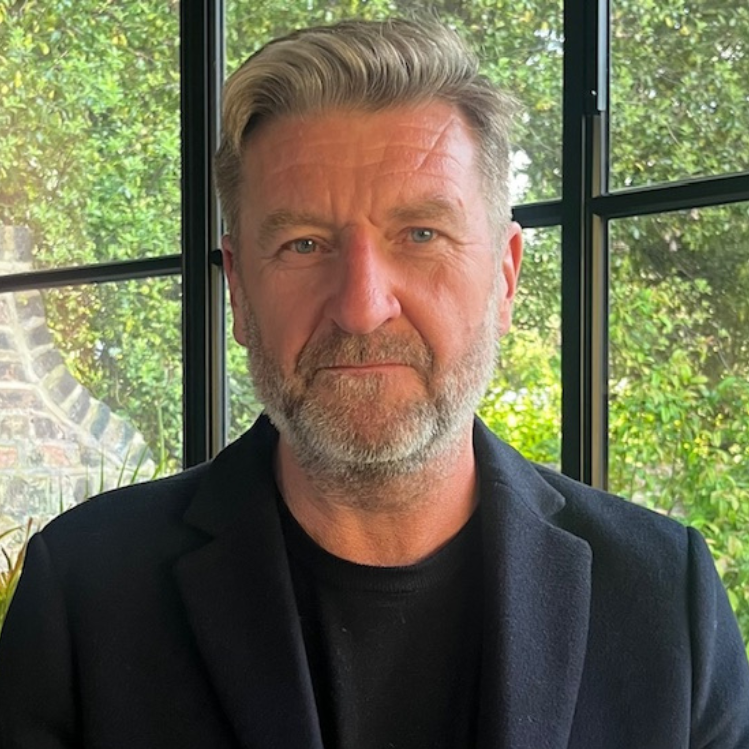
From reporting in war zones to witnessing global injustice up close, Laurence’s work has always been driven by a deep intolerance for inequality and a commitment to telling the stories that matter most. But over time, his purpose evolved—from reporting the news to helping others find their own voice.
Today, Laurence Lee dedicates his work to teaching communication and presentation skills, empowering young people and vulnerable groups to speak with confidence, own their stories, and step into opportunity with belief in themselves.
“Confidence is not about being the loudest person in the room — it’s about learning to tell your story without apologising for who you are.”
What made you want to become a journalist?
Honestly, I fell into it after university. I had started a PhD because I didn’t know what else to do. I was living near the BBC centre in Birmingham when my mother suggested I try to get some work experience, so I wrote to them. The first time I walked into a newsroom, I knew it was for me.
You’ve reported from war zones—how did that shape you?
I started during the second Palestinian intifada in 2000. It was a steep learning curve—you can’t understand what’s happening without getting your head around decades of history, and any inaccuracy gets picked up immediately. So doing that while also worrying about not getting shot is quite a lot to handle at once.
I think being single at the time helped. By the time I joined Al Jazeera, I had done quite a lot of conflict reporting and was used to it. But when I was posted in Delhi and sent to Kabul shortly after we had our first child, I remember thinking I had no business doing it any longer. I continued reporting from conflict zones after that, but gradually I stepped back because of my responsibility to my family.
Why did you focus on stories about refugees and women facing discrimination?
I’m deeply affected by injustice. The way Europe treats asylum seekers really troubles me—it claims to be a leader in human rights, yet often denies them to people based on skin colour or religion, even when their claims are legitimate.
I also struggle with organised religion and the way women—half the world’s population—are still treated as less than men. I genuinely believe women’s rights remain one of the most underreported issues in global media.
What made you switch from journalism to teaching communication skills?
I had simply had enough of Al Jazeera, but I had also long felt the education system isn’t fit for purpose. Young people are expected to learn vast amounts of information they’ll never use, yet are rarely taught how to speak in a room or perform in an interview.
After 25–30 years in live TV news, I felt I could help young people learn how to “broadcast” themselves. I also have a personal connection to this—having had a severe stammer as a child due to bullying, I understand how difficult it can be for introverted people to express themselves.
Why are speaking and presentation skills so important for students?
Almost every job requires communication skills. Employers care far less about grades than about confident young people who can look someone in the eye, explain themselves clearly, and talk about how they handle challenges or failure.
There are constant complaints from employers about entry-level candidates who can’t communicate effectively. At the same time, AI is likely to remove many jobs that don’t rely on human interaction, making communication skills even more important. Yet it’s still not properly taught in schools.
You’ve worked with inmates and former addicts—how do communication skills help them?
The course I run at the Financial Times is the same whether I’m teaching 17-year-olds, Oxbridge graduates, or people in recovery from addiction.
Everyone should be able to express vulnerability with confidence and speak with pride about overcoming challenges. It builds resilience and empathy.
Most people I’ve worked with aren’t “bad people”—they’re people to whom bad things have happened. Rather than being ashamed, they should be encouraged to recognise that they are still here and still fighting.
How did having a stammer affect your career, and why do you support Action for Stammering Children?
I never told any employer I had a stammer, and I always worried it might come back—why would a TV company hire a reporter with a stammer? So I hid it.
I developed breathing techniques that helped me manage it, and it never affected me on air. I later spoke about it publicly when I became a “stambassador” for Action for Stammering Children. It’s a small charity doing very important work.
How can companies help you teach communication skills in schools?
I don’t believe companies should try to insert themselves into the education system. I spent four years working largely for free in schools, and I found it doesn’t really work within the current structure.
However, big employers often struggle to choose between candidates because so many can’t communicate effectively. It would make sense for companies to invest in oracy coaching for candidates before interviews.
If the education system won’t change, then we need to work around it.
What advice do you give young people to speak and present with confidence?
Young people often find it very hard to say anything positive about themselves. So when asked “Why should we hire you?” they don’t know where to start.
I encourage them to identify their qualities and values, and then build stories from their lives that demonstrate those traits. Once they do that, everything changes—they become more confident, more prepared, and more in control of interviews.
It’s simple once they understand how to think about it, and it has a huge impact on their confidence and self-belief.
What’s your goal for the future of your work in communication and oracy?
I once hoped to build a national charity and connect former broadcast journalists with schools across the country. But I’ve learned that working within schools at scale doesn’t really work.
For it to grow properly, it would need corporate backing or a philanthropist who truly believes in its value and wants to build a legacy. For now, I continue as a one-man operation, doing the best I can.