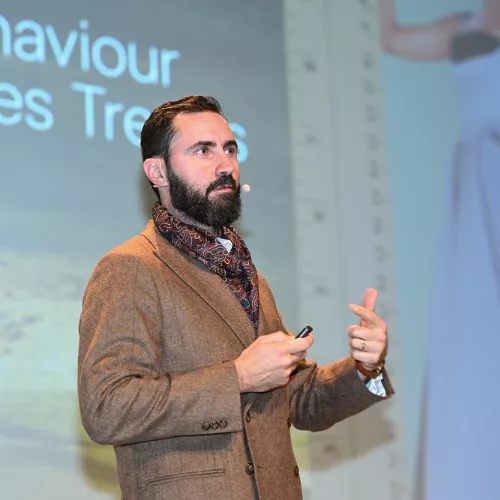
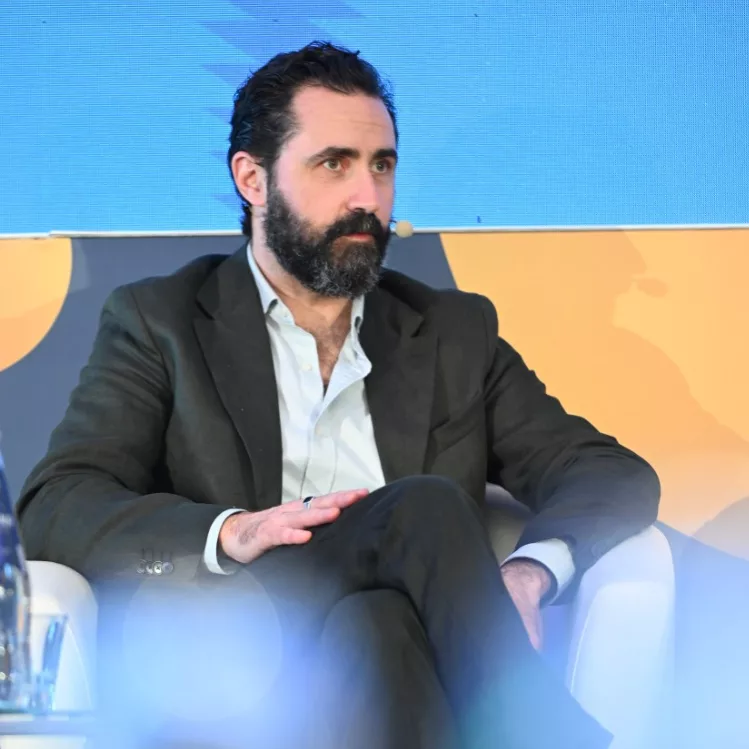
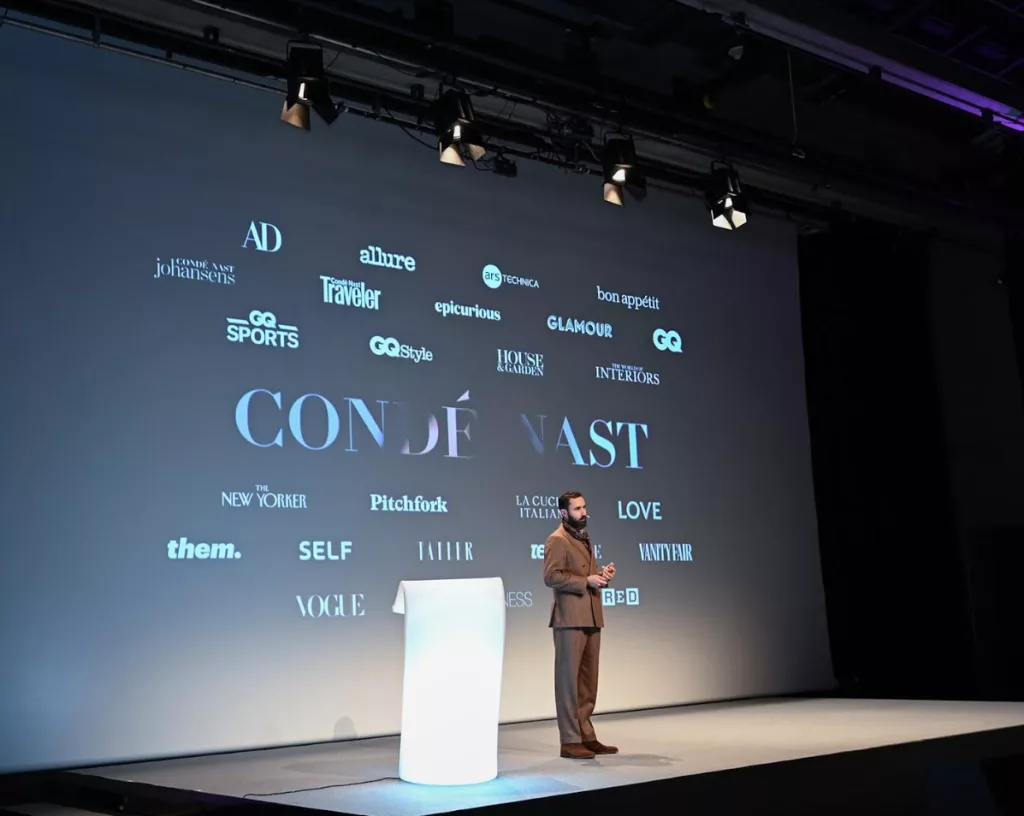
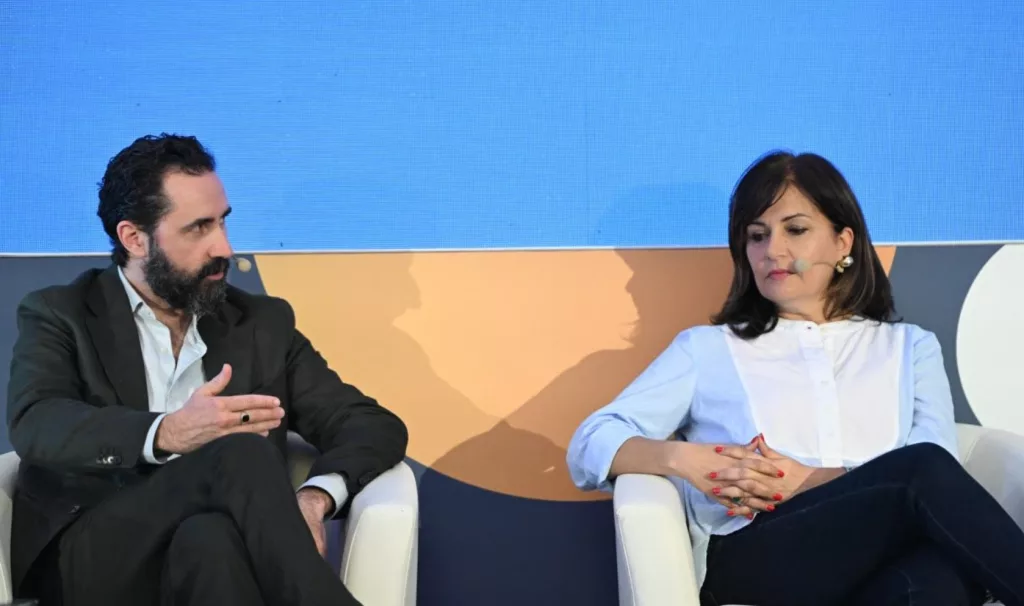
Nico Sarti has never been content to simply follow the media landscape—he’s been quietly rewriting its architecture. After years shaping strategy inside global powerhouses like The Economist and POLITICO, Sarti recognised a deeper need in the industry: translation, intuition, and cultural fluency that could turn storytelling into sustainable commercial design. That realisation became NextWave / Media, the consultancy built on the belief that creativity and commerce don’t compete—they compound. Today, Sarti stands at the intersection of media, culture, and strategy, helping publishers and brands understand attention not as a metric, but as an ecosystem.
“Media isn’t noise or inventory—it’s culture. The brands that win aren’t the ones shouting, but the ones fluent enough to become part of the conversation.”
Can you share the journey that led you from working at global publishers like The Economist and POLITICO to founding your own consultancy, NextWave / Media?
I was a natural progression. I loved The Economist’s rigour, and POLITICO’s energy, and the amazing brands at Condé Nast, but I kept hitting the same wall: publishers had amazing journalists and great storytellers, but no one was helping them build sustainable business models from it. Most consultancies come in and tell them to launch newsletters or pivot to video. That’s not the problem. The problem is they don’t know how to scale their editorial credibility into multiple revenue streams, or how to structure their studio so that growth doesn’t mean burning out their team.
On the brand side, I’d see marketers trying to force their way into culture conversation instead of actually understanding it first. They’d hire an agency that sold them the idea of “authentic storytelling” but had no clue what their audience actually cared about.
I have been doing that type of work for decades, anyway, in strategy meetings, late at night rebuilding decks, so I decided to build the firm around that. I love content and I love media, and I like to be in front of a challenge and work with clients directly. Advisory-first means we start by understanding what’s actually broken, not what vendors want to sell. And, ‘culture-first’ means we’re thinking about what your audience genuinely wants before we talk about revenue. That’s where NextWave / Media came from: the realisation that both publishers and brands need someone who speaks both languages fluently. Someone who knows how to turn creative vision into scalable business design.
What inspired you to focus on the intersection of media, creativity, and culture in your career?
Honestly, it wasn’t a single moment. It was a mix of realising that media on its own can feel mechanical, creativity on its own can drift, and culture without structure doesn’t always translate into something useful for brands or publishers.
Working across different publishers showed me that the best work always sat in that space. not the loudest campaign or the flashiest format, but the pieces that understood people’s behaviour, tapped into a cultural shift, and then delivered it in a smart, creative way.
So it became less of a choice and more of a natural focus. that’s the space where things actually land, where strategy isn’t abstract, and where results come from understanding how people live, not just how media works.
When leading Global Creative Strategy at Condé Nast, what was one of the most transformative projects you worked on, and why?
This is difficult to choose. It is such an amazing company, with so many talented people working in it. There was this project with W Hotels called “Through a New Lens.” … An amazing campaign. We brought together a photography community, the craft of storytelling, and actual business results. It won awards, sure, but what mattered more was proving something simple: audiences don’t grow because you’re shouting louder. They grow because you give people permission to speak. We turned the magazine’s credibility and reach into something people actually wanted to participate in, and it worked commercially. That stuck with me—the idea that the best partnerships are built on letting other voices lead.
How do you approach helping publishers future-proof their studios in an ever-changing media landscape?
First, forget about “future-proof.” That’s not real. Here’s what I think truly works: good studios should test in the ‘messy places’ first. Social-first, Reddit, Substack, niche Discord communities, that’s where you see what’s actually resonating before it hits the mainstream. That’s where the nuggets are.
But testing blindly is useless. You need real insights and analytics watching for cultural signals constantly. Not vanity metrics. Real signals about what your audience cares about, where attention is actually flowing, what conversations are happening that you’re not part of yet.
Then you build feedback loops where your editorial team stays in control but is genuinely listening to what’s working. Not A/B testing headlines to death, but actually understanding why certain ideas land and others don’t.
The real shift is thinking like a product company and a media company at the same time. Most publishers choose one or the other. Good ones do both. You design your pricing and your structure to protect margins by default, not by accident. When your economics are solid from day one, you can actually afford to take “smart risks”. You can experiment a lot more and you can fail, a little. That’s the studio model that scales without destroying itself.
Can you walk us through a time when you helped a brand or publisher successfully navigate a cultural or technological shift?
I worked with a heritage fashion brand, really beautiful house, decades of craft, but they felt like they were losing relevance. Their instinct was to pump out more videos, more content, more noise. But that wasn’t actually the problem. The problem was people had stopped trusting them. They’d stopped seeing themselves in the brand.
We started by asking: what mindset are we actually affecting? What do people feel when they think about this house? And it turned out the emotional connection was still there, it was just dormant. So instead of making more content, we made fewer, smarter things, work that felt like a conversation between the brand and the people who actually cared about it.
We shifted the whole measurement system. The editorial team stopped being measured on views or impressions and started being measured on dialogue. Real conversations. Questions people were asking. Comments that showed they were genuinely engaged. It sounds simple, but it’s radical, suddenly the incentive structure rewards depth over volume.
The results were interesting. Engagement went up, sure, but more importantly, renewal rates improved. People were subscribing to access more, not scrolling past. And the model scaled because it was built on something real, community, not vanity metrics. That became the blueprint for everything they did after.
What trends in media and technology do you think will have the biggest impact on content creation and monetization in the next five years?
Attention is scarcer than it’s ever been. That will not change in my opinion, but here’s what’s interesting: that same scarcity is actually supporting smaller, more focused content studios. Niche specialisation can become a trustworthy allie for talented studios.
It is also happening that AI will handle the briefs and the drafts. What AI won’t do is decide what matters. That’s still human. A studio perspective will be the key to success. The ones where someone is actually thinking about culture and taste, not just automating output. The ones that can look at what’s happening in the world and say “this story matters” before the algorithm catches up.
And lastly, I think retail media is having a moment right now and it’s not because of ads, it’s because retailers have direct access to consumer intent. They know what people want to buy. Smart retailers are becoming publishers. They’re building content around that intent, creating communities around products, not just selling. The ones doing it well are the ones treating it like editorial, not like inventory.
And for smaller studios, build something genuinely interesting, understand your economics inside out, and monetize through community, subscriptions, partnerships, whatever makes sense for that particular audience. The advantage small studios have is speed and taste. Use it.
How do you balance creative vision with commercial strategy when guiding content ecosystems?
You protect the creativity first, the margins second. Strategy’s job is to make the idea clear and make it work financially. Creativity’s job is to make it feel right. The mistake is letting either side think they’re the whole job. You need both, and they need to respect what the other is doing.
What was a key lesson you learned while growing POLITICO Studio’s revenue in Europe that you still apply today?
Simplicity wins. The best clients were the ones where we got clarity before we sold them anything. We didn’t pitch media—we pitched a roadmap, a clear sequence of what would happen. That feeling of certainty mattered more than any single idea. I still do this: the next meeting should prove the first one was worth having.
For brands and publishers looking to stay relevant, what’s the one mistake you see them making most often?
This is hard! The old mistake was thinking monetisation came first and editorial followed. Now it’s flipped, for the right reasons. Build something with real editorial integrity, something people actually trust, and the money follows. That’s what retail media is proving. That’s what small studios need to understand.
Looking back at your career so far, what advice would you give your younger self starting out in media and creative strategy?
I will sound incredibly earnest here. Read obsessively, and follow any culture rabbit hole you encounter. I think long-form writing teaches you how to think in ways that articles and tweets never will. All of it feeds into how you see culture and tell stories. Your taste is built on what you consume, so be intentional about it.
Same with music. Pay attention to how artists are communicating ideas, how they’re building moods, how they’re saying something that feels true without being obvious about it. That’s the craft you’re learning.
And here’s the thing nobody told me, but I learned along the way: the people around you matter infinitely more than you think. Not for networking. Just because good thinking happens in conversation. Share the book that blew your mind. Argue about the article that annoyed you. Send someone the essay you didn’t understand and ask them to explain it. Keep a running thread of taste and curiosity with your colleagues. That’s where real collaboration starts.
Those conversations, in a caffe, pub, or while walking the corridors with a colleague, become the connective tissue of everything. You’ll forget most of the meetings. The decks will fade. But you’ll remember the person who got what you were trying to say. You’ll remember the moment someone pushed back on your thinking in a way that made it better. Build those moments generously. They’re not a side project, they’re the actual work. It’s the longest-running thing you’ll ever build. I told you, I would be a little earnest about this.