

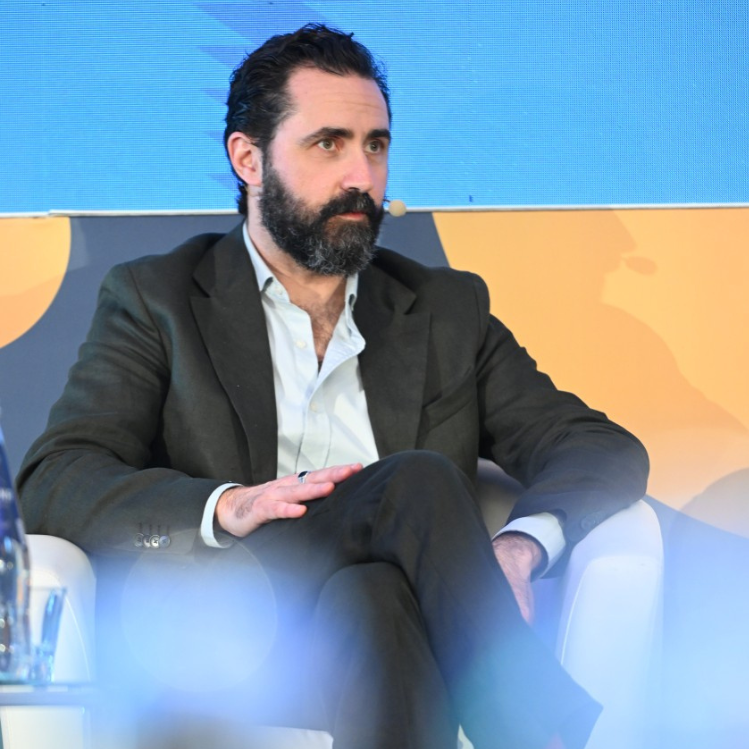
Nico Sarti has never been content to simply follow the media landscape—he’s been quietly rewriting its architecture. After years shaping strategy inside global powerhouses like The Economist and POLITICO, Sarti recognised a deeper need in the industry: translation, intuition, and cultural fluency that could turn storytelling into sustainable commercial design. That realisation became NextWave / Media, the consultancy built on the belief that creativity and commerce don’t compete—they compound. Today, Sarti stands at the intersection of media, culture, and strategy, helping publishers and brands understand attention not as a metric, but as an ecosystem.
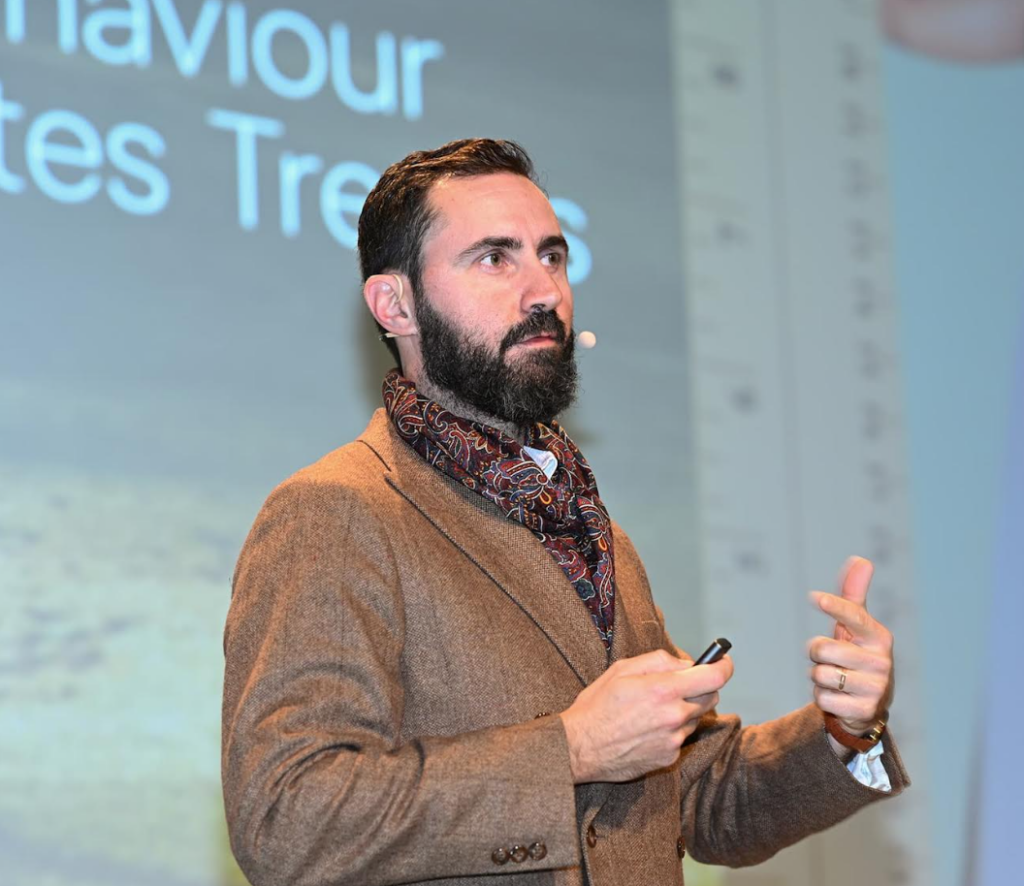
Can you share the journey that led you from working at global publishers like The Economist and POLITICO to founding your own consultancy, NextWave / Media?
The leap from global publishers to founding a consultancy was less a pivot, more a gravitational pull. I loved the rigour of The Economist, the political heartbeat of POLITICO, but somewhere along the way I realised studios needed more than reporting brilliance. They needed translation, interpretation, cultural intuition turned into commercial architecture. Founding NextWave was simply admitting I’d been doing that job on the side for years, in corridors, cafés, late-night decks. It was time to hang the shingle and build the firm I always wanted advisory-first, culture-first, strategy with poetry in its bones.
What inspired you to focus on the intersection of media, creativity, and culture in your career?
What inspires me is the power of resonance. Media isn’t pipes and inventory, it’s ritual, behaviour, belief, narrative. I’ve always been drawn to the moments where creativity shapes demand before the media catches it. The magic happens at culture’s intersection, where a brand isn’t interrupting the conversation, it becomes a reason for the conversation. That’s the work I care about. That’s the work worth scaling.
When leading Global Creative Strategy at Condé Nast, what was one of the most transformative projects you worked on, and why?
At Condé Nast, the most transformative projects didn’t come neatly labelled ‘transformative’ at first. One that stands out is W Hotels x PhotoVogue: “Through a New Lens,” where we fused community, craft, photography and cultural permission into a global partnership. It won awards, yes, but more importantly it proved a thesis: audiences aren’t built by shouting. They’re built by giving creative permission for others to speak on your behalf. We turned editorial authority, platform craft, talent housing, creator mentorship into measurable commercial yield. That project reshaped how we thought about audience development and premium yield, and it still echoes in how I design ecosystems now.
How do you approach helping publishers future-proof their studios in an ever-changing media landscape?
To future-proof publisher studios, you start by killing the idea of ‘future-proof’ as a comfort blanket. Studios should be built to mutter first, to test in the messy edges, the fringes, the Discords, the Substacks, not the committee decks. I help publishers focus on signals over storms, and build co-creation loops where editorial DNA is the anchor, not the ornament. A studio’s job is to understand attention density long before demand materialises then build pricing, packaging, and pipeline logic that protects margin by design, not hope. Futures belong to studios that behave like product companies, and storytellers at the same time.
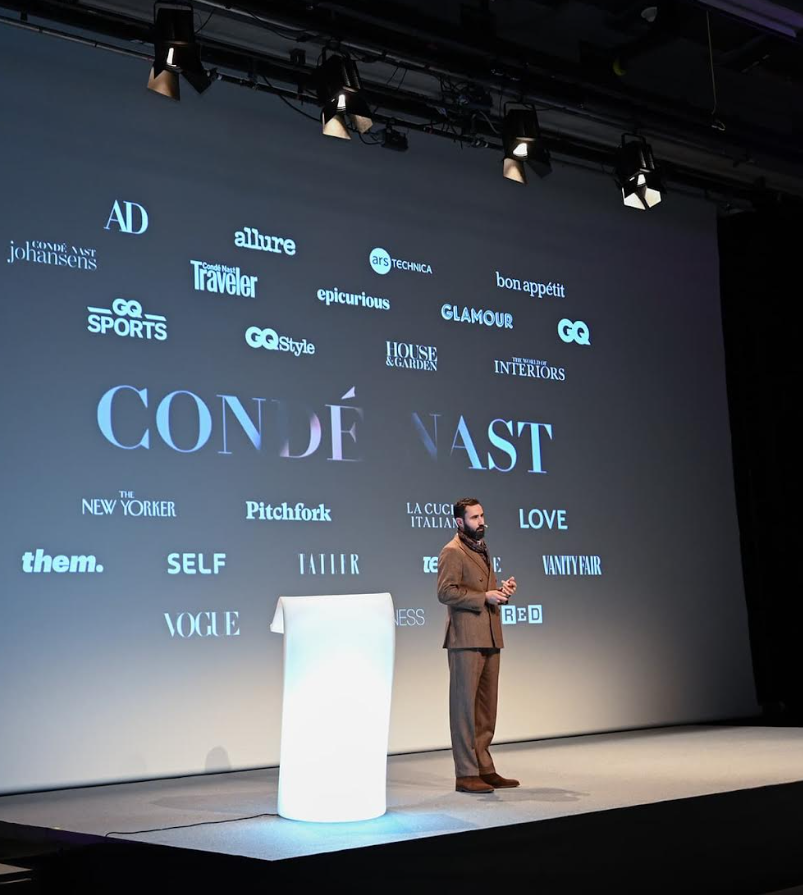
Can you walk us through a time when you helped a brand or publisher successfully navigate a cultural or technological shift?
I once helped a heritage brand navigate a technological and cultural shift when video wasn’t the question, attention erosion was. Their instinct was to manufacture more content. The correct answer was to manufacture interest. We flipped from volume logic to community logic, built editorial frameworks that privileged dialogue, not impressions. Technology was the vehicle, culture was the engine. The result? Double-digit engagement lift, premium-tier renewals, and a strategy that travelled further than the logo ever could.
What trends in media and technology do you think will have the biggest impact on content creation and monetization in the next five years?
The biggest trends in the next five years? Structural attention scarcity, AI-native creative development, platform-as-a-studio economics, and the decline of passive audiences. We’ll see syndicated taste graphs, federated creator housing, algorithmic premium yield models, and AI tools that write first drafts of strategy while humans edit for belief. Monetisation won’t be about placement, it’ll be about cultural moments packaged as commercial products that renew themselves by design.
How do you balance creative vision with commercial strategy when guiding content ecosystems?
Balancing creative vision and commercial strategy is easy to describe, harder to do: you defend creativity upstream, you defend margin downstream. Strategy’s job is to carve the belief, creativity’s job is to carve the feeling. Commercial logic simply ensures those feelings compound into demand that protects profitability. You never let either side pretend they’re the whole job.
What was a key lesson you learned while growing POLITICO Studio’s revenue in Europe that you still apply today?
The lesson from growing POLITICO Studio in Europe? Simplicity scales, panic doesn’t. The best partners were the ones we brought clarity to before ideas. We didn’t sell media, we sold momentum, the certainty of sequence, the elegance of integration. I still apply it now: the next meeting is always the KPI of the first meeting.
For brands and publishers looking to stay relevant, what’s the one mistake you see them making most often?
This is hard! I’d say romanticising output over outcomes. They polish formats while audiences quietly decay next door. Relevance isn’t maintained by nostalgia or production volume, it’s maintained by cultural adjacency purchased early, shared generously, and productised intelligently.
Looking back at your career so far, what advice would you give your younger self starting out in media and creative strategy?
Well, listen to more music and consume more books if you can. And learn rigour, but fall in love with intuitions. And on the work friendships. Treat them as your most enduring distribution channel. Share the thing you’ve just read. Send someone the article that puzzled you. Debate the ones that annoyed you. Build a running thread of taste and curiosity with your colleagues. That trail becomes connective tissue. It turns collaboration into ritual, and rituals into trust. People remember the meetings, yes. They remember the decks when they worked, certainly. But what they carry home are the sentences you shared in the margins, and the moments someone felt understood. Leave that trail generously. It becomes the longest-running campaign you’ll ever build, and the only one worth optimising for life.