

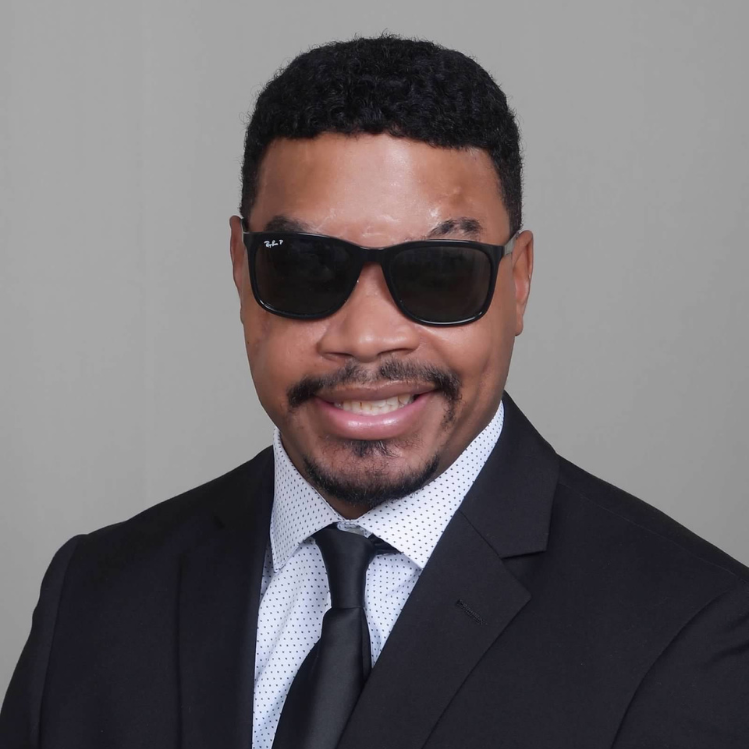
When a single moment can change your life forever, how do you find the strength to rise again? For Kijuan M. Amey, that moment came in 2017, when a devastating motorcycle accident left him without sight. Yet in the face of unimaginable loss, Kijuan didn’t just survive — he transformed his life.
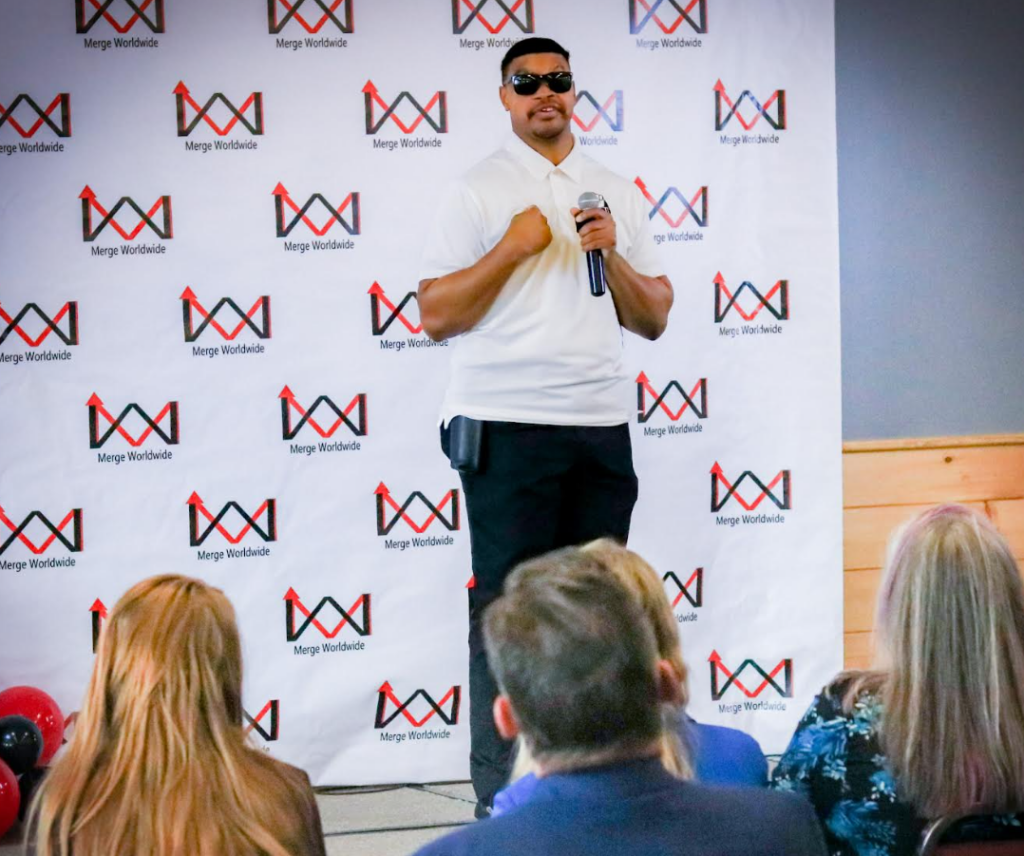
A former veteran of the United States Air Force, resilience has always been part of his DNA. Drawing on military discipline, a powerful mindset shift, and an unshakeable belief in his inner vision, he rebuilt his life from the ground up. Today, he is a celebrated speaker, author, and coach, inspiring others to redefine their limits, embrace adversity, and discover the power of purpose.
From challenging misconceptions about disability to showing how creativity and music can heal, Kijuan M. Amey proves that true vision isn’t about sight — it’s about how you choose to see the world.
“I may have lost my sight, but I never lost my vision — because real vision begins in the mind, not the eyes.”
After your accident in 2017, what was the first mindset shift that helped you begin rebuilding your life?
The first thing I had to do was distance myself from the victimized mentality. Having this mindset would keep me in those depressed and feeling lonesome moments. Once I shifted my thinking from “why me” to “what’s next for me,” I began my empowerment journey.
How did your experience in the Air Force shape the resilience you later needed in civilian life?
The resilience I would adopt from the military would ultimately give me the tool for dealing withsociety. Whether it was rejection, a feeling of acceptance, or being addressed and not going unnoticed. These are ongoing battles in the daily lives of those with disabilities.
You often say you “lost sight but not vision.” What does that phrase mean to you today?
“I may have lost my sight, but I did not lose my vision,” is all about how you view life. I choose to view sight as something physical I lost, but the vision I yet have, is mental. Your eyes are gateways to the world, but always remember, there is no functionality without the brain.
What were the biggest challenges in adapting to life without eyesight, and how did you overcome them?
The first thing I had to find out was how did it happen. I initially woke up out of a medically induced coma, at a hospital without eyesight, which I doubt anyone is prepared for. Once everything was explained to me, it helped, but there was still an uphill battle with denial. Being a military veteran helped because I could utilize my benefits and resources provided. They have blind rehabilitation centers, which are basically schools for learning how to live with your visual impairment. You learn orientation and mobility, cooking, cleaning, shopping/purchasing items at a store, using technology, and much more. I believe getting myself back into the community was the greatest help in reintegration with society.
How has your work with veterans influenced your approach to coaching resilience?
When it comes to working with vets, it did help with coaching resilience, but there’s a bit of a difference to the approach. Certain connections I have with veterans are similarities and bonds that only someone who has worn the uniform would know about. It makes for a quicker icebreaker and getting the ball rolling. For those who don’t fit this mold, it requires a more graceful connection. Generally allowing them to take the reigns on how they would like to start off the conversation. Neither approach is better than the other, but it definitely helps to be aware of this so you make the client feel as comfortable as possible in the session(s).
Your memoir focuses on overcoming adversity — what message do you hope readers carry with them after finishing it?
The hope I have when readers finish with my memoir is a distinct feeling of hope. If you listen to my comeback story and nothing moves you, I’m honestly not sure if you have a pulse. I honestly have to go back and read it just to remind myself of what all I survived in one motorcycle accident. When everyone told you how the doctors counted you out, and it was even said to my face by the doctor who performed the spinal cord surgery.
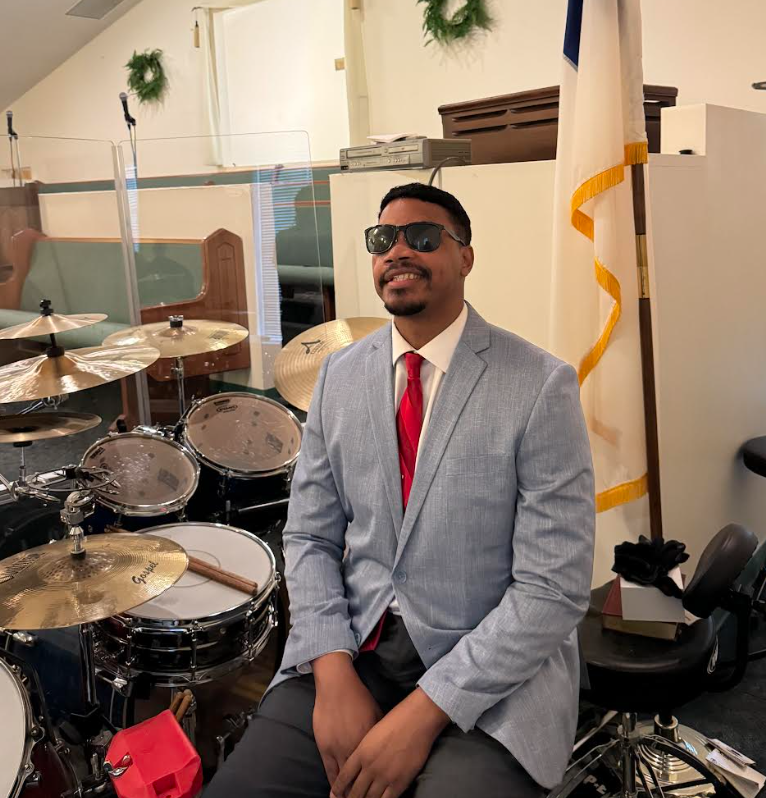
Music and drumming have been part of your life for decades. How does creativity contribute to healing and resilience?
Music is a huge part of my life and the recovery journey. For those who don’t know, music actually carries vibrations. These vibrations have positive and negative frequencies, which can affect your entire being. There was a study done on lab mice where they played two different types of music, one being positive and the other negative. Let’s just say the negative connotation of the music made one set of lab mice very violent amongst one another. The mice who were played the positive music were very productive and able to carry out task the scientists gave them. We can use this example in our daily lives to understand how these things could be influencing our lives. At the end of the day, you have to be careful which frequencies you allow to influence you. I always say, music is me, but choose wisely!
When speaking to large audiences, how do you connect personally with individuals despite the scale?
Despite the scale, I am looking to treat the speech like a flight, almost. I want to have a nice clean and sometimes exciting, takeoff, hit our different levels of altitude with a little bit of turbulence (emotions), and get you to your destination with a smooth landing. As long as I am able to do these three main things, and throw in an unforgettable nugget, the size of the audience becomes a “how big is the room,” thing. Alternatively what this means is, am I scanning the room or is it 10-20 people in front of me.
What misconceptions about blindness or disability do you most want people to rethink?
The biggest one is that we are so helpless. Majority of us have been through some kind of training in our life, so we understand how to do things for ourselves, but we also know when to ask if we can’t figure it out. With this being said, don’t intentionally ignore us when we do attempt to ask for assistance because this has personally happened to me. I just want people to understand we can do, think, and speak up for ourselves. So the next time you see me ordering at a restaurant, feel free to ask me what I want , rather than asking the person I’m with.
Looking ahead, what legacy or impact do you hope your speaking and coaching will leave?
I am hoping my speaking legacy will leave behind the true life of resilience. I want people to look at my life and say, “if he could do what he did with a life altering change like his, what am I complaining about.” Always remember, it’s not about comparing life journey’s, but understanding “if they can , so can I!”