

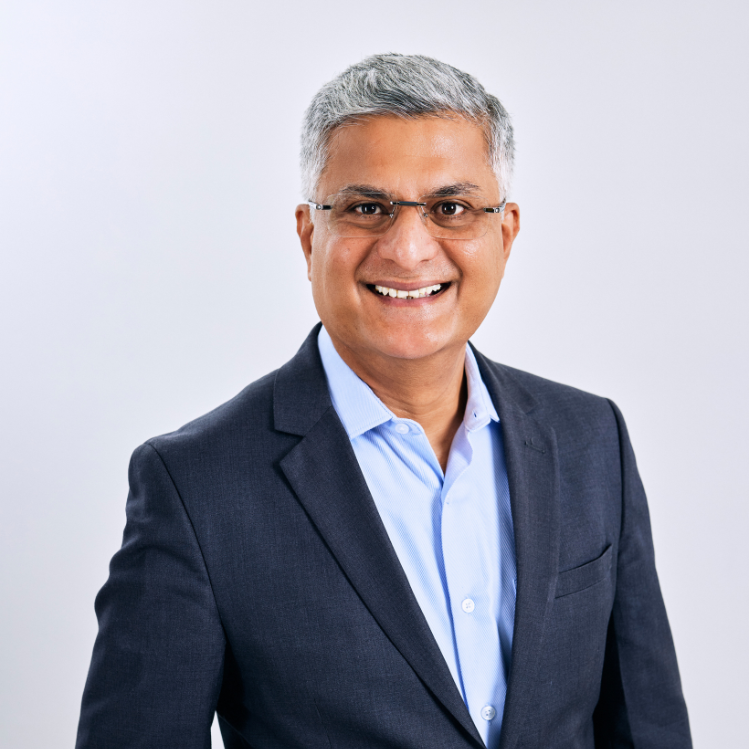
Asheesh Malhotra is a global technology and transformation leader with over 25 years of experience shaping AI, digital strategies, and business transformation across multiple continents. From scaling high-performing teams to driving ethical innovation, Asheesh combines deep cultural insight with a clear focus on purpose and impact. His work helps organisations navigate change, embrace technology responsibly, and deliver measurable value worldwide.
“True transformation happens when technology is driven by purpose and measured by the value it creates for people.”
What inspired you to pursue a global career in technology and transformation?
From early in my career and post graduate time, I was fascinated by how technology could fundamentally change the way businesses operate and create value. Growing up in India, I was naturally curious about global business trends and I wanted to work in environments where technology wasn’t just a support function, but a strategic driver. The opportunity to work across continents—UK, Europe, US, Middle East and Asia Pacific—allowed me to see first-hand how diverse businesses leverage innovation differently, which has been both inspiring and enriching.
You’ve grown teams and businesses massively—what’s your secret to building strong, motivated teams?
I’ve always believed in building a culture of purpose and ownership. People need to understand why their work matters and not just what they’re doing. I focus on giving teams clear goals, autonomy to innovate and recognition for their contributions. I follow the old adage of ‘treat people like you want to be treated’. Investing in capability-building and fostering a truly inclusive environment has been critical. And, of course, leading by example—being visible, approachable and transparent—helps create trust and motivation.
How do you make sure AI and digital tools are used responsibly in business?
Ethical AI isn’t just a checkbox—it’s about embedding responsibility into the design and deployment of technology. I have worked in areas of AI Centres of Excellence and frameworks for responsible AI, including trust, transparency and governance. I also encourage organisations to consider the societal and human impact of AI alongside its business benefits. It’s about balancing innovation with accountability and making sure technology enhances decision-making rather than replacing ethical judgment.
Can you share a moment when understanding different cultures made a big difference in your work?
Absolutely. When integrating a newly acquired business in Europe, the team had a very different approach to decision-making and hierarchy compared to our UK operations. Recognising and respecting those differences allowed us to design processes that were collaborative rather than prescriptive, which significantly improved adoption and engagement. My upbringing in India, combined with global experience, has taught me that cultural sensitivity isn’t optional—it’s central to successful transformation.
How do you help leaders and boards navigate big changes in their companies?
Change can be daunting, especially at the board level where decisions impact entire organisations. I focus on translating complex technology and digital strategies into clear business outcomes while keeping people at centre. That means defining measurable goals, outlining risks & mitigations, and establishing governance frameworks. My role is to build confidence, provide evidence-based insights and ensure leaders understand both the strategic and operational implications of change.
What advice would you give someone trying to scale a business or start a new service?
Start with clarity of purpose and customer value—understand the problem you’re solving better than anyone else. Invest in the right team and culture from day one; talent and collaboration drive scale. And, critically, combine ambition with discipline: set clear milestones, measure progress and be willing to adapt, but don’t compromise on quality or values. Growth without sustainable foundations is not sustainable.
How do you stay innovative while keeping things practical and realistic?
Innovation and pragmatism go hand in hand, if you don’t innovate you would become stale. I encourage teams to explore emerging technologies and experiment with new ideas, but always anchor them in business value. Pilots, prototypes and measurable KPIs help test assumptions quickly. Being innovative doesn’t mean being reckless; it’s about creating solutions that are aspirational, but achievable.
What’s the biggest challenge you’ve faced in your career, and how did you overcome it?
Scaling EY’s Technology Strategy & Transformation business by 20 times in 5 years was a huge challenge. It required growing the team, integrating acquisitions and maintaining culture while delivering client outcomes. We overcame it through a combination of clear vision, rigorous planning and relentless focus on people and governance. In hindsight, there were several things that could have been done better, especially internal stakeholder management – lessons learnt. Every decision was aligned to purpose, value creation and sustainability—without that, rapid growth can quickly become chaotic.
How do partnerships with companies like Microsoft or ServiceNow help your work?
Strategic alliances are about more than technology—they’re about creating ecosystems of expertise. Partnerships with Microsoft and ServiceNow allowed us to co-develop solutions, leverage best practices and accelerate client outcomes. They provide scale, credibility and access to innovation, enabling our teams to focus on solving complex business problems rather than building everything from scratch.
Outside of work, what helps you relax and stay balanced in life?
Family is my anchor—I enjoy spending time with my wife, two children and our dog. Golf has been a passion for the past 15 years; it’s not just sport, it’s a mental reset, teaching patience and focus, while keeping yourself in a relaxed mindset. Balance comes from dedicating time to what matters most personally, which in turn makes me more present and effective professionally.