

After more than forty years in finance and leadership, Nigel Armitt has seen just about everything — companies in crisis, teams rediscovering hope, and organisations learning how to breathe again. What’s kept him going all these years isn’t just the numbers, but the people behind them. Today, through his company, First Success Coach, Nigel combines his extensive experience with coaching and advisory services to help executives and organisations achieve lasting success.
“Finance gives you the tools to understand a business — leadership gives you the heart to transform it.”
You’ve spent over 40 years leading major organisations. What first drew you into finance and leadership?
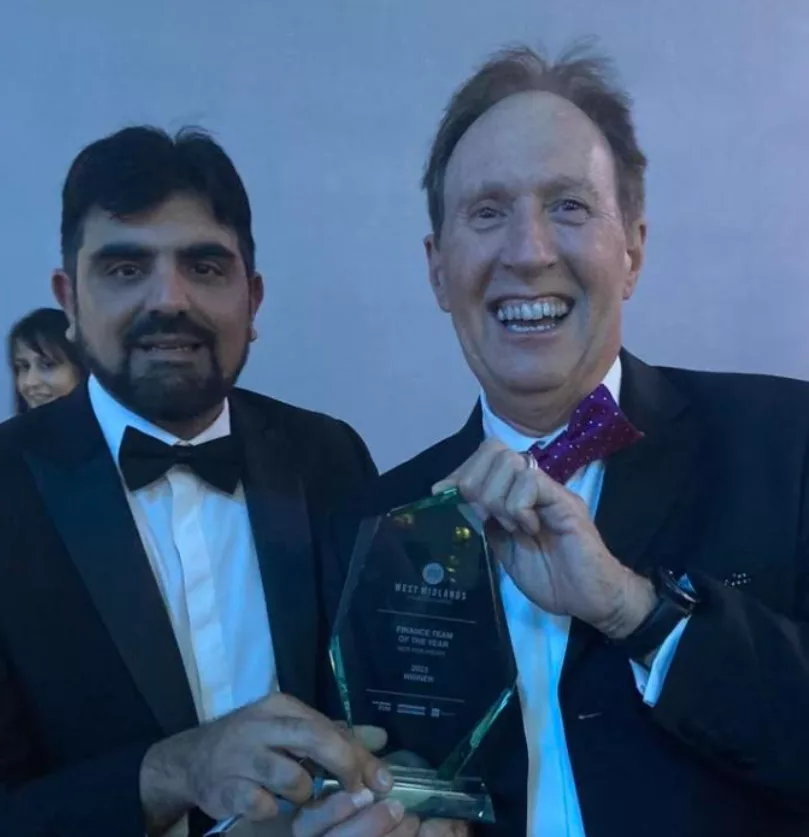
I was drawn to finance because I love understanding how businesses work and helping them grow. Many organisations can’t survive without strong financial oversight, and that’s where I saw I could make a difference. Leadership appealed to me because I genuinely enjoy motivating people, learning from them, and championing new ideas. Combining both allows me to guide Boards and teams in a way that really adds value.
You’ve helped turn around struggling organisations. What’s the first thing you do when a company is in trouble?
I start with the cash. Most organisations fail because they run out of it, or their banking arrangements aren’t strong enough. Tight cash management is critical early on. I set up a forward cash forecast—initially 12 months, sometimes extended to two years and reviewed it regularly, adjusting as more information comes in. These numbers help me make key decisions: improving collections, renegotiating bank facilities, and managing resources carefully.
Your time at Amnesty International was a milestone. What stands out most from that experience?
Two months after joining as CFO, I attended the 2019 Global Assembly Meeting in Johannesburg. Speaking to representatives from all over the world, I outlined the turnaround plan and answered their questions directly. It was essential to gain their trust. Digitising the membership subscription process came out of that, and it significantly improved cashflow, which had stalled because of COVID-19.
You’ve worked across charities, big companies, and startups. How do you adapt your approach?
Every environment is different, but they all need strong leadership, efficient management, and a positive team spirit. I focus on building trust from day one and keeping communication clear and simple. I explain the steps we need to take to achieve our goals and adapt how I work with people depending on their experience and skills. Flexibility is key.
Leading teams through difficult times isn’t easy. How do you keep people motivated?
It starts with trust and listening. I make time to hear people’s concerns, lead from the front, and check in on the team’s morale regularly. Transparency is crucial—share what you know, focus on what can be controlled, and frame challenges as opportunities. Celebrating even small wins helps keep everyone positive and motivated.
What made you move from CFO to coaching and authoring?
I wanted to help people directly, using my experience to fast-track their success. Coaching C-suite executives or sharing practical advice in my books gives me a lot of satisfaction. Seeing someone land a job, nail an interview, or take the next step in their career—it’s incredibly rewarding.
Your latest book focuses on AI in job searches. Why is AI such a game-changer for careers today?
AI changes the way people compete, learn, and get hired. Tools like ChatGPT, Claude, and Gemini can analyse job descriptions, highlight the skills employers care about, and help tailor CVs and LinkedIn profiles. They speed up research, cover letter writing, and interview prep, and even help identify skill gaps and create personalised learning plans. Employers are using AI too, so ignoring it risks missing opportunities. The key is to see AI not as a threat, but as a competitive edge.
You’ve written about stress and burnout. What advice would you give leaders who feel overwhelmed?
First, acknowledge the stress. Ignoring it leads to burnout. Then:
- Prioritise and organise your tasks.
- Set boundaries and learn to say no.
- Take breaks and step away from work.
- Make time for self-care and activities you enjoy.
- Try practical relaxation techniques—mindfulness, yoga, or meditation.
Maintain a healthy lifestyle with sleep, exercise, and a balanced diet.
You’ve achieved a lot — what keeps you curious and driven?
I love making a difference and seeing results. Whether it’s coaching someone to work more efficiently, advising a Board, or helping recruit the right person for a role, seeing tangible impact keeps me motivated.
Looking back, what does success mean to you now — and what kind of legacy do you hope to leave?
Success is about rescuing organisations, saving jobs, and delivering complex transformations. It’s about giving practical advice, helping people grow, and seeing organisations thrive. My hope is that the people and organisations I’ve worked with continue to succeed and make a positive impact long after I’ve moved on.