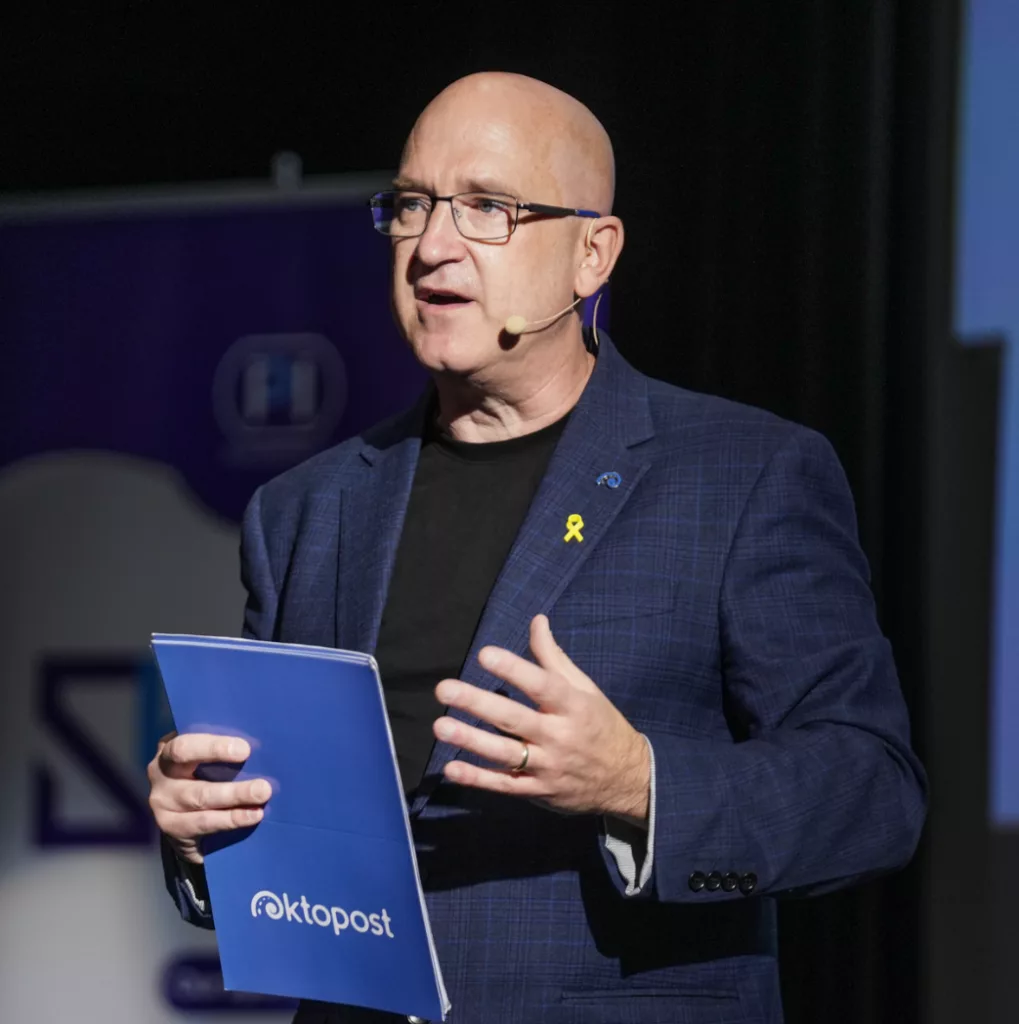
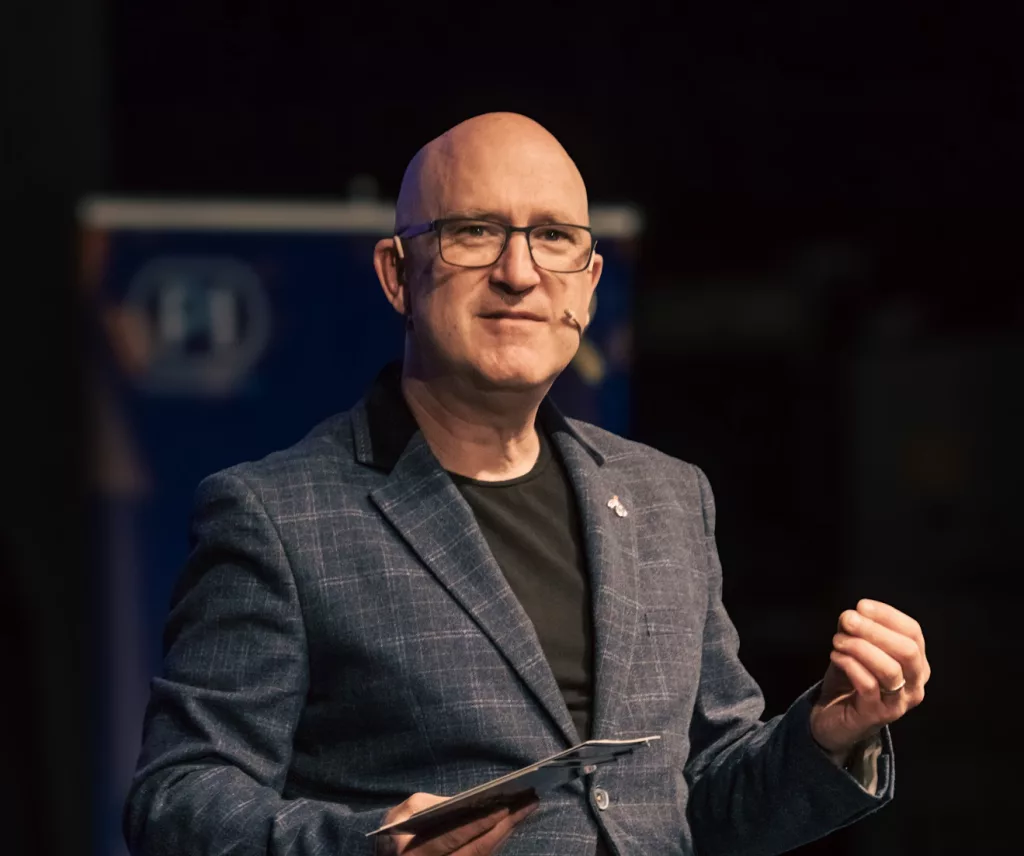
Few leaders can claim a career spanning over three decades in industries as fast-paced and ever-changing as martech and fintech. Colin Day is one of them. From navigating global markets across EMEA and APAC to helping businesses harness digital tools and build stronger customer relationships, Colin’s journey is defined by curiosity, adaptability, and a deep belief in the power of people. In this conversation, he shares insights on leadership, innovation, and what it takes to stay relevant—and inspired—after 35 years at the forefront of change.
“Curiosity keeps me ahead, no matter how fast the industry moves.”
You’ve worked in martech and fintech for over 35 years. What keeps you excited about your work after all this time?
Two things. First, the pace. Both sectors are in a constant state of evolution. Martech and fintech never sit still, and I’ve always enjoyed being in an environment where reinvention is part of the job. Second, the people. Whether it’s customers, partners, or the teams I work with, I thrive on being around people who are curious, ambitious, and unafraid to challenge convention.
Leading business across EMEA and APAC must come with challenges. How do you approach working in such different regions?
You start by recognising that while the regions are different, people are people. The fundamentals of trust, clarity, and mutual respect remain the same. That said, local context matters. I don’t believe in copy and paste strategy. You need to listen, understand how each market operates, and adapt without losing sight of your global objectives. It’s a balancing act, but one that gets easier with experience and a good local team.
Your book talks about using social media in B2B. How can companies use it to really connect with their customers?
The key is to treat social not as a broadcast channel, but as a relationship one. B2B buyers want relevance, expertise, and transparency. Social gives you a way to show up consistently, share what you know, and build trust over time. It’s not about chasing likes. It’s about being present in the buying journey, influencing early thinking, and staying part of the conversation long after the deal is done.
Marketing and sales don’t always work well together. What’s your advice for getting them on the same page?
Bring them into the same room and focus on shared outcomes. Too often, the friction comes from misalignment on goals or definitions of success. When marketing is focused on leads and sales is focused on revenue, you get a disconnect. The solution is to align around pipeline quality, deal velocity, and customer lifetime value, metrics both sides can influence. From there, collaboration becomes natural.
You’ve helped companies with big changes and mergers. What’s the most important thing leaders should do during times of change?
Communicate early, often, and with purpose. Uncertainty is the enemy of performance. People do not need every answer straight away, but they do need context and confidence that someone is steering the ship. During any transformation, I make it a point to be visible, honest about what we know and what we’re still working through, and consistent with what we expect from the team.
Digital tools are everywhere now. How do you see them changing the way businesses reach their customers?
They are removing friction, plain and simple. The best digital tools reduce manual effort, increase visibility, and help businesses move faster. But the real shift is in accountability. With the right tools, marketing and sales can no longer operate on gut feel alone. There’s nowhere to hide, which, if you embrace it, is a positive. It drives focus, discipline, and more strategic conversations about how we go to market.
What’s been the toughest international project you’ve worked on, and what did it teach you?
Years ago, I led a multi-region rollout of a complex platform across Europe and Asia for a fintech organisation. Every market had its own regulations, data requirements, and internal politics. It taught me that alignment does not happen by accident. You need clarity on roles, disciplined execution, and strong local leadership that feels empowered rather than controlled. Without that, you burn time and lose momentum.
With your experience, what trends in martech and fintech excite you most today?
In martech, it’s the growing shift from vanity metrics to meaningful commercial insight. Marketers are finally being equipped with tools that show how they influence pipeline and revenue. In fintech, I’m excited by the convergence of embedded finance and data-driven personalisation. When done well, it creates better experiences for customers and new business models for providers.
How do you inspire your teams to take risks and try new things while still focusing on results?
You create a culture where smart failure is not punished. I always ask teams to be clear on their hypothesis, what they are trying, why, and how they will measure success. As long as it is thought through and aligned to the wider goal, I support it. Results matter, but so does learning. If you get both, the business moves forward.
Looking back, what advice would you give someone who wants to lead a global team one day?
Build empathy early. You can’t lead globally if you only see things through your own cultural or commercial lens. Be curious about other ways of working, respect the local knowledge, and never assume that HQ has all the answers. Also, invest time in people. Relationships drive results, especially across borders. Oh, and remember, trust is built in drips and lost by the bucketful.
“Leadership is about trust, empowering teams, and navigating change together.”