People – Page 5 – Global Man

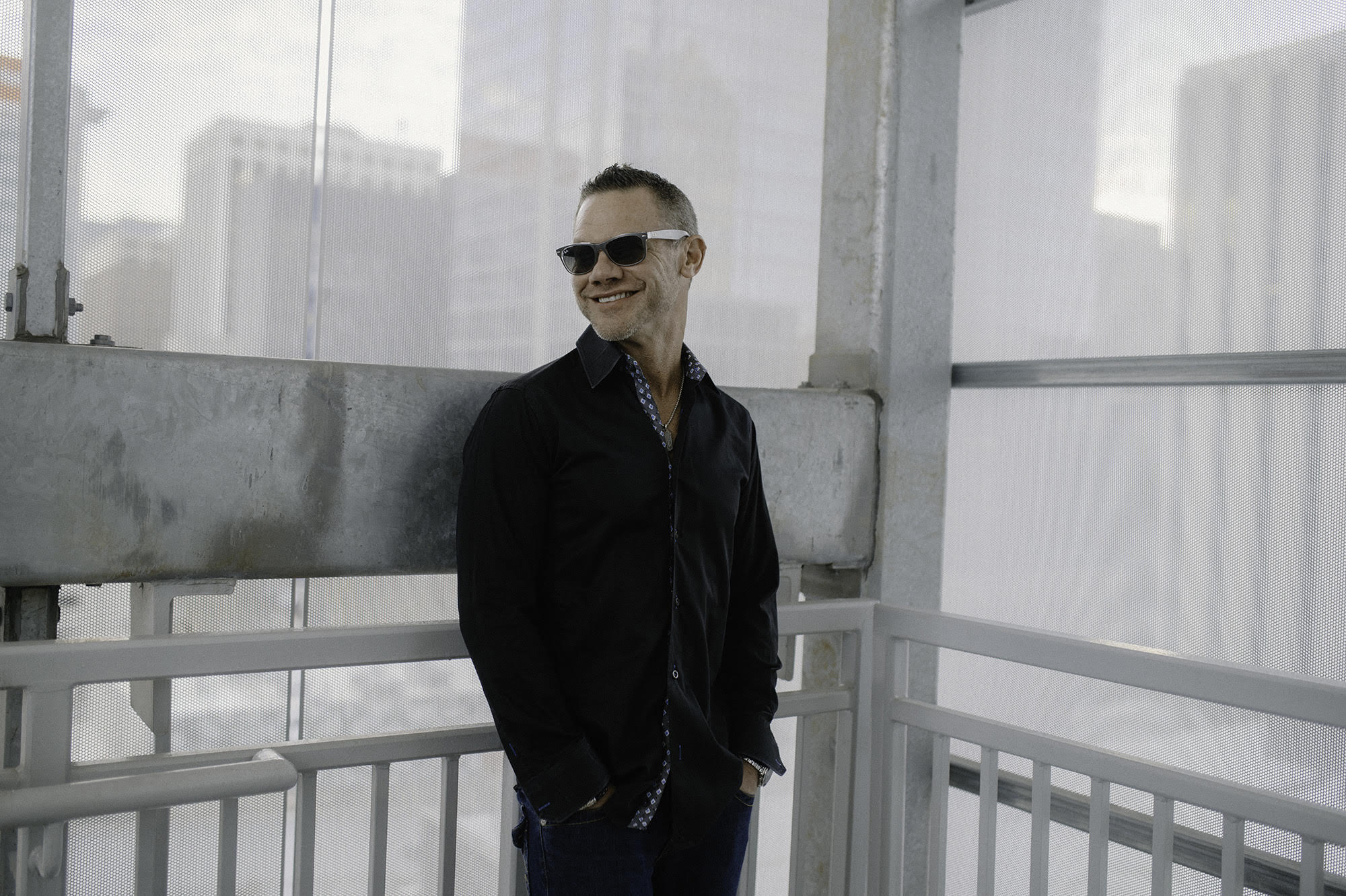
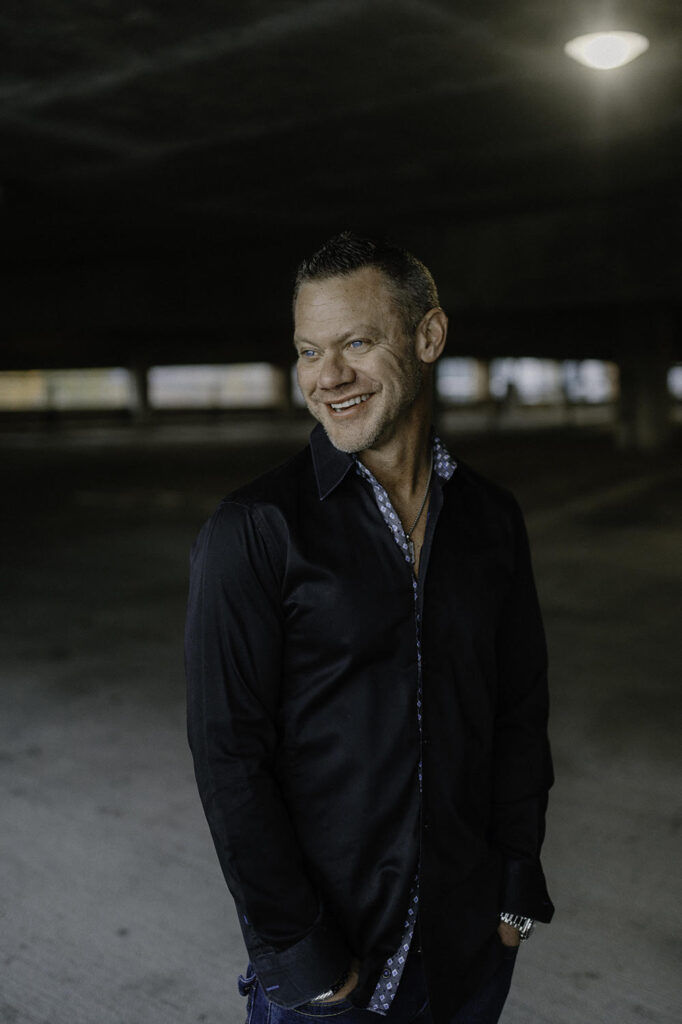
Corey Berrier: From Knocking on Doors in College to Becoming The Sales CEO


Tired of seeing businesses struggling to make sales, Corey Berrier entered the business coaching world in 2009. After creating the foundation for his sales career, knocking on doors in his college days, Corey built the ability to sell anything. As well as working with business owners, coaches and sales professionals helping them create 7 figure sales teams, ‘The Sales CEO’ began the ‘Successful Life Podcast’ with the mission to inspire.


Let’s go back to the beginning – who was Corey before sales?

The truth is I’ve always been a salesperson. Before I launched my personal training business in 2009, I had a bit of a rocky start. I was a heavy drinker and was heading nowhere fast. So I decided to quit drinking over 12 years ago because I knew I wouldn’t be able to achieve the success I wanted while drinking. To be transparent, it was one of the hardest things I’ve ever done.


When did you realise you wanted to take it one step further, transitioning from sales to business coaching?

My sales career began selling door to door in college, and it was brutal, but it gave me a solid foundation to sell anything. It also gave me the motivation to step into a more rewarding role. It gave me the experience I needed to excel in the future. 


In the sales industry, you’re working with customers who are most likely thinking ‘snake oil’ when they answer the phone. How does someone get past that barrier?

After selling my personal training company and buying a medical spa, I realized that my heart was in sales. I sold my medical practice and began working with business owners, coaches and sales professionals helping them create 7 figure sales teams with unbreakable confidence. 

I always label what the other person may be thinking. For example, “Hi, this is Corey Berrier, The Sales CEO, now you might be thinking I’m just another guy trying to sell you snake oil, you also may be thinking I’m just calling because I want money, you also may be thinking I’m just like the rest of the salespeople online, you also may be thinking I’m not trustworthy or that I’m going to take advantage of you?” The reason I label what you may be thinking is so you can relax and not feel threatened.

Autumn Harrison Photography


What are three key traits someone should work on if they want to be successful in sales?

The three key things you want to in a great salesperson is empathy, the ability to communicate from your customers’ point of view. The second thing is showing the customer you are different from everyone else. The way you show up online and in-person should be the same. Finally, every salesperson should have is the ability to read body language and micro-expressions. Why? Because you can have a poker face, but you can’t have a poker body. 


I always see salespeople as confident people who excel at public speaking. How much of your pitch is prepared beforehand, and how much is an in-the-moment speech?

Preparation always wins. The reason preparation always wins is because it gives me the confidence going into the sale that I need to be effective and not waste anyone’s time. Don’t get me wrong, sometimes some unknowns come up, and it’s your job as a sales expert to pivot like it’s part of the plan. 


You began the ‘Successful Life Podcast’ at the end of 2019, and since then, you have hosted numerous successful entrepreneurs. What inspired you to create your podcast, and what does the future hold for Successful Life Podcast?

I started my podcast so I could share important stories from people that have truly changed peoples lives, and have a positive impact on the world. I’ve had the opportunity to interview some of the biggest names in their industry, and selfishly, it’s also given me first-hand experience through the lens of these amazing people. I’ve learned so much by interviewing over 100 business owners, influencers and thought leaders over the past two years. I have just started another podcast called The Market Disrupters Podcast, where we discuss industries that are disrupting the current market. As for the Successful Life Podcast, I’m going to continue helping others through impactful stories. 


Dale Vincent Hancock: Our Challenges Are Our Catalysts To Greater Success.

By Cynthia Vera

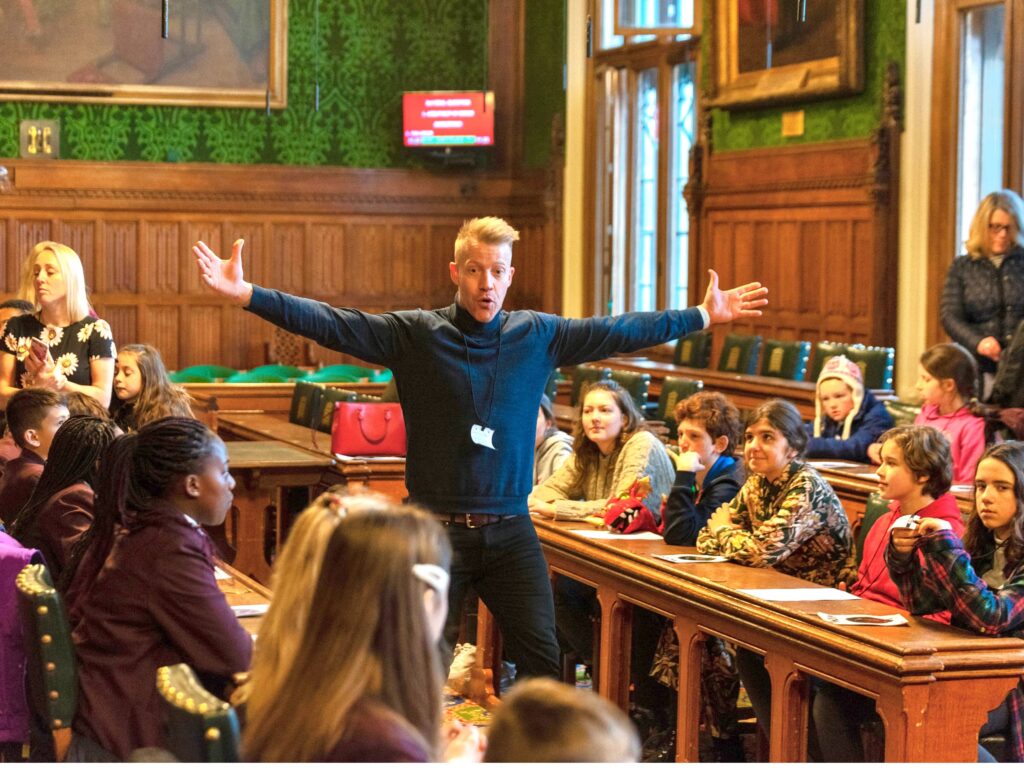
Growing up, Dale Vincent Hancock was a victim of physical and emotional bullying which greatly affected how he perceived his value, making him an adolescent without any confidence or self-belief. His tormenting challneign only seemed to escalate when he grew into an adult, experiencing a draining romantic relationship, job losses, a car crash, and more. When enough was enough, Dale decided to take control over his life and use his challenges as a driving force to change and success.

Upon discovering his passions and true self, he finally became the person that he needed when he was in his most vulnerable struggle. Now a #1 best selling author and mentor, the confidence coach has impacted over 80,000 young lives by making space for children and young people to express their emotions, feelings, and find the confidence they need. For Dale, confidence is a key and virtual quality that must be taught to children and young people – “the architects of our future and role models for their younger generations”. 

You have over a decade of experience as a confidence coach, teaching young people how to find their own voice along their journey of growth. What made you follow this path and how did you realise this was your calling?

Pain. To put it simply. Throughout my adolescent years in education, I was physically and emotionally bullied. Now everyone has a bullying story, whether you were the victim, bully or witness. But, if you have ever been a victim at a young age and unconsciously live with the acceptance that ‘they are better than me, so I shall just put up with it’, then it will damage your living experience. Even worse, you could pass this on to your children. I ever want any child to feel manipulated, controlled, belittled or abused at the hands of unfortunate insecure peers around their age. The key in my 22 years of coaching and impacting children is … confidence. This is what helps a child say “no”, “stop”, “enough man”, and stand up for themselves. When you convert a child’s level of thinking based on their own beliefs and values – not mummy’s or daddy’s – then you see them stand 10 ft tall because they value their own self worth.


Unfortunately for me, I never had a coach to show me the social interaction life ropes and I put up with it. In my career, I was bullied by my deputy head. In my previous relationship, my partner at the time sought physical attention from other men for the entire relationship to which I forgave her for …foolishly, as it occurred numerous times after. When she fell pregnant with another man’s child, enough was enough. But I still went with her to the clinic to terminate it, which broke me.

Over the course of this time I lost my job, I had a car crash, my mum had a heart attack and I was in £15,000 worth of debt taking her off the mortgage. I felt like life was attacking me with no safe way out. Eventually, a now dear friend recommended a coach and after 12 weeks, I was a changed man; growing in confidence, getting my life back together. To prove to myself that I was who I wanted and deserved to be, I applied for a national TV show and won it! Undoubtedly confirming to me that confidence already existed within me, I just had to find the key. Now, it is my responsibility, mission, and privilege to help billions of children find theirs before it’s too late.

Being a coach who inspires hundreds of thousands of students and youths worldwide who will shape our future must be very rewarding. Why is it so important for you to focus your attention on creating a safe space for young people to find confidence in their identity?

Children find it tough to express themselves and when they do, they often get shut down, told to “be quiet”, “sit still” “shhh….concentrate”. I wonder when the education system will recognise that it is crucial for a child to express feelings and emotions with guidance and nurture? Because after teaching for 12 years, I have noticed a huge rise in mental health disorders and this was way before covid. Let’s not forget children are the architects of our future and role models for their younger generations. When a child understands themselves, they operate with an air of certainty and little to no self-consciousness. We need to help them grow in confidence and self assertion for a more sustained future and progressive society.

You have over a decade of experience as a confidence coach teaching young people how to find their own voice along their journey of growth. Can you explain what you might do in a session to help people?

Help them see their miracle. It’s difficult for children not to see themselves as part of a tribe, whether it be a family tribe, friend tribe, class tribe and when children construct this mentality, they cultivate behaviours of just ‘fitting in’. I don’t want children to fit in, I want them to stand out but after years of society, parents, school, and peers condemning them for talking out or acting differently, children get unconsciously locked into this mindset. After impacting over 80,000 children globally, the best way that I have found is to combine the physicality and the psychology to show a child what they are capable of and where to find their confidence within themselves.

When you’ve been faced with challenges, how did you overcome them throughout your journey?

At the time I allowed them to consume me because I had no previous experience of how to deal with these fearful situations. I accidentally stumbled across a Tony Robbins YouTube video, which was incredibly strange because I had never searched his name or personal development prior to this. I felt as if Tony was solely speaking to me, his voice penetrated my being and shook my foundations to the core. It immediately motivated me to take physical action, so I ventured to the gym. In doing so, I bumped into an NLP Master practitioner and the way he articulated sentences with the words he used, again, further blew my mind. He recommended I research personal development and I later met his coach who helped me release my capabilities, my challenges served me and showed a light in the area of my mind that I never knew existed; exposing my confidence and zest for life. This confidence manifested into fearless self belief that I used to apply for a National TV Show called Cannonball. To this day, I cannot explain the thoughts knowing that I was going to win. I actually told the producers before the final that I was going to win and it came from an authentic place in my heart, not arrogance. As you know, the rest is history. I am not telling people around the world to discover their worth, they must win a TV game show, far from it. To discover our worth and grow our courage, we must face our fears and challenges because those challenges are not there to block us. They are our catalysts to greater success.  

Are there any defining moments from your career that stand out from the rest?

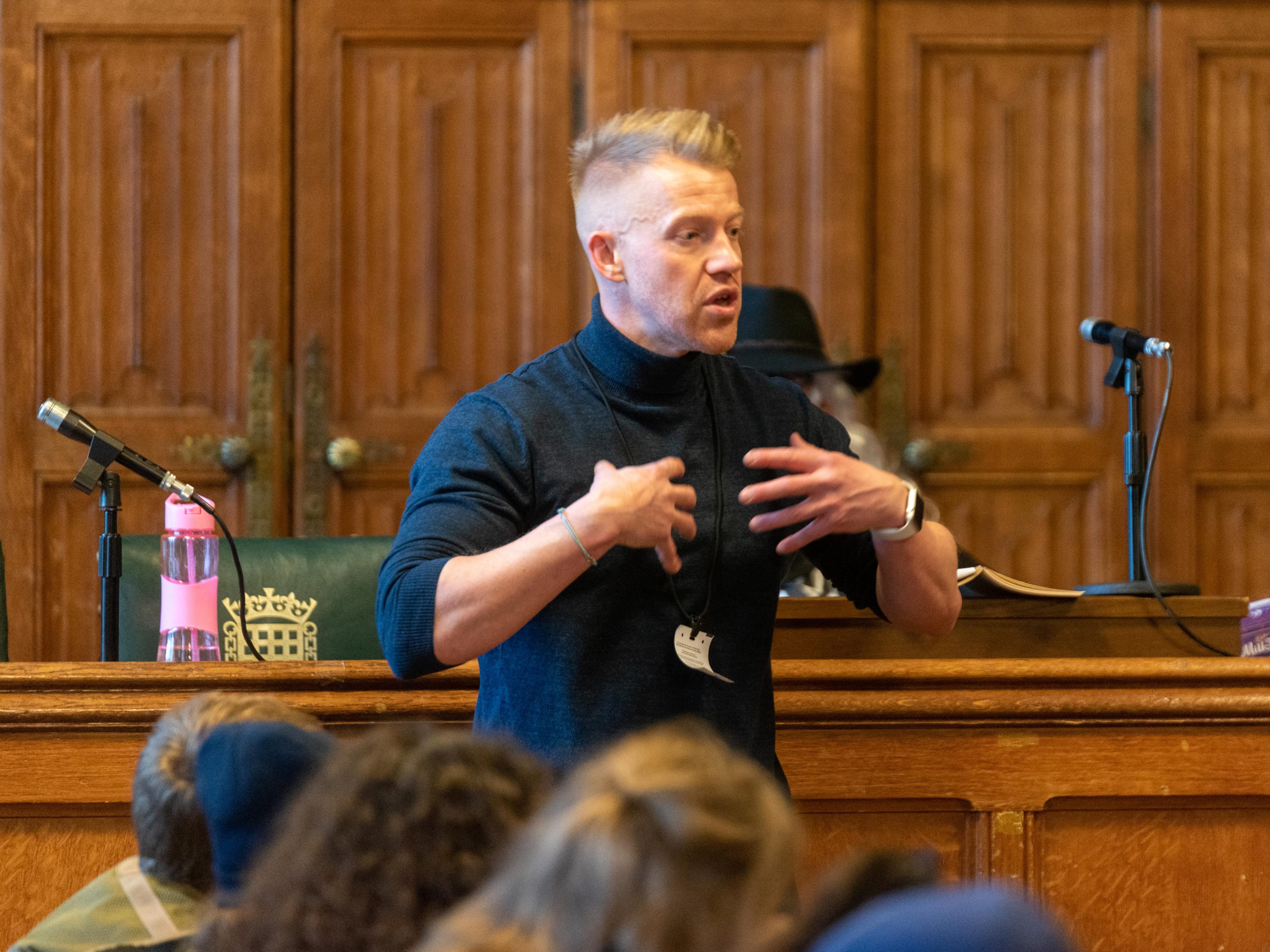
Many. But the one that always sticks out to me isn’t speaking in the House of Commons, winning a TV show, hanging out with celebs, speaking around the world or even financial freedom, it’s the messages from children and parents. I received a private message from a once broken parent. Broken due to the suffering and struggle her son was enduring, endless bullying, daily anxiety, and frustration believing they were a “useless” parent for not having the answers. The uselessness could not be further from the truth because this powerful mum reached out to me and after a month, a message popped up on my phone whilst I was having dinner. My partner looked across to me concerned, noticing my crestfallen facial expression and asked me what was wrong. As I began to cry, I explained that nothing was wrong, everything was right as that once broken mum sent me this: “I can honestly say, Dale, that you have saved my son’s life”. These are my defining moments.

You’re a #1 Amazon best seller of Raw Confidence – a book you wrote to your 10-year-old self about how to be unapologetically yourself. What does confidence look like in young people to you?

It’s hidden, unfortunately. Children learn not to show their greatness, they learn that commending themselves is arrogant, they get told to sit still, be quiet, don’t climb, and so much more. It is alarming how adults are placing their own insecurities onto children and it is simply robbing them of their self confidence. A child’s early years should involve as many mistakes, exploratory moments, emotions, new things and relationships as possible. Not barriers or judgement. Give opportunities for children to try new things that require consistent practice. Teach them the value of effort and to strive for their personal best, rather than measure up to someone else’s. It is not quick and certainly not easy, but will take time and consistency. Our role as parents is to support our kids in their efforts, showing them the correlation between effort, and achievement. When this progress occurs, you will see the confidence shining from within. I see confident parents impacting the young lives they have the privilege of guiding by doing it themselves so that the child can absorb. 

How does a lack of confidence and direction impact young people’s mental health?

In my book, I share the 3 main areas that when a child shows confidence in these areas, it will show up for them in life. The 3 S’s are Self, Skill and Social. When we have a healthy relationship and progress with confidence, it will greatly affect our life journey. But, what if we had low self confidence? In my research, I have found that children seek a ‘low confidence confirmation’ in other areas of their life to almost confirm their suspicions and give them the comfort of knowing they were right. This could show up as low self worth, low self esteem, poor self body image and in turn allow others to possibly take advantage of you. It is clear to see that any of the above has a damaging effect on one’s mental health.

The conversation around mental health has always been a taboo one with stigmas attached to people experiencing such hurdles, leaving many to struggle alone. However, in recent years, mental health awareness has been steadily gaining more recognition. What can we as individuals do to facilitate an open and welcoming environment to discuss mental health?

We can understand and respect each other. We must see that everyone on this planet is completely and utterly unique and in that same thread, will have endured many different experiences. Some that challenge, some that hurt and some that power. Either/or each one has helped design the person we are today, and if we can learn to love that person, then we give others permission to love us too. Support, encourage, and motivate others to be better versions of ourselves yesterday. 

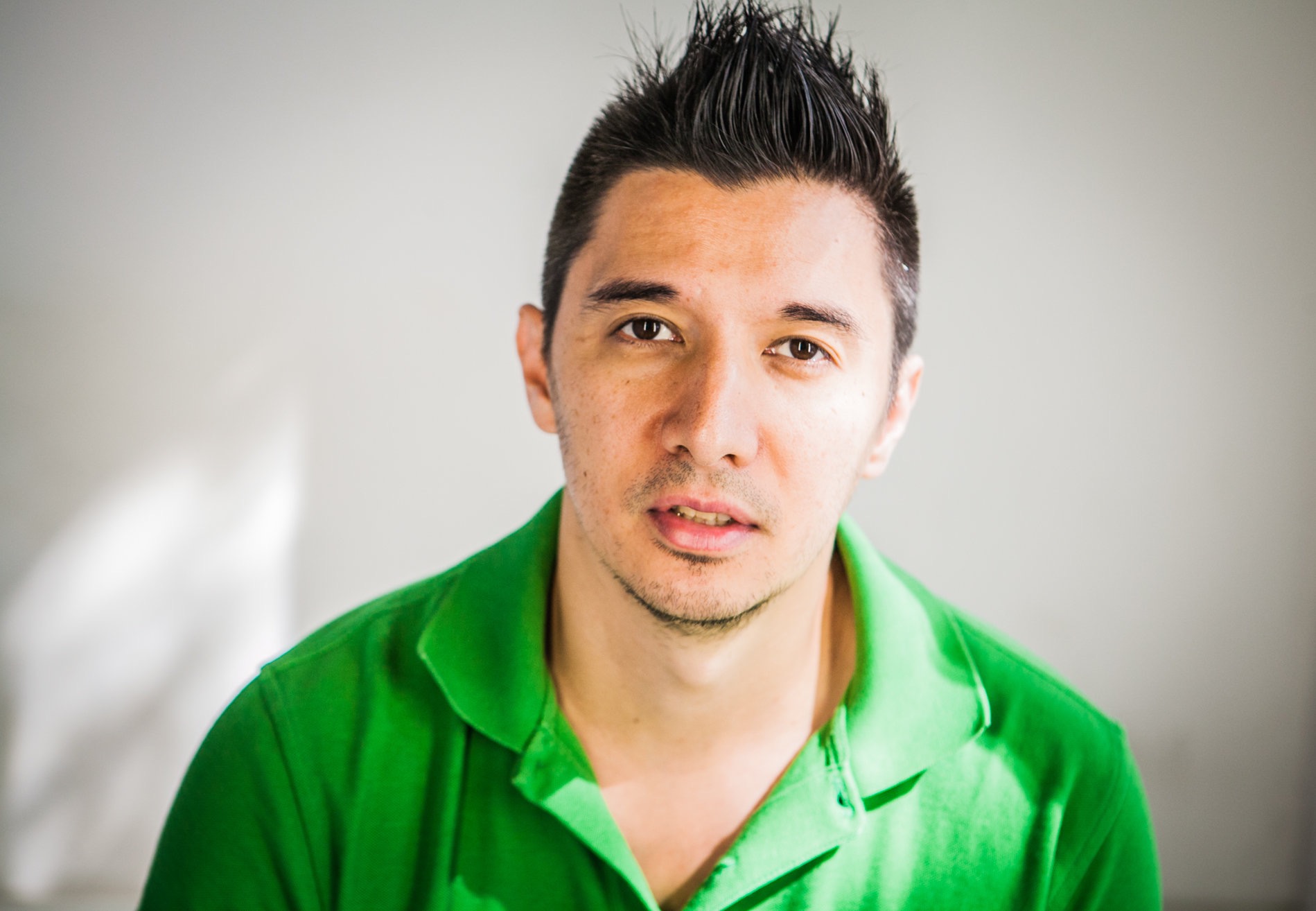
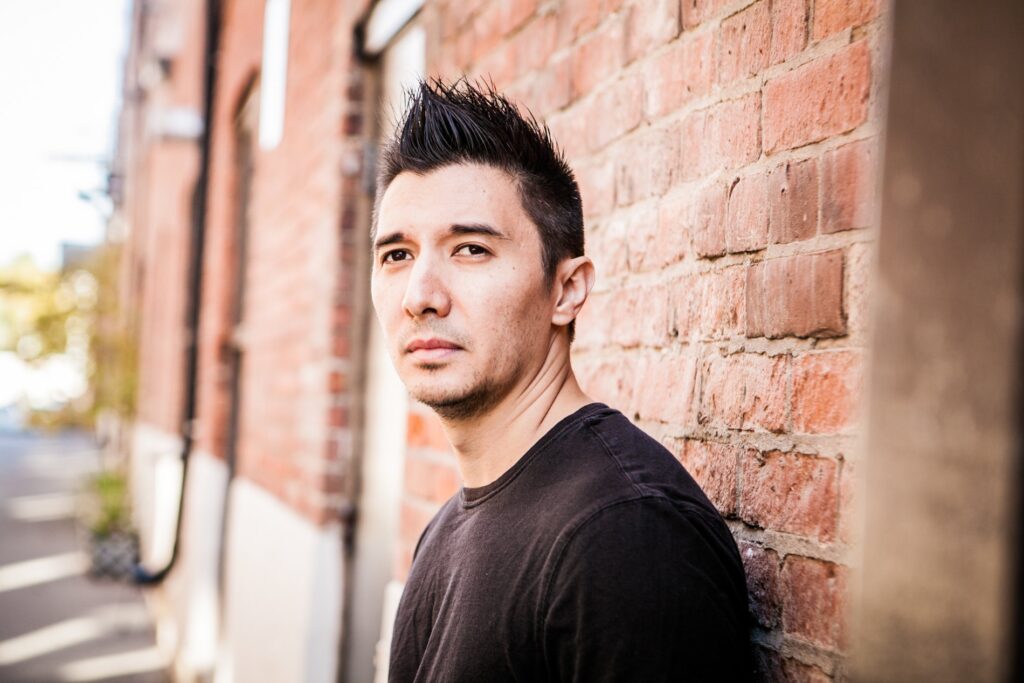
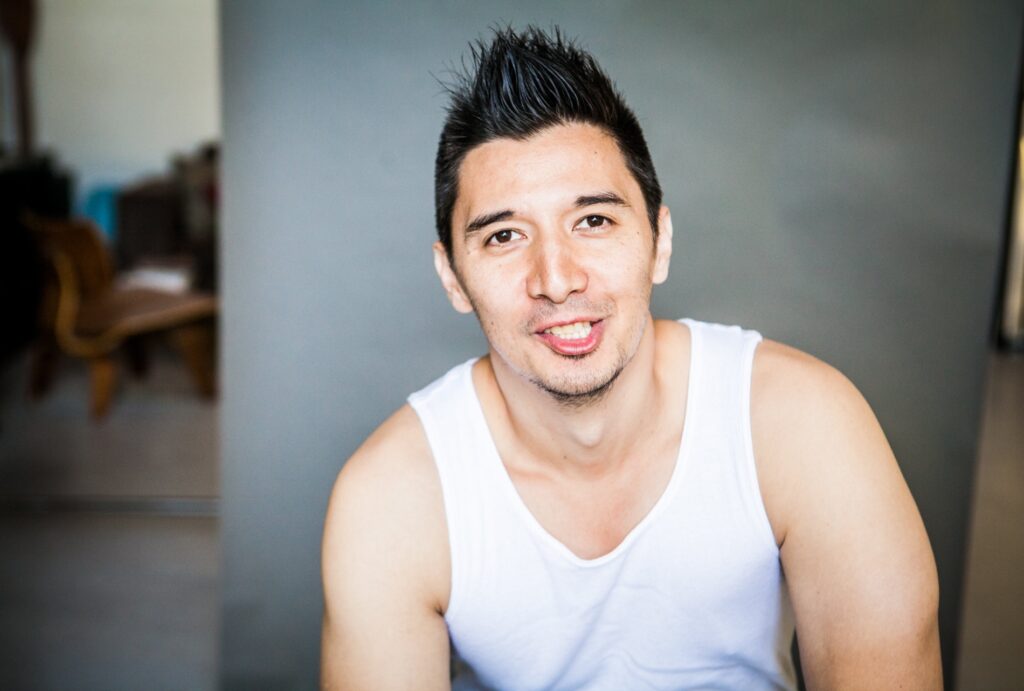
Bobby Del Rio: Chase Passion, Not Stardom.

By Cynthia Vera

For some, their career path is one that is planned and pursued with the intention of fulfilling this purpose. For Canadian actor, screenwriter and director Bobby Del Rio, the path to the filmmaking industry revealed itself slowly and soon enough, Bobby fell in love with filmmaking.
With a career spreading across two decades, the storyteller follows his heart with every project he takes on like utilising the expressive creativity of screenplays and turning into a theatricalisation of anti-racism and activism.

Now with a foot in the door of Hollywood, Bobby Del Rio will continue to do what he always does: “star in, write, direct and produce whatever” is in his heart. Finding passion to create new stories and share a message with his audience, the actor values the pursuit of purpose in every one of his projects in the film industry. As seen with his new feature film “The Market” that’s been described as “cinematic brilliance” by the Jagran Film Festival.

1.You’re a multi-talented man with a career in the entertainment industry spanning over 20 years, from directing, producing, writing to acting. Where does your story begin within the world of filmmaking? What made you fall in love with entertainment? 

I never intended to become a filmmaker. I worked as the Canadian Feature Film programmer for ReelWorld Film Festival in Toronto. I did that job for 5 years, then fell in love with filmmaking. I loved supporting the work of filmmakers, then decided I wanted to try it myself. 

2.Aside from filmmaking, you’re also involved in theatre with your play “Professionally Ethnic” gaining critical success at the 2017 SummerWorks festival and published in the prestigious Canadian Theatre Review. What was this experience like for you? What motivated you to create a play?

I was a notable anti-racism political activist in my 20s. “Professionally Ethnic” was the theatricalisation of all my activism. I wanted to educate an audience on everything I learned being on the front lines of race politics for so many years.

3.Your most recent project is the well-received feature film “The Market” which you wrote and directed. It’s been called a “cinematic brilliance” by the Jagran Film Festival, so what can you tell us about the film? How did it come to be?  

“The Market” is the film I wanted to make before I died. It was my best play in my 30s, and I wanted people to see my best work. It’s special to me because it took so many years to make, and has subsequently opened more career doors for me than any other of my works. I had never directed a film before when I decided to take that on, but I always believed in my heart I could do it.

4.The Covid-19 pandemic has heavily affected the entertainment industry and put many performers’ lives on hold. How has the pandemic and resulting lockdowns made an impact on your career?

To be honest, the pandemic blew up my entire career. Not sure if it was luck or good timing, but I ended up getting a distribution deal for my film “The Market” at the beginning of the pandemic. And I became one of the top film moderators of Clubhouse by having so much time available to devote to it. While the pandemic has been a terrible time in our history, I have to admit that many good things surprisingly came out of it for me personally.


5.Where do you find inspiration for storytelling?

 Whatever is in my heart.

6.Does your writing process change with every role/project? 

My writing process is fairly consistent. It’s actually quite boring. Once I align a concept with a premise, I write the first draft very quickly. Usually in 3 days or less. Then, I undergo readings with actors, and rewrite until I feel the script is ready to be produced. While my first drafts are known to happen very fast, I take months or years for subsequent readings – based on actor feedback.

7.You’ve had a very impressive career, with credits as the Creator & Showrunner of “IRL the Series”, a director of the short film “Dusk” which was nominated for a 2020 Leo Award, playing the male lead role in both seasons of the web series “My Roommate’s an Escort” , and much more! What moments from your career are most proud of and why?

I’m most proud of any moment in my career that changes somebody’s life in a positive way. While I have been blessed to have lots of individual successes, everything I do is for the audience. If I have helped somebody in the audience move forward in a significant way, I have done my job.

8.Have there any step-backs you’ve had to overcome throughout your journey?

My entire career feels like setbacks. I have had to struggle for every single inch – while at the same time having considerable success. I do believe that success and struggle are tied: if you do not struggle, you cannot know what it takes to succeed.
Our setbacks prepare us for our victories. Nothing comes easy, but everything is possible.

9.What direction do you see your career heading into for the next 20+ years in the filmmaking industry? 

I’m now legitimately starting to work in Hollywood. I will continue to do what I have always done: star in, write, direct and produce whatever is in my heart. I am blessed to be playing at the highest level in the world, and I’m eager to tell important stories to international audiences.

10.With a long and seasoned career, what advice would you give to those wanting to pursue the path of filmmaking and acting? 

My advice would be to chase passion, not stardom. Money & fame come and go, but the work always remains. Those who chase the spotlight are always unhappy, but those of us who tell the stories that scream from our souls are very content. The only reason to be in the film industry is the work itself. The field is too volatile to pursue it for any other reason.

Per Bristow: The importance of voice in music, in business and in life

Per was a music teacher when he first realised that everything he knew about the human voice could serve many more people than just his music students. This realisation led him on a different career journey which placed the emphasis on the human voice as a crucially important component for everyone – not just musicians. In this interview he also reveals the importance of voice in the field of business as well as how important our voice is in developing our character and our confidence.

As a ‘Voice Coach’, is it important to have a good voice yourself?

As a coach, to be able to be somewhat of a role model for what you are teaching is definitely important. Then again, we are all unique so we could all have very different opinions of what ‘good’means.  I have trained my own voice extensively and what I would like to encourage everyone is to realise that any voice can be improved significantly. This doesn’t mean we are ‘changing’ your voice or making you sound like someone else. It’s about releasing a greater version of you and of enhancing you. Yes, we are all unique and my job as a coach is not only to improve and free the physical voice, but to free and empower the inner voice.

When did you decide to become a voice coach and how did you first make that decision?

I was a full-time music teacher after high school, mainly because I was already known as a musician. I’ve always loved teaching and coaching to help someone discover their greater abilities within. My method was born out of my experience as a musician, but also from being an elite youth athlete, which made me interested in anatomy as well the aspects of performing under pressure. As I came to Los Angeles from Sweden and began coaching voice, clients were getting wonderful results and I soon realised that I had a unique method in the making.

Can you tell us more about your work with famous singers? How much do you help them and what are their most common requests?

I’ve actually never considered how famous a client is. I am, however, empathetic to the fact that ‘fame’ often adds additional pressure and fears. As I moved away from coaching one-on-one to one-to-many via my online training programs, I seldom know who has done my online training. However, I often receive messages from people who have been helped through the home-study training. That includes high in-demand singers who’ve overcome voice problems through my online training. The most common problem for a high-in demand singer or speaker is indeed when a problem occurs with their voice. Understandably, this causes them enormous pressure and fear, as their livelihood is at stake. Just as for the athlete, we need to heal and condition/strengthen the voice to be able to perform at high levels.

Is it more difficult for you to work with an individual, or work with a famous name?

No, it really makes no difference to me. However, every life situation brings with it different fears and pressures as mentioned above. Much of my training also goes beyond voice training to developing peak performance skills. These are things like becoming a more effective and influential performer/presenter, improving health to be more creative and productive and to be able to perform at high levels on stage and in life. So however famous or successful we might be, we are still just human beings.

As a professional, can you tell us how important communication is, not just in the business world, but also in other areas of life?

Communication is vital and key to any business success in my mind, whether it is to communicate with prospects, customers, business partners or teams. The ability to positively influence, inspire, guide, negotiate, and sell is directly related to your income, as well as to your personal relationships. It all goes hand in hand with how you are able to resonate with the person you communicate with. It’s not necessarily always about what you say, but the resonance and energy of you voice that makes the difference.

How much does the voice help in self-esteem?

Enormously so. Our fear of expressing ourselves may go back to our childhood needs to belong, fit in and be loved. Many times, being silent as a child became a good strategy to not disturb the peace. Many people have grown up with the belief that a child should be seen and not heard, or that their voice and opinions aren’t important.  Likewise, when we experience a problem with our voice, our ability to connect and influence is severely impacted. A restricted voice goes hand in hand with a restricted personality. A timid voice goes hand in hand with a timid personality. A forceful voice goes hand in hand with a forceful personality. A free and resonant voice goes hand in hand with a free and resonant personality. When the voice becomes freer, you become freer and that dramatically affects your confidence, self-esteem, feeling of self-worth, and how others are impacted by you.

Have you ever considered yourself in another profession? If so, what would you do best?

Well, I think that what I do is a blend of many professions. Coach, performer, singer, speaker, media creator, entrepreneur, marketer. Much of my coaching incorporates voice, expression, negotiation, selling, presentation, health, creativity, sleep and also attaining peak performance.

Do you have any messages for all those who are in the first stages of their career? What advice do you have for them?

Implement your ideas in order to discover greater ideas from doing that. Embrace the love and art of constantly learning and discovering. And enjoy the beautiful experience of making a fool out of yourself in the process 🙂

Hitesh Anand: How I changed the textile industry for the benefit of employees and for nature

Hitesh was still a child, growing up in a large family, as he watched his father and uncle discuss family business. Little did he know then, that one day he would be the one to turn a business into a healthy way of living. Today, he successfully runs a textile company that cares not only about the health of his employees, but also seeks to protect nature. Returning to old traditions, he has found a practical and ecological solution to the problem of textile dyeing. His passions and his life have changed since the pandemic including transferring his attention from the gym to the kitchen!

How was your childhood and how connected are you with those memories?

I was born in the small town of Ayodhya in India. Growing up I have watched my dad and my uncles’ build our family business and working very hard to expand it across the length and breadth of India. I never actually got involved in my family business but I have witnessed my uncles’ and my dad discussing their business like founders of most businesses would do, though I wasn’t even aware of the words‘founders’ or ‘start-ups’ then. For me, it was just a business run by my family. Those memories of living in a big family running a joint business – with far too many people around me and at home – always stayed with me.

When did you start preparing your self to be an entrepreneur?

I think it started during my school days. I used to see my dad sitting with piles of papers working on his investment portfolio and planning his next moves. I started taking an interest in what he was doing and eventually I took over his portfolio and then started managing myself in terms of making money for dad and also a bit for myself too. It was then that I started learning about companies and how they function and how to deal with valuations and finances, etc.

What were the first steps of the business and what were the first difficulties you encountered?

The first step is never easy. I started out as an engineer and then transformed my career into the textiles business. I had to read lots of research papers and books and I also spent time with the factory workers to learn all the basics about the textiles industry. It took me a couple of years before I had a good understanding of the industry that I had now jumped into. But I must say, it was a wise decision to learn about the industry first, so I could avoid getting my hands burned at the very beginning.

It seems that some of your work is quite revolutionary in terms of the people who work in factories. Can you tell us how you changed these old models of working?

While I was working in the textiles industry I learnt many new things almost every day – but I also witnessed the dark side of the industry. The textiles industry is one of the most polluting industries on the planet and the working conditions of the staff are just terrible. Although there are many laws and certificates that were created to make sure that the manufacturing process is done ethically, the actual ground reality is not always the same.

I was especially concerned about the conditions of the workers in the dyeing industry where they have to work with toxic chemicals all day. You don’t even have to touch these chemicals to get sick, the gases are enough to cause harm and these workers’ hands were drenched in the chemicals all day whilst working. I saw many with severe skin problems and fatal conditions. So for this reason I didn’t want to be part of that industry anymore.

But running away from these types of problem would never bring a solution. So,instead, I thought I would try to do my bit to bring about a change in the industry. That’s when I started looking for alternative dyeing methods and came across ‘Ayurvedic dyeing’ which was the way India use to dye before chemicals started to be used instead.

Can we say that returning to this older tradition of dyeing was a way out that helped you in your business?

Returning to tradition was a very important aspect. Our old way of living, which we call ‘tradition’, was about being closer to nature and in many ways the traditions evolved or existed because of nature.The traditions of celebrating the harvesting of crops, the tradition of fasting in Indian culture and the tradition of eating certain foods at certain hours of the day are all derived from nature.

I also wanted to bring these traditions back to the masses just like with Yoga. Ayurvedic textile dyeing is part of a 5000-year-old science which can improve our wellness, elevate our mood and enhance our aural energy.For us, going back to tradition meant going back to nature – and yes it has certainly helped our business.But my goal was more than that as there is lot more to our business than just being eco-friendly.

How much have you changed this industry today?

Textiles is multi-trillion-dollar industry today. By creating just a small impact we will still be a billion-dollar company, but that is not the prime focus. We want the world to know that an alternative way exists and if consumers start demanding cleaner/greener/ethical products then more companies like ours will also start to change the industry. We have just started and there is still a lot that needs to be done. I can assure you that we won’t sit back and watch the devastation of our planet at the hands of those who lust for fashion and good looks. Thankfully the consumer choices are now beginning to change towards sustainability in almost every industry.

Tell us about your life away from work and business commitments?

There are two parts to this answer. Pre-Pandemic and Post-Pandemic. Pre-pandemic I liked going to the gym every evening and also taking a break to travel every six months.Post-pandemic I have developed a love for cooking which is very cathartic and helps me to unwind.More recently, ‘Vedic Astrology’ has grabbed my attention. It is fascinating to know how accurately the positions of the stars and planets were described by our ancestors more than 5000 years ago and what we can learn from them.

How to Sanitise Your Golf Equipment

As lockdown measures ease, more golfers will be preparing to take a swing out on the course. But it is essential that care still be taken whilst teeing off.

Not only should we continue to observe social distancing but making sure golf clubs and equipment are cleaned to prevent the spreading of germs is vital.

Eager to help prevent spreading of the Covid-19 virus, experts at GolfSupport.com have provided tips on the best ways to clean golf equipment:


  1. Golf club heads

After a long day at the course, your golf clubs are bound to collect dirt and debris. Follow these simple steps to keep them sparkling and germ-free:

Add 2-3 teaspoons of dishwasher liquid or soap to a bucket of warm water (enough to cover the club heads). Ensure it isn’t hot, as this may loosen the club head from the shaft.

Submerge dirty club heads into the water for 5-10 minutes to loosen any dirt.

Remove each club one-by-one and use an old toothbrush or soft-bristle brush to scrub away any stubborn dirt, ensuring you catch the back, front, bottom and each individual groove.

Run the cleaned club heads under water to wash away any remnants, avoiding getting the shaft and grips wet.

Dry with a towel. Ensure nothing is left damp as this is when rust can develop.

To give club heads an extra shine, gently rub in steel or chrome polish in circular motions and leave for a minute. Then ensure you remove all the polish – any remaining grease could negatively affect your game!


  1. Golf club shafts

Golf club shafts can also be prone to dirt. To remove dirt, use a damp cloth and clear any grime from the shaft, drying it thoroughly with a towel afterwards.

If your club becomes rusty: according to a study by End of Tenancy London, vinegar comes out on top for the best multi-use disinfectant. So why not utilise it for your golf clubs too? Apply a little vinegar on the shaft with a cloth and gently remove any residue, ensuring you don’t scratch it. Finish by drying thoroughly.

  1. Golf club grips

Golf grips are the most touched area of the club and can easily get dirty/worn from sweat, so they require regular cleaning.

Clean golf club grips after each session by using a damp cloth to wipe the entire grip’s surface, ensuring it isn’t too hot as this could damage it.

  1. Golf balls

During a typical 18-hole round, golf balls are battered, beaten and subjected to all the elements. Not to mention the hundreds of tiny dimples that are experts at finding dirt.

Dirty golf balls can affect your game more than you’d think! Add soap, dishwasher liquid or our trusty friend vinegar (for a deeper clean) to a bucket of warm water and soak the balls for 15-20 minutes. If necessary, use a sponge and/or toothbrush to remove dirt that won’t budge. Don’t forget to dry them fully with a towel.

  1. Golf bags and club head covers

Whilst unconfirmed and still a matter of debate, the coronavirus could live on clothing and canvas materials for up to two days. Remove this risk by cleaning your golf bags and club head covers as follows:

Remove all contents from the bag/clubs from their covers.

Depending on the material, lightly spray water all over the surfaces.

Using a soap and warm water solution, scrub the bag and covers clean with a cloth. Be careful not to scrub too hard – you may damage the material.

Use a hose to rinse/run them under clean water and assess for any further stains.

Remove any stubborn stains by spraying with a stain remover, then allow them to rest. Gently scrub it if required.

Once clean, allow the bag/covers to dry overnight – avoid leaving them to dry in the sun as this can discolour them.

  1. Golf clothing

To clean dirty golf clothing, simply run them through the washing machine after each session. However, for clothes that smell or are particularly dirty, consider:

Avoiding using fabric softeners – they stop the odours and sweat from being washed out, in fact locking in the smell for your next practice.

Adding baking soda to laundry – one cup per wash deodorises and softens clothes.

We hope these tips on cleaning golf equipment can help avid golfers enjoy the wonderful sport whilst preventing the spread of coronavirus!


The Harder You Work the Luckier You Get

Arif Anis Malik: Crises in the past have inspired great leadership icons. If we as humanity have been waiting for a sign, then THIS IS IT!

    By Srishti Kapoor

Introduction

The 2018 edition of the Power 100 British Parliamentary Review listed Arif Anis among the 100 most influential trailblazers in Europe. Author of I’MPOSSIBLE,  ‘Follow Your Dreams’, and ‘Made In Crises‘, keynote speaker and executive coach Arif Anis has 20 years of experience in delivering transformational results, uplifting lives, and impacting people, policies, and narratives. He has spoken as a contributor/ keynote at several global universities including the University of Oxford, Cambridge, UCL, Hong Kong University, SOAS, London School of Economics, and many others. As an international human capital expert, Anis has coached top coaches, corporate leaders, heads of states, movie stars, and CEOs.

As an international keynote speaker, Anis has shared the stage with global icons in the field of leadership and influence industry including President Donald Trump, President Bill Clinton, Prime Minister Imran Khan, Prime Minister Boris Johnson, Prime Minister Theresa May, Prime Minister Tony Abbott, President Musharraf,  President Nasheed, Tony Robbins, Tony Buzan, Daniel Goleman, Richard Bandler, Jack Canfield, Richard Branson, Robert Kiyosaki, Paul McKenna, Brendon Burchard, James Caan, and many others.

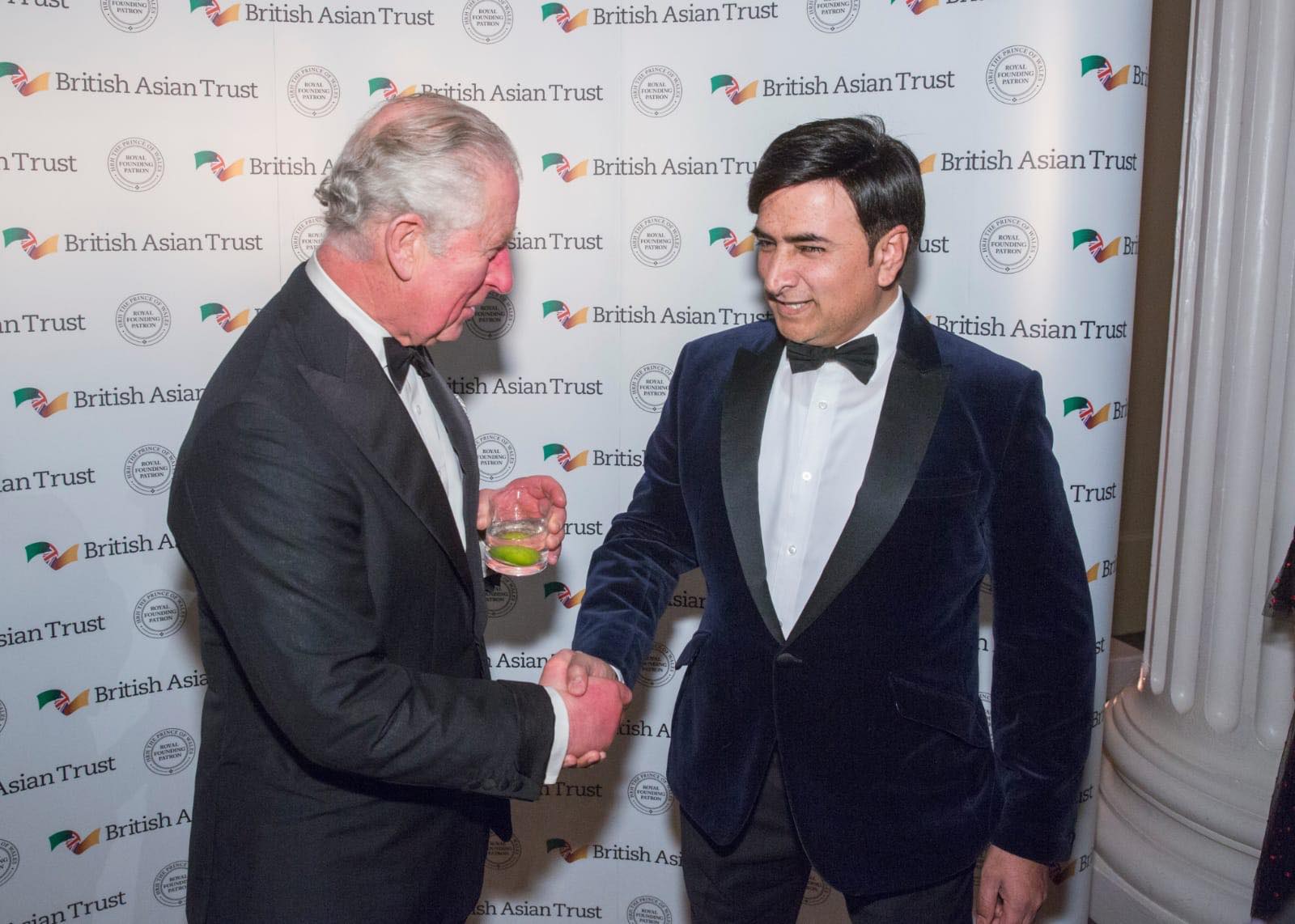
Anis also served as an Economic Senator at the European Economic Senate. Anis strongly believes in supporting social causes. Anis supports HRH Prince of Wales’s British Asian Trust. Arif has recently co-founded One Million Meals campaign to serve the NHS staff and vulnerable people facing the food crisis during the lockdown that received global recognition. He is a trustee of the world’s largest microfinance loan provider Akhuwat that has disbursed around 4 million interest-free loans (more 800 million U$D).  Anis’s initiatives have been featured at BBC, ITV, Sky, CNBC, The Telegraph, Yahoo, and many other global platforms.

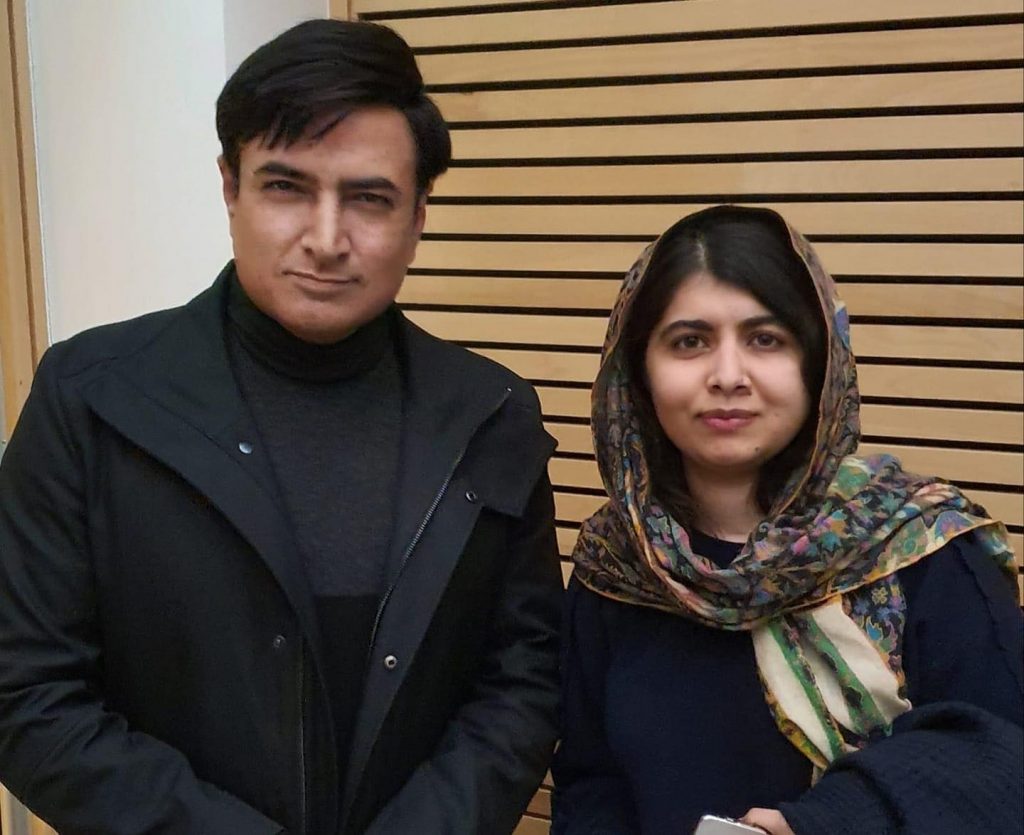
How did you feel when you were announced as a winner for the Global Man Award, 2019?

The announcement came as a huge surprise. Particularly for an immigrant in the UK who started his journey three decades back as a shepherd. Also, the nominations were awesome. The likes of Andy Harrington were nominated from the UK, and I thought I did not have much of a chance. I knew Mirela and was appreciative of her amazing work for Global Woman. However, I am also aware that sometimes awards and recognition are more about your public profile and presence. So, the nomination itself came as a surprise. When I heard of getting shortlisted among finalists, I said: “Huh, you gotta be kidding“. Winning the Global Man award in a star-studded event at Hilton was the moment of a lifetime. It was kept confidential till the last minute, so I was pretty much out of breath when my name was announced. At the same time, it was a fulfilling moment. You know when you feel acknowledged on a global stage after serving for two decades, speaking to more than a million people in 42 countries, writing books, doing charitable work – and then you get this pat on the back. It all seems worth it with a huge expression of gratitude. I won Brian Tracy ward of excellence in 2017 but being the Global Man of the year was the icing on the cake.
As a leader and successful influencer, how do you face one of the biggest challenges of the century, which is coronavirus?

Unfortunately, you are right. Coronavirus is for our century what Spanish Flu, World War I and II have been for the 20th century. Its ramifications are huge, and, in many ways, it seems, our world may not remain the same as it was when the clock struck 2020. The global Corona conflict has rammed people into trenches. Invisible, lethal, viral weapons have replaced visible whistling bullets and thunderous bombs. As we don’t know who is calling the shots, it is difficult to tell how we can call a truce with imperceptible enemies.

In my view, COVID-19 is not just a medical challenge, but a spiritual challenge too. To defeat COVID humanity need to follow the path of self-purification, compassion, nonviolence, God and Nature. This pandemic raises serious questions about the way this world has been run in the last 5-7 decades, by using greed, power, lust and obnoxious use of the privilege. This pandemic has laid bare what was already obvious, but we buried our heads in the sand like ostriches.

We have a chance to do something extraordinary. As we head out of this pandemic, we can change the world. Create a world of compassion. A world where we are kind to each other. A world where we are kind no matter what class, race, gender, what creed or the job tag we have. A world we don’t judge those at the food bank because that maybe us if things were just slightly different. Let love and kindness be our roadmap. If the world after coronavirus is not going to be a much more greener, much more environmentally friendly and much more vegetarian, much more just and equal, then human beings will deserve a much worse virus than coronavirus.

Throughout the centuries, an earthquake or a volcano or a pandemic or a tsunami shake the world. There is always a message in the shake-up. Wake up! I am sure we would get rid of coronavirus. Say, in a year, or two or three. But I fear what comes next. We go back to our routine stupidities, namely the wars, supporting the dictators, fuelling divide through extremism, voting for politicians without integrity or character, destroying the forests, killing earth’s climate etc. This is worse than the pandemic itself. I pray that we don’t resort to what life was when the clock struck 12 am on the 31st of December 1999. Let’s finally wake-up.

In my upcoming book, ‘The Big Reset‘, I have discussed these aspects in detail. The book will be released worldwide in August 2020.  I also co-authored a book “Leading in Crisis” with Qaiser Abbas that is coming out in July, focused on similar insights.

There are several types of a leader, so which one do you reckon you are? And what are the key principles that you stick to?

I must say that in the last two decades, my idea of leadership has undergone a huge transformation.  I started following charismatic leaders, but I have concluded that servant leaders are the best. A servant leader, as the name might otherwise suggest, is far from being someone who follows along blindly. In fact, some of the greatest leaders of our time embody the true definition of leaders that serve first. A servant leader is an incredibly strong figure head who focuses on serving and empowering others and leads with their team in mind.

There are principles we can stick to being a servant leader. A servant leader is one who values the views and contributions of others. They actively solicit feedback and weigh any possible decisions carefully before concluding. A servant leader believes that everyone is valuable and is deserving of trust and respect.A servant leader cares about the well-being of others and finds ways to lift their teammates up, not bring them down.Servant leaders are willing to share wisdom freely and understand that their knowledge can help others improve both personally and professionally.

They are passionate about growing other leaders others and like to think of their team or organization as a community, rather than a workplace. A servant leader can focus on more than tomorrow’s goals. They care about the future success of the organization and will adopt choices representative of that fact. Servant leaders are also tenacious. They don’t give up easily and believe that the mission of the organization is too big to let go of. Servant leaders lead with a sense of purpose that drives them to make everyone around them better. Empathy, listening, persuasion, humility, commitment, foresight and awareness – all the key principles of a servant leader.
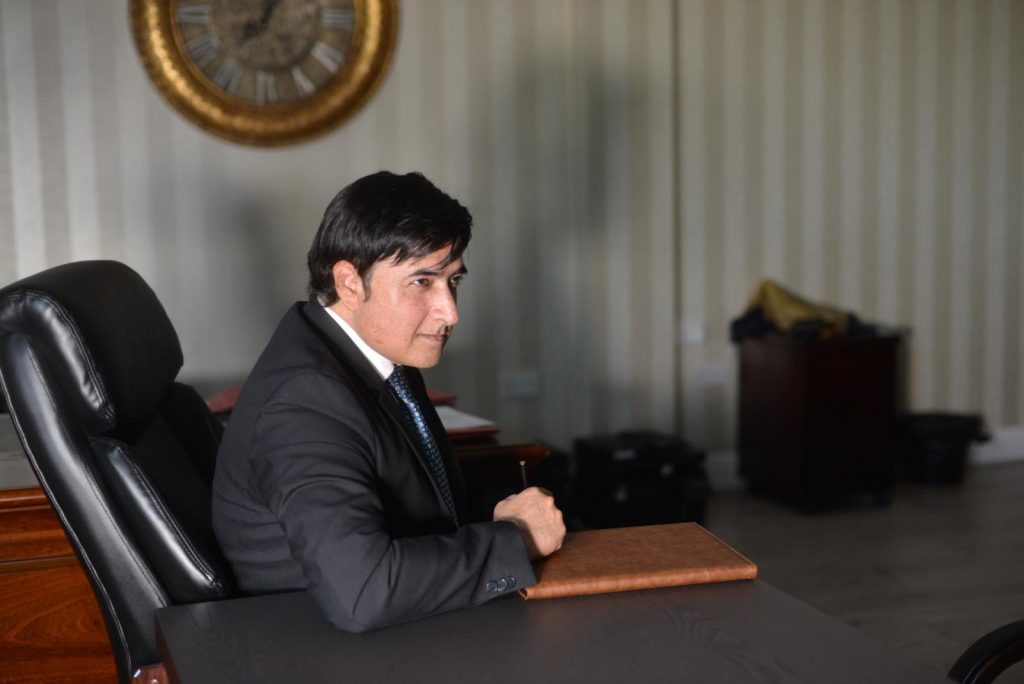
Most people have goals and aims in their life, as you have mentioned in the previous interview with Jim Hotaling that you had seven things that you wanted to achieve by the age of 35, and you did it. What are your next ambitions and “impossible” goals to concur both for yourself, as an influencer and a leader?

I think I was more like a kid in the candy shop while I was growing up. Perhaps, we all go through those phases when having a dinner with Miss World or becoming a best selling author or speaking to a crowd of 20,000 or rubbing shoulders with presidents or other ‘hot’ goals, that I shared with Jim, I had while I was in my 20s. However, the big question is ‘what is next?’ These milestones don’t attract me that much when I look back and reflect. It seems I am more invested in the ‘impossible‘ goals now. Somehow, I have woken up to the darker side of our existence, and it pains me seeing that much of hunger, inequality, and injustice. I lose my sleep on seeing the likes of George Floyd under the knees of the oppressors, losing their breath, in various parts of the world in the name of race, creed and other divisive elements.  I must make it clear that I have not given up in the human capacity of doing good, rather I am more convinced than ever that we all can make a huge difference through a concerted effort. Mentoring more than a million masterminds is also one of the crazy goals I plan to accomplish in the next ten years.

So, in the list of my ‘impossible‘ goals, now are the goals to combat hunger and provision of the level playing field. I have dedicated a good chunk of my time to Prince of Wales’s British Asian Trust, Akhuwat and One Million Meals. I am chief executive of Akhuwat Trust UK, that represents Akhuwat which is the world’s largest interest-free microfinance provider with more than 750 million U$D disbursed among more than four million people. One Million Meal is a not-for-profit, volunteer-led initiative, which was set up by me, famous food preneur Suleman Raza and Forbes’ 30 Under 30 Bilal Bin Saqib at the beginning of the COVID-19 pandemic. It aimed to serve the NHS hospital staff, keyworkers and vulnerable people impacted by the coronavirus pandemic, through fundraising, collaborations, and partnerships by involving sociopreneurs, entrepreneurs, philanthropists, charities, food industry, corporate enterprises, and local communities. The main focus of the campaign was to serve food to people in crisis beyond any division of colour, creed, race, gender or orientation. Live demand from hospitals was passed to Italian, Chinese, Indian, Pakistani, and continental restaurants in the area with good hygiene rating for delivery. In three months,  One Million Meals managed to support 203 locations (NHS trusts, hospitals, agencies, schools, food banks) across the UK, by serving 47 NHS hospitals by delivering more than 100,000 meals and nutritious drinks to doctors, nurses, paramedics, key workers on the frontline risking their lives along with homeless and vulnerable people suffering at the hands of the pandemic. As the lockdown has been lifted, now we aim to serve millions of meals through the charity in the long run. We received acknowledgements from David Beckham, Prime Minister Boris Johnson’s office and the Royalty – but the real honour has been to be able to serve itself.

Do you believe possibilities come to you just by luck or do you reckon you need to earn it? And if it is by earnings, what would your advice be on how to earn that possibility?

Well, coming from a small village Angahin Pakistan from a Godforsaken part of the world to the centre of our civilization has been a long journey. However, after coming across and working with the most influential people in the world, I discovered that the harder you work, the luckier you get. You earn it by sweat and blood, by walking out of the comfort zone, by challenging yourself and shedding your old skin and habits. It is a GRIND, my friend. Luck can be a break or a chance, but that is it. Once I conducted research and wrote an exclusive on the winners of the lottery. Found out most of them got worse in life, lost to addictions of various types and lived with fractured lives, even after winning millions of pounds or dollars. You would have your fair share of rise and fall, success and failure, applause, and curses, and no one is exempted. In my life, I have not come across anyone lucky enough not to be scarred by life. No one will come out alive, as they say. Yes, higher awareness, compassion and love are luck, and I have been lucky enough to receive them in abundance.

In your book, you have said,”Change yourself before you change the world”. Nowadays, what change the world is seeking right now, in your opinion? And what should an individual do in order to make an influence on that change?

That is a great question, and it is the heart of the matter. Somehow this pandemic, the ongoing protests of Black Lives Matter and the systemic failure of leadership all over the world make one thing clear. We gotta change. We need to acquire better habits, routines, drills, and practice. We may be comfortably living in our apartments or houses. We may not be getting affected by hunger during this time of despair. But there are so many people out there who may not have eaten a proper meal in the last few days. The turmoil caused by the COVID 19 pandemic is playing havoc in the lives of millions of people from all around the world. We are all in this together. We all can do our bit. Let’s feed the hungry and help the less fortunate among us. Together we can make this world a better place.

Recently, I have co-authored another book with my friend and best selling author Qaiser Abbas. It is titled as ‘Made in Crises‘. It should be out by September 2020. In Chinese, the character for the word crisis is made up of two symbols, danger and opportunity. A crisis is the ultimate test a leader can endure. A crisis can swiftly reveal a leader’s capabilities and strengths, but it can also expose the underlying weaknesses. The unpredictable, dramatic, and highly charged events surrounding a crisis profoundly affect the people in an organization and threaten its very existence. A crisis is a condition of instability in social, economic, political, or international affairs, leading to a decisive change. Most of us are ordinary people until a crisis finds us and gets extraordinary out of us. It is an interesting study of how various crises inspired great leadership icons and how these symbols of prominence stirred a distinct set of events. While crises do upset us and hand our existing world upside down, they do us one favour, and that is they urge us to change.

The change is obvious. We can not shut our eyes to the call now. It ‘too shall pass’ but to me matters more what remains when it passes or what comes next. We found out we don’t need guns, bombs and missiles and weapons of mass destructions. We need hospitals, doctors, nurses, ventilators, and access to immunity and healthy diet for all of us. We don’t need demagogues and jerks as leaders but humane people in the position of power. We need less of Donald Trumps but more of Jacinda Arden. We need leaders who flex compassion as a muscle instead of bullying the less fortunate. And the biggest of all, we need to change ourselves to share our meals, our fortune, our luck, our success, our stardom with the less fortunate around us. We can not build islands of arrogance and ignorance of misery. We are all in it, together! If this pandemic does not change us, nothing will. If we have been waiting for a sign. THIS IS IT!
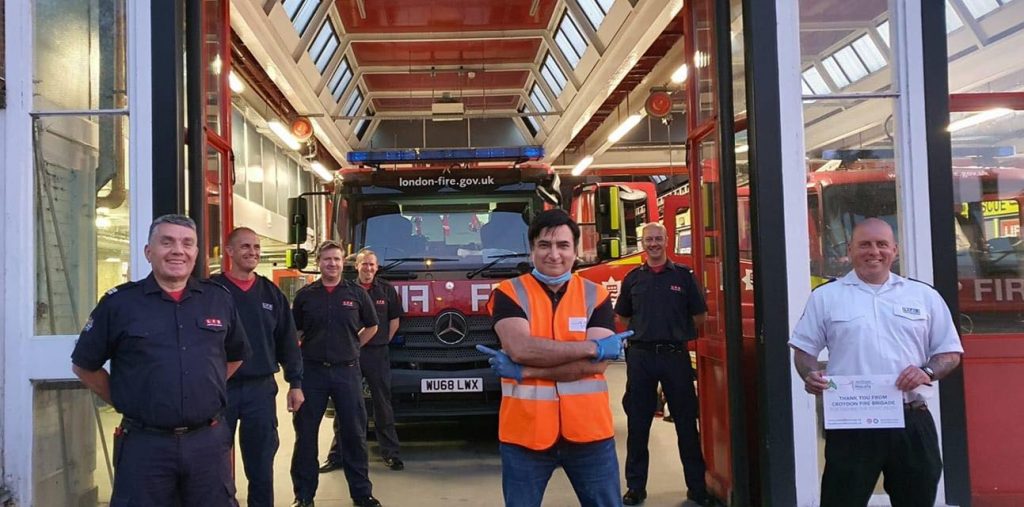

Lucas Serby – A Swedish Star in the Making

By Fatima Gorezi

He has already worked with some of biggest stars of the movie and entertainment industry of today and there’s no sign of him slowing down: Lucas Serby is a young Swedish actor, model and creative currently situated in New York City. He is a graduate of the prestigious American Academy of Dramatic Arts, the oldest acting school in the English-speaking world, and an institution that has previously been home to acclaimed alumni such as award-winning actor, director and Sundance Film Festival founder Robert Redford and Hollywood Golden Age legend, Oscar winner and Spartacus himself Kirk Douglas. Lucas was the first of his graduating class to book a part in a professional New York theater production, and has been seen on stages all around the city and on TV by millions since then. He talks to us today about what made him take the leap to pack up his things and move to a different country, what drives him as an actor and overall creative,  and what it’s like to be a part of one the fastest changing industries in the world.

So I’m very curious, what was it that made you decide to move to a completely new country to pursue your dreams? Because as I understand it, you’d never been to New York City before moving there and you didn’t know anybody there?

Yes, that’s true. You know, I was watching this TV show, Sweetbitter, on STARZ pretty recently. It’s about a girl who moves to New York City to… get away, I suppose, but at a job interview she’s asked why she decided to move there all by herself and her answer is “it’s kind of a calling, moving to New York” or something similar, but I think that that’s definitely what it was for me. It felt like a calling. I’m a big fan of Marlon Brando and James Dean and they both got started in New York, so being the romantic that I am I just thought to myself that “of course, there’s no other place to go or that I should go to”.

And bringing it back to you moving there all by yourself without knowing anybody in the city. Did that scare you?

You know what, it didn’t at all. Looking back at it now I feel like I should’ve been absolutely terrified, because New York City is huge and it was a completely new city to me at the time, and that would have been the normal reaction. But I wasn’t. It just felt right to me, like it was meant to be.

Also, my first night there I was staying at a hotel right around the corner from where I was going to go to school, and this was right in the middle of New York Fashion Week so there was a lot of models staying at that same hotel and I got to talking to one of the girls outside, and she asked me what I was doing there, if I was there for Fashion Week and so on. So I told her that I was from Sweden and had just moved there to pursue acting, and after a bit of talking she told me that she wouldn’t mind introducing me to her manager and she gives me her email address and asks me to send her a picture to forward it to him. So I do, and I get a response from the manager basically saying that he thinks I look like James Dean and that we should work together. Nothing really came of it in the end, but I always took it as a sign that I had made the right choice.

Obviously acting is a big part of your life, what was it that made you want to pursue it?

Well, I started working as an actor professionally in Sweden in my early twenties, but I’d say my relationship with acting goes back way beyond that. If somebody were to ask me about my first love, my answer would always be “movies”. Movies have always been a big, big part of my life for so many reasons, for example one of them being my mom who used to be a movie critic when I was growing up, so I had the privilege of getting to watch a lot of films, many of which that hadn’t even been released yet, so I was very lucky. That definitely fueled my interest. I also had a very vivid imagination as a kid, and I loved to reenact scenes from my favorite films, for instance, one of my earliest childhood memories is pretending to be Simba from the Lion King in pre-school.

A good quote that sums it up, I think, is from an older video I saw of Heath Ledger, another actor that I really look up to, may he rest in peace.

His agent asks him: “So how long have you been acting?”

Heath replies “About… 20 years.”

Steve, his agent, notably confused goes “How old are you?”

“20.”

I always liked that one.

You say you started acting professionally in your early twenties, what made you decide that it was time to really get into it, so to speak?

It had always been there in the back of my head. Always. But life is life, and things happen, and after school I found myself working in an office, unsure of… Well, unsure of a lot of things in general really. But I was lucky. Incredibly lucky even. At the office where I was working we were an incredibly tight-knit group of people, and the CEO and Founder, who is still one of my closest friends today and like an older brother to me, taught me that I was good enough at a time where I really needed to hear that. It really taught me the value of having a supportive group of friends and the importance of surrounding yourself with people that inspire you and always want what’s best for you. So I just want to give a shout-out to Aria Asgari, I love you brother.

So anyway, I think I just realized at one point that I wasn’t supposed to be working in an office for the rest of my life, and, as cliché as it sounds, realized that you only have one shot at life so you might as well take the chance and pursue what it is that you really want to do.

Tell me a little bit about how it is working as an actor professionally in New York and Sweden respectively. What have your experiences been like?

They’re obviously two very different places! But starting from the beginning, I started off in Sweden with not a lot of experience except for a couple of amateur shows, so at first I had no clue what I was doing. I had a few small parts here and there and worked as an extra for a bit, and then it started to finally feel like it was going well when I got a part in the Swedish comedy TV show Jävla Klåpare which aired for a season in 2016. But I quickly realized that as somebody who didn’t have an education as an actor and with very few contacts, Sweden did not have a lot of opportunities, which is why I started looking into moving to the US, which had really always been the plan.

New York City on the other hand is a crazy place. There are so many opportunities, and there’s so much going on, and I’ve been lucky to have met some great people there who have really taken a chance on me. It made me realize that it’s all about who you know. You can have a lot of credits on your resume and a fancy education, but what really matters is if people want to work with you, as a person. We’re also at a point right now where there’s a big shift happening in the entertainment industry, and being in New York City when all of this is going on, you just kind of feel that you’re in the middle of it all, and it’s very exciting.

So tell me about your work in New York, what have you been up to since you started working over there?

I actually started booking jobs even before graduating. I was very eager to start working, and I started going on auditions during the time that the school set up so-called “mock auditions” for us to practice for the real thing. So I’d be in school going on a fake audition, and right after I’d have to leave because I had to attend a real one. It was a very interesting experience.

The first job that I booked was a full rendition of Shakespeare’s The Winter’s Tale with the absolutely fantastic theater company Classics on the Rocks. It was about 3 hours and 30 minutes long, and it was amazing. It was just a great thing to work on right after school because everybody was just so passionate about the work, just like it should be. It’s definitely still one of my favorite productions that I’ve been a part of to this day.

Other highlights include playing Sid Wells on the Investigation Discovery show In Pursuit with John Walsh in an episode that premiered to 1,36 million viewers, and of course working with the Scandinavian American Theater Company. I got to play the part of Jonte in a production of the extremely talented Tanja Lorentzon’s play The Courtyard. I got to work with some brilliant people and the play was seen by a couple of actors that I really admire.

Currently I’m promoting a film called Dead Air which I’m really excited to be a part of. It’s kind of an homage to 80’s horror movies and rock music and it’s a lot of fun. It’ll be playing at several different film festivals this year so I’m really excited about that.

And you’ve also been working as a model over there?

Yes, I’ve been fortunate enough to see what that industry’s like as well. Acting and modeling are similar in a way, but very different in another. They’re both a lot of fun, and I’ve had the privilege to see these big fashion events up close, working with brands such as Louis Vuitton and Ralph Lauren. I hope to do more of that in the future as well.

Finally, you’ve already achieved a lot in such a short amount of time, what is the source of your drive and motivation?

Honestly, I think that, to me, the entertainment industry is one of the most important industries around. What we get to do is to tell and share stories that need to be told, and it’s just such an honor to me that I get to do that for a living. If I can have an impact on just one person’s life through the work that I do on stage or on screen, then it would have all been worth it in the end for me.

Lucas can currently be seen in Dead Air which premieres July 27th at the Peekskill Film Festival.

Soft Words on Hard Days- Strengthen Your Team

By Keith Martino

Charlene’s always a step ahead.

Across the crowded Dallas Metroplex, corporate cowboys and print shop tabloids alike regale her as the reigning champ. For good reason! In a rough and tumble industry like commercial printing, Charlene makes difficult decisions daily. She hurdles declining margins. And she seldom flinches under financial duress. She is amazingly resilient.

Technology obsolescence is a constant threat in Charlene’s world. To make matters worse, upstart competitors constantly circle her customer base like a pack of wolves at feeding time. Clients demand more for less. Yet Charlene remains committed to providing a premium quality service at a profitable price. She refuses to knuckle under. Technology traps and pesky competitors are merely external irritants that she will always be engaging.

But when Charlene’s management team gets crossways with one another, that’s a different matter entirely. If peers begin to question each other in an overtly aggressive manner, and life gets too tense too fast, that’s when Charlene calls timeout. She realizes some level of dissonance between departments is normal. But she also knows that too much employee conflict within the four walls of her spacious facility can be a fatal blow. She is instinctively in tune with the temperature of her in-house climate. She sets the mood. She monitors any mischief.

And Charlene understood the escalating labor issues she observed one recent Monday morning couldn’t be tolerated. Open antagonism certainly wasn’t going to create camaraderie or gain positive momentum in her shop. Not on Charlene’s watch! Tossing in the towel isn’t her style. She is a seasoned strategist and she responded with swift resolve and determination. In fact, her recent tactical move caught everyone (even her closest confidants) off guard. She picked up the phone and made an unexpected call. She tapped a resource no one supposed she had cultivated. We answered on the second ring.

Charlene invited us to come in and interview her senior team. Her mantra, “No topic is off-the-table!” She asked us to help quell the storm and objectively identify the rabble rousers. She realized her proximity to and appreciation for certain long term employees made it difficult for her to seem impartial. And she wanted the facts not the fables.

Charlene also wanted to ensure her executives had the tools to extinguish future forest fires before they became catastrophic. It had been a while since they had received training.

So how did we help Charlene combat the combative mood? It was a three step process.

1.We probed past the easy alibis to understand the super sensitive issues.

2.We repeatedly raised the topics that senior executives didn’t want to confront.

3.Charlene took action on our findings. Fast!

Charlene had the political will to fix whatever department(s) needed repair. She had the relationships it required to apply the appropriate pressure in just the right spots. She simply wanted a fresh set of eyes to see beyond steeped perceptions and active landmines. And she needed someone with unbiased ears to listen with empathy to employees who were deep in the heart of her team.

Don’t Let Petty Differences Crush Your Corporate Values

It’s often difficult to distinguish between the political ambitions of certain employees and the real business requirements.

Remember… Those who talk most often don’t know. Those who know often won’t talk.

Getting past the road noise and listening to the hum of your automobile engine is a skill that your trusted auto mechanic must possess. Sometimes it’s equally valuable to bring in a trusted advisor to hear from your team. It neutralizes politics and shows you want the truth.

Once you have successfully developed the right set of values to underpin the foundation of your culture, you must be relentless in the pursuit of excellence. Get your employees up to speed on how to connect the values on your wall plaque with their daily behavior. Reward success.

Charlene’s determination to maximize the impact of her consulting investment to stabilize her company’s culture made it possible to turn her situation around quickly. Her proactive commitment to stay a step ahead of troublesome problems continues to serve her well. It’s been our experience that effective women entrepreneurs have a distinct sensitivity when it comes to building a bond with their often male dominated executive teams. Successful women often notice broken relationships first.

And in tough times the most potent women business owners hold the ace of spades. Their use of soft words rebuilds the confidence of their team. Differences in key departmental interactions get recalibrated. Stated differently, women often sense the pain and relate best to those injured unnecessarily. They also recognize the crucial nature of maintaining healthy alliances.

Never forget… When peers begin to question one another in an overtly aggressive manner and relationships get too tense too fast, that’s when Charlene calls timeout. How about you? As CEO, instinctively measure the temperature of your climate. You set the mood. You are the Empathizer in Chief.

No one does it better!


Keith Martino, author of Expect Leadership

Martino is head of CMI, a global consultancy founded in 1999 that customizes leadership and sales development initiatives. Martino is the author of Expect Leadership, a series of four leadership books –The Executive Edition, in Business, in Engineering, and in Technology.  After more than 20 years and numerous awards at FedEx, Xerox and Baxter Healthcare, Martino and his team were recently featured in an article published by Women in Technology International.


Skip Archimedes – ‘How positive psychology is influencing wellness coaching’

By Fati Gorezi

Skip Archimedes is a ‘Transformational Coach’ and internationally acclaimed Speaker and Author, dedicating his life to helping people overcome the physical, financial, personal, nutritional, emotional and spiritual problems in their lives to become the best they can be. His mission is to bring back energy, positivity, achievement, health and vitality into the lives of those who have lost that focus along the way. He says that we should all be living healthy, vibrant, fulfilled lives up to and beyond the age of 100 and improving all the way.

What are a few of your success stories regarding your journey as an entrepreneur?

The first one I remember clearly like it was yesterday, was an idea I came up with at school and came very close to being expelled. I had a very simple idea of selling 50 numbers from 1 to 50 for £1 each totalling £50. I would then draw 3 numbers after I had sold all 50 numbers and the 1st prize was £15, 2nd prize was £10 and 3rd Prize was £5 and I would keep £20. Without knowing any of this was wrong I ran this for many months and everyone including myself loved it. Even though I was totally innocent I was introducing gambling to the school. When the teachers found out I got called in to see the Head of the school and I was told I was going to be expelled from school for the behaviour of encouraging people to gamble. It was only when my step-dad spoke up saying that I had showed great signs of an entrepeneur by not lying to anyone and actually generating an income through initiative. They spoke for some time and it was agreed that if I stopped my little lottery then I wouldn’t get kicked out of school. This hooked me into making things happen and spotting and creating opportunities.

After being told I would never walk again, I learnt from Bruce Lee about activating the Mind, Body and Spirit and getting in tune with universal energy. When anyone does this, the most phenomenal things start to happen in their lives simply because all resistance is gone and flow states emerge. I went back to gymnastics and won the English ‘Sports Acrobatics’ championships. I then got approached by an agent who said I had a very commercial look and would be great for doing acrobatics in TV commercials, pop videos and for live shows etc. I soon landed my first TV commercial and got paid £10,000 for a single day of filming which I loved because I had never earned that amount of money in that short time before and this was over 20 years ago. What I soon realised was that I started getting creative with ideas for things that I could do in shows and for filming that no one else had thought of. I spoke to the clients to find out what they were looking for and then I started making suggestions whilst on set for ideas that I thought would add more value. The response was amazing and soon I started to be the ‘go to’ guy for bringing acrobatics into different environments and I ended up working with incredible companies like ‘The Royal Opera House’, ‘X-factor’, many TV commercials and pop videos, Lord Andrew Lloyd Webber, ‘The Royal Albert Hall’ and artists/bands that would fill stadiums. Basically, I would come up with ideas for adding a flavour of acrobatics into the mix. This was before ‘Cirque Du Soleil’ became popular – so basically I was in the right place at the time with the right talent and creative ideas and I loved it because each contract was a different adventure. And, as far as the business side went, I could literally charge what I liked because no-one else was doing what I was doing – so for a short period I had an open market which was great.

While all this was growing, I started to come up with my own stage show ideas and soon ended up owning and producing shows and sending these shows out on tours all across Europe. One that became very popular was an explosive and dynamic show that involved dancing, acrobatics, fire, stunts, great showmanship and this particular show was a male cast only and was produced for female audiences so we added the element of tease into the production which made it a very unique type of show. I had no clue that this was going to explode, driving audiences crazy all over Europe. I ended up with 16 guys working for me and we would do sell-out theatres with audiences from a few hundred to thousands of women at each event. No one before had produced such a show and we literally dominated the European market and had lots of copy cat groups pop up. But we were known as the industry leaders. It was a great way to see many countries, meet so many great people and I soon found that travelling was becoming one of my best teachers because I learnt that there are so many different belief systems and some serve and some don’t. I feel blessed to have had that chapter because not only did we have lots of fun with so many celebrations, there was millions of pounds made – which is always great.

Since then I invested some of the money I made and owned different businesses, but found that the ones I always did best in were the ones I had passion and drive for that served a specific need. The businesses that really make positive changes in peoples lives are the one’s where that sense of fulfilment really shows up because in my mind, success without fulfilment simply equals failure.

I have faced many challenges, as we all do, but learnt how to turn my challenges into my blessings. I got asked to share these techniques with others and before I knew it I started public speaking to share these life changing nuggets with more people. I then started running my own live events, workshops and retreats around the world. I could see that the processes and experiences I started taking people through were helping people to transform on so many levels. I had never experienced this before and I found it so humbling to be able to assist in improving the quality of people’s lives through these powerful teachings.

I care deeply about doing my part in helping to create a better world, plus I had a real hunger for serving at the highest levels. It became apparent very quickly that a lot people were, and still are, feeding their minds and bodies with things that are draining them of energy and having detrimental effects on them.

I also started to learn the truth about truly nourishing the body and mind – and found that we have drained essential minerals from our soils on a global level. For example, our fruits and vegetables only contain 5-20% of the nutritional value compared to 100 years ago. Natural food is simply a shuttle system to be able to get the nutrients in the food into your body. If the minerals are no longer in the soils then how do they get into our bodies? The answer is – they don’t! This quote got me doing my research: “You can trace every, disease, every sickness and every ailment to a mineral deficiency” – Dr Linus Pauling. This amazing gentleman is a 2 X Nobel Prize winner which, in itself, is pretty remarkable.  I didn’t find anyone who contested what he said and through my deep intensive research I soon realised that eating healthy wasn’t enough in todays world if you want to really get the most from your mind, body and life. I knew supplementation was needed, so I looked into that world and continued my research.

I couldn’t believe that all the supplements and superfoods I found weren’t at the standard I would be satisfied with putting into my own body. This, to me, was shocking because these were being sold as health products but were actually doing people more harm than good long term. I ended up starting my own line of ‘Superfoods’ and didn’t put in any bulking agents, fillers or sweeteners and only used the highest quality of ingredients – and also ‘no cheat’ farming techniques. If people knew what was going on behind closed doors and what the harmful effects are of so many supplements I think people would be seriously shocked because the industry isn’t regulated yet.

My strategy was to create the most effective superfoods available that would serve the human body and mind at the highest levels. I knew this would not satisfy a lot of people’s sweet palettes for taste and thus would potentially put off sales. Not a good plan for a business! However, I was looking at this from the angle of simply serving the human body and mind with superfoods and nutrients at higher levels than what was already available. I had to let people know that “It tastes so bad, that you know it’s good for you!”.

Ironically, serving at that level, people really starting noticing a difference in the way they looked and felt and then – as their taste buds started changing – they actually started liking the taste which was great. It’s funny that when you eat and drink things that don’t serve you, you get addicted to those things. And the things that are actually good for you don’t taste good. So many people are out of balance because of poor dietary choices and unfortunately for them, they are suffering for it.

To be able to produce these superfoods that are helping people every time they ingest them is something I’m super proud of. I could have sold out and used cheaper ingredients and cheat farming methods that so many brands use to simply earn more profit. However my motivation was in producing something that was of the highest quality available. I never wanted my name or face on the Superfoods but all the experts around me said that people don’t buy into brands today as much as they buy into people. It was said that I’m a living breathing version of someone who has daily demands and responsibilities at high levels. I’m doing business all over the world and travel all the time in and out of different time zones so I need to be on my game consistently. I’m running and working on so many projects and need to have constant clarity, focus and to take actions so that we continue to grow and serve more people. It didn’t make sense from a business point of view to have my name and face on these superfoods but it felt like the right thing to do – to be a living example that these superfoods serve those with a busy lifestyle. They want to be sure that their body and mind can still be nourished at the highest of levels on a daily basis.  For me these superfoods are the building blocks that help me to recover, detox, nourish, revive, recharge and energise so that I don’t just survive but I really thrive. And that’s what these do for others who use them too, which of course is a great thing.

Tell me a bit about your professional background?

I never had any formal training in business which I’ve found does have it’s advantages – because today things are moving so fast. I was lucky because I owned my own Companies so always had the mindset of serving at that level. All the responsibility ultimately ended up on me – so I would always have to figure things out to make things work. Of course I made lots of mistakes, and usually we learn the most when we know what doesn’t work, so we can learn to do what works. I’d like to think I’m a fast learner and learn from my mistakes. Its important to move on and to keep adding as much value as you can. I’ve found myself doing all sorts of tasks and jobs and as long as I bring a good vibe to the table I seem to find the needed solutions always presented themselves at the right times. I have been really fortunate to have had so many great CEO’s, Managers, Business owners and Celebrities that include movie stars, pop stars and one of the Dragons from the TV show ‘Dragons Den’. They all say that my teachings have had the most profound impacts on their lives which is always very nice and humbling to hear.

What inspires you in everyday life?

I now find that the simple things in life inspire me; like nourishing my mind and body with great nutrition, moving my body in fun ways, getting out in nature, meditating to help let go of what isn’t serving me and reconnecting to what will serve; creating and building great relationships and basically living what I teach. Plus, I enjoy working with teams on common visions. I’m sure you’ve heard this: “teamwork makes the dreamwork”. I love feeling those goose bumps all over my body and this is a sign for me that we are on the right path with something and I feel blessed because these always happen multiple times throughout each day. In short, for me its all about helping to raise consciousness and to bring about more awareness to people’s lives so that they can truly live their dreams.

‘’Living Forever Young ‘’? Is this possible?

A massive ‘YES’ jumps out of me to answer that. Firstly I’m living proof because, at 45 years old, I literally feel better today than I did in my 20’s. As well as teaching this amazing lifestyle to people all over the world, the person I’m most proud of is my mother. She was overweight, in and out of hospital with many operations, had high cholesterol, low blood pressure, arthritis, a cupboard full of pharmaceutical drugs and couldn’t walk from one side of the room to the other without being in serious pain. She came to one of my retreats and afterwards lost 28 pounds in body fat and started ‘Living Forever Young’ and continues to do so today. She only started when she was nearly 70 years old and has turned into someone who is hungry for life again. She is a living example that it’s never too late because she now does yoga most days, swims about 100 lengths when she swims, and is more active now than she was 10 years ago.

In the last few years my mum has travelled all over the world for different adventures which she never thought was possible at one point. To see those positive shifts in someone whom I care deeply about and having nothing but love and admiration for is one of the best gifts ever – because she has added another 30 years onto her life and she gets to enjoy the freedom we all deserve. Of course this works especially great for business people because we must learn how to override the stresses of the corporate world and be in a position to add great value BUT the first person we need to learn add value to is ourselves.

What is the formula to ‘Living Forever Young’?

Unfortunately it isn’t something I can write in a single paragraph because its combination of many elements working in harmony with each other but the formula is contained within my book ‘Living Forever Young’ and the secrets can only be uncovered when you actually apply to them to your daily life. This book is a game changer because nothing tastes as good as ‘Living Forever Young’ feels. You basically handle all forms of stress better and lock into a way of living where you thrive in every environment because your mind and body function better – and the side effects are more productivity whilst looking and feeling better, which we all need more of.

What is your greatest strength?

One thing that many people comment on is my everlasting energy. And we need energy for everything in our personal and business life, otherwise things can get on top of us and once the stress takes over (whether its physical, emotional, financial, mental or nutritional) it’s game over for thriving. Along with having this abundance of energy I’ve found that keeping a child-like (not childish) spirit, keeps me learning new things everyday. Some may say I should grow up, but children learn faster than most adults. They seem to naturally have more natural joy and wonder plus they have more energy. They speak more truth and they are now teaching the elders new things because of technology. It’s so important to be able to learn fast in todays society otherwise you can get left behind and by keeping some of the powerful traits that children have, I think it adds more strength and wonder to one’s life. Plus you dream bigger, and, as an adult, you then get to enjoy making those dreams come true.

What is special about your lifestyle?

I simply live what I teach and that means everyday I get to do things I love and am passionate about. Every month I’m in pretty much in a different country and time zone so I get to see so many beautiful places around our amazing planet with amazing people which I’m very grateful for. Whilst on my travels and adventures I always make sure that I have lots of fun creating as many memorable and magic moments as possible whilst serving. There was a time when I never dreamed this was possible – but I’m living proof that this lifestyle works on so many levels.

How are the current innovations happening in positive psychology influencing wellness coaching?

Anything positive is always a good thing and there are many coaches all using different techniques to help their clients. I personally feel that if you’re going to take on responsibility to coach someone then you need to have a high level of understanding psychology in depth – otherwise you simply won’t be able to serve at levels that really help the client to breakthrough their challenges. Taking a holistic approach to the study of human strengths can only be a good thing because all the successful people I meet seem to create positivity and find strength from that.

In your opinion what is the mindset that new entrepreneurs require in order to actually succeed in a digital world?

I actually think that the mindset needs to direct all entrepreneurs so that they never sacrifice their own health for their wealth. In my seven week online programme called ‘Connect NOW’ (for Limitless Empowerment) I teach entrepreneurs how to activate themselves and to create the right balance so that the body, the mind and spirit can all function at higher levels which will help produce better results. You’ve heard the saying, “use it or lose it” and the same goes with your mind, your body and your spirit. So many people then take action but in the wrong direction which then does them more harm than good.

If you don’t use your mind, body and spirit correctly and consistently, they won’t function well and you may even risk things shutting down on yourself which could be disastrous for yourself and your loved ones. Through the seven week journey on ‘Connect NOW’ you simply use the activations for your mind-body-spirit and let the force of life start working through you. This plugs you into life where you have more balance, more alignment, more energy, more creative solutions and a lot more fun – even if, at present, you have a busy and stressful lifestyle. The reason this is essential is so that we spend time away from things that are digital to work on ourselves – so that when we do use technology we learn to use it efficiently and productively. This, I actually think, is something very important to address because technology is only going to keep evolving. But we, as humans, must unplug from the addictions that can cause the body, mind or spirit to suffer. Learn how to activate your body, learn how to properly activate your mind and learn how to open up – so that life, universal intelligence, source energy – call it what you will – can pulse through you at these high levels. Then you’ll want more and more because this is life at its best – and ‘Connect NOW’ assists in giving people this. This entire programme is actually digital but it does teach you how to go inside to find the answers you seek whilst helping you to create the body you’re proud of inside and out. The only thing that is with you from the day you’re born to the day you pass is your mind and body and this will teach you what most people never get to learn in their lifetime. The digital age is one that I think is serving humanity and business well in general, because ultimately it allows more truth to be shared. Ignorance isn’t bliss in today’s world so learn what you can from the digital world because it is great. But you must also learn how to unplug from it too.

I would like to gift a place on my ‘Connect NOW’ for Limitless Empowerment by sponsoring someone. Simply send me a private message on facebook explaining why I should gift you this seven week journey where your mind, your body and your spirit will be activated within you, so that you function as the best version of yourself. I look forward to seeing why I should select you for this life changing experience. You must be committed to your greatness and committed to serving yourself and others at higher levels. This will have so many positive impacts on your business because you will become a better leader. I believe we need more honest and authentic leaders in our world today and it would be my pleasure to assist you on that journey.

Do you have a favourite quote regarding business/entrepreneurialism that you would like to share with the readers?

“As soon as something stops being fun, I think it’s time to move on. Life is too short to be unhappy. Waking up stressed and miserable is not a good way to live” – Richard Branson.